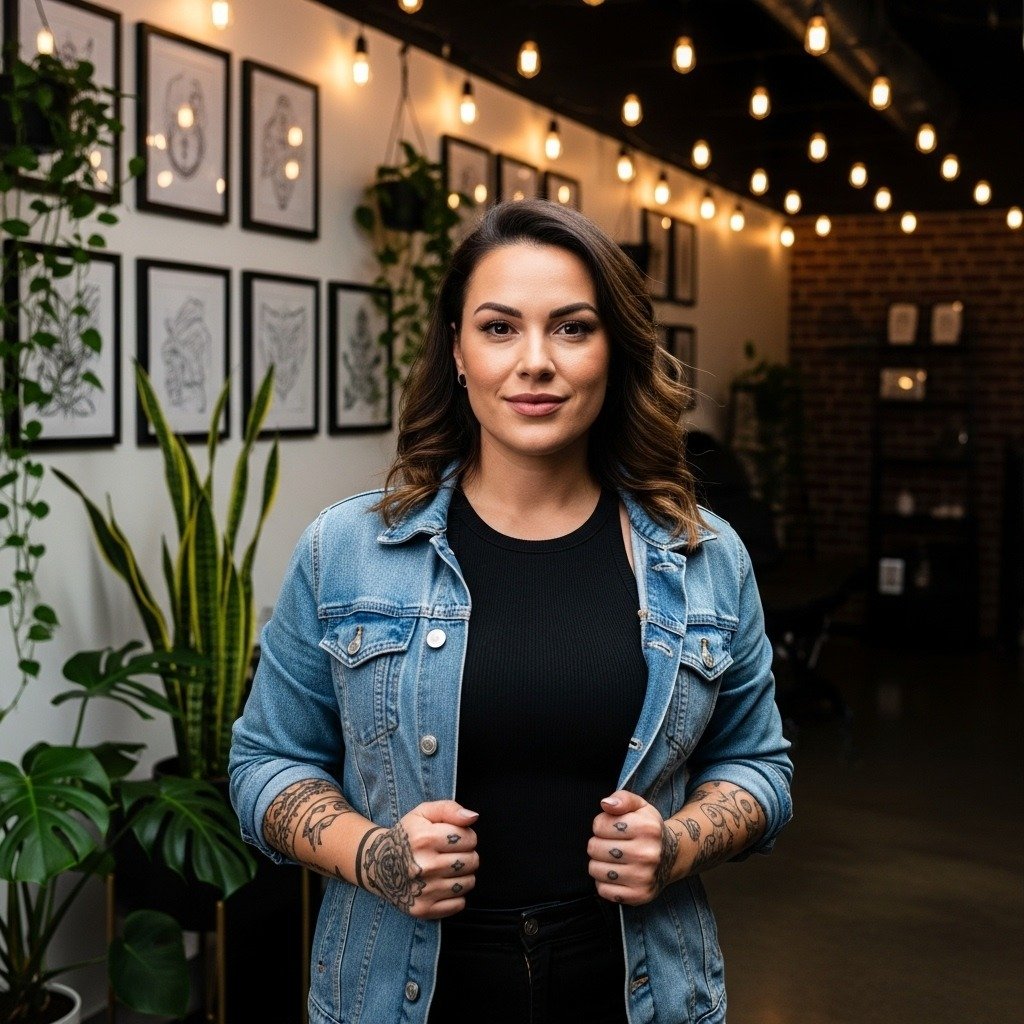
I spent months saving designs before I picked my first birth year tattoo. The real problem for me was not choosing a number. It was picking a style that still looked sharp after a year. These 22 ideas are what I kept returning to, the ones that age well and feel intentional on the body.
This list focuses on birth year tattoos in fine line, traditional, blackwork, and micro-realism. I recommend placements from wrist to ribcage. From what I've gathered, artists in 2026 favor clean numerals, integrated symbols, and placements that respect natural movement.
1. Fine Line Birth Year on Inner Forearm
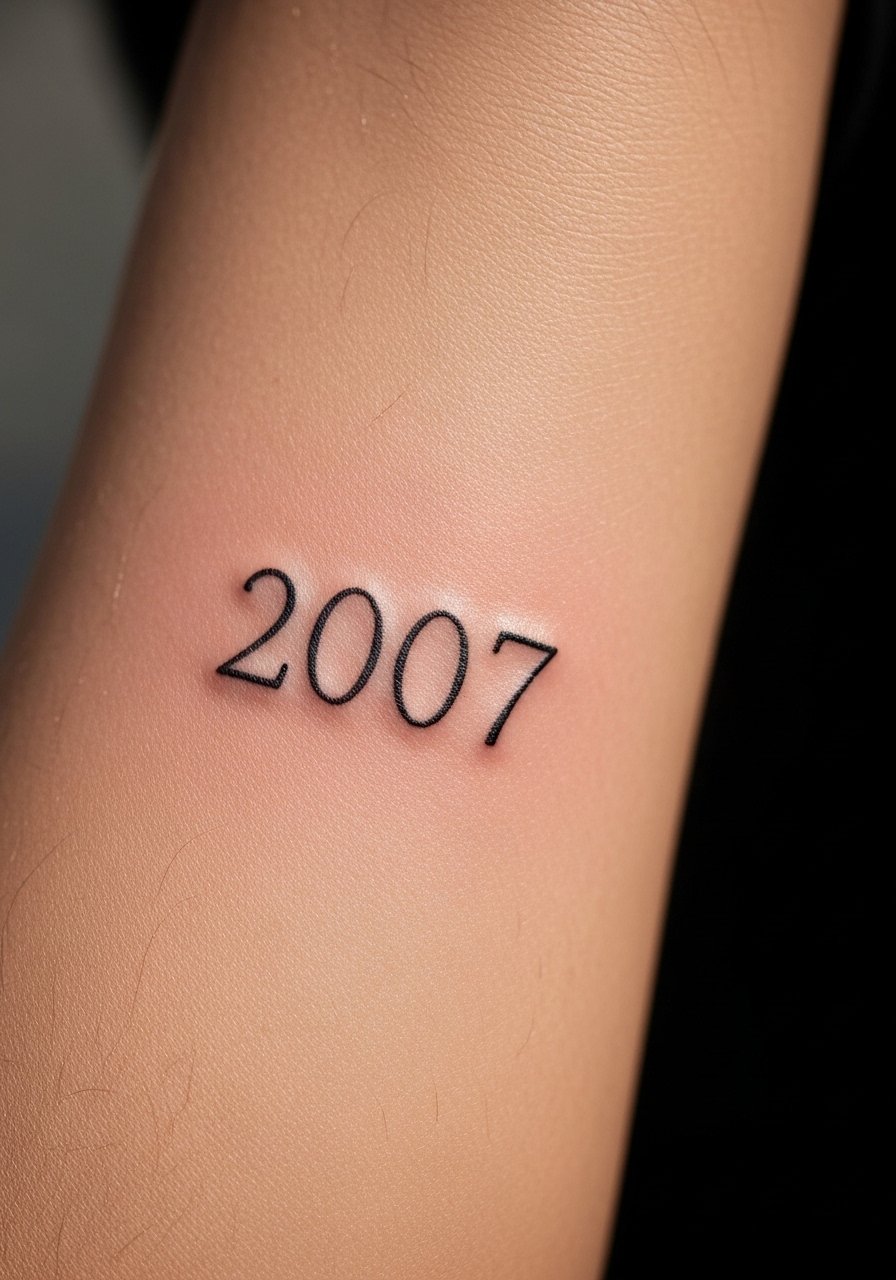
I first saw this on a friend and wanted the same understated vibe. Fine line numerals read crisp at first. Expect a low to moderate pain level on the inner forearm. Sessions are short, often one small appointment under 45 minutes. Tell your artist you want a single consistent line weight and small gaps between numbers so lines do not bleed together. From what I've seen, fine line digits blur faster if they are packed too tightly. Give lines room. Heals in about two to three weeks, but expect slight softening at six months. Common mistake is asking for ultra-tiny numbers on thin skin. That will become unreadable in a few years.
2. Roman Numerals in Traditional Bold on Upper Arm
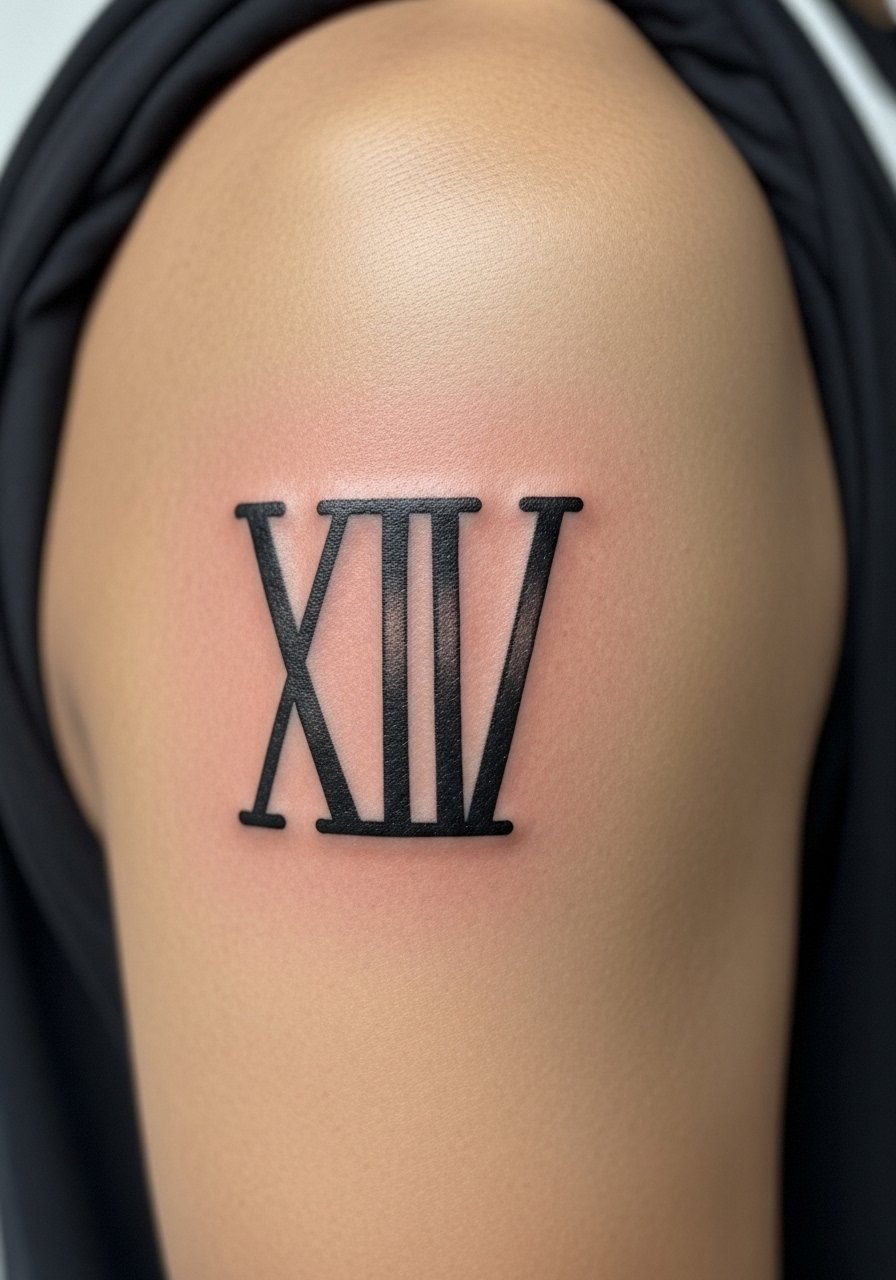
Fair warning, bold blackwork stays visible from across a room. I picked this for visibility and longevity. Traditional thick lines handle sun and time well. Upper arm pain is mild. Session time varies, but most of these are done in under an hour. Ask your artist to space the numerals and use solid black rather than heavy shading next to the digits. A mistake I see is adding tiny filigree that looks tired after a year. Over decades, the solid black keeps the roman numerals readable and clean.
3. Micro-Realism Birth Year with Tiny Portrait Accent on Clavicle
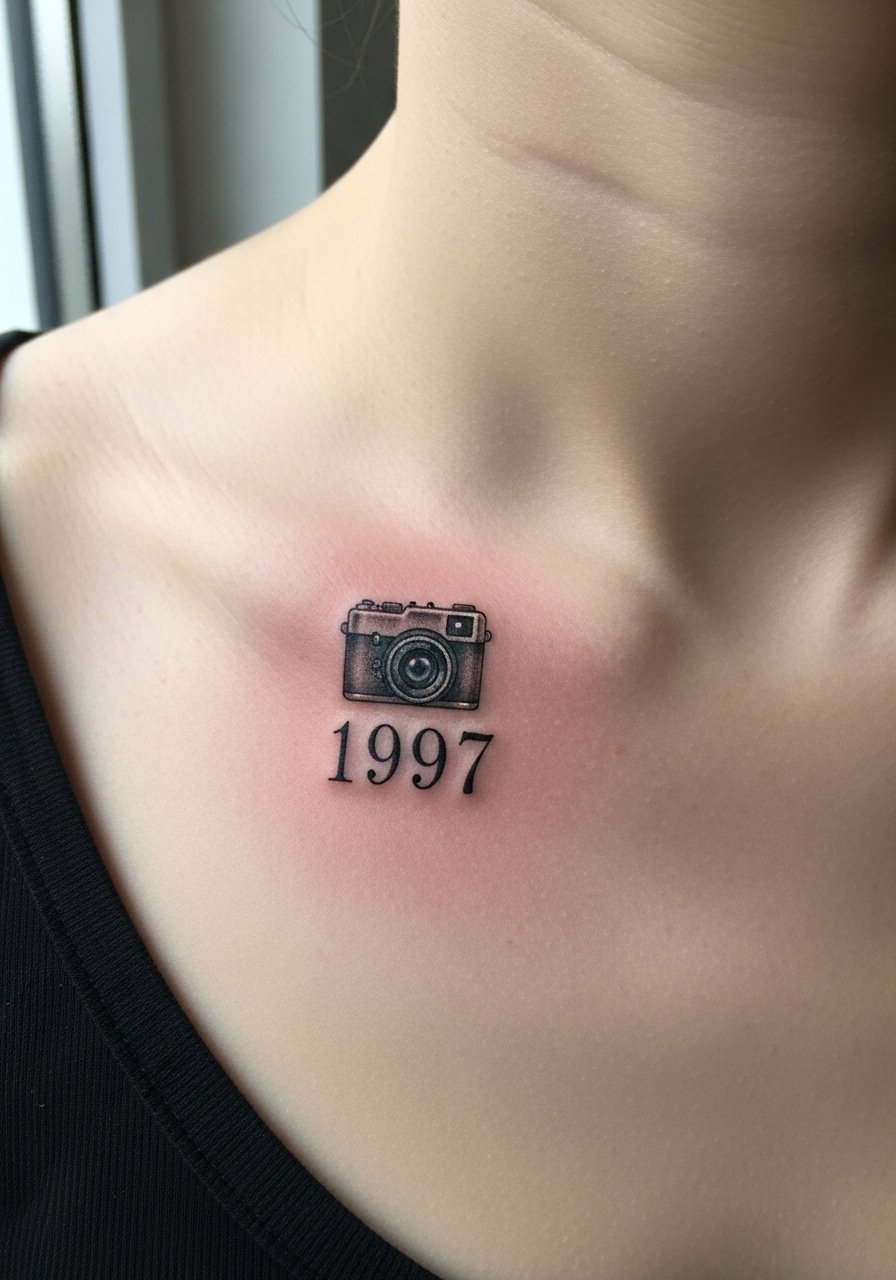
I noticed micro-realism paired with numbers on clavicles in artist portfolios. Clavicle is more painful, closer to a 6 or 7 for most people. Session time usually runs 60 to 90 minutes when you add a tiny portrait or symbol. Ask the artist for a test patch of line weight near the clavicle during consultation. Many clients pick too-small portraits that diffuse after two years. If you want longevity, keep the portrait slightly larger and the year in a clean, slightly bolder weight. Heals a bit slowly because clothing rubs that area. Expect scabbing days one to seven.
Mad Rabbit Tattoo Balm, 1.7 oz is something I reach for after the initial ointment stage. I find it keeps micro-detail looking crisp in the first year.
4. Minimalist Single-Line Birth Year Behind Ear
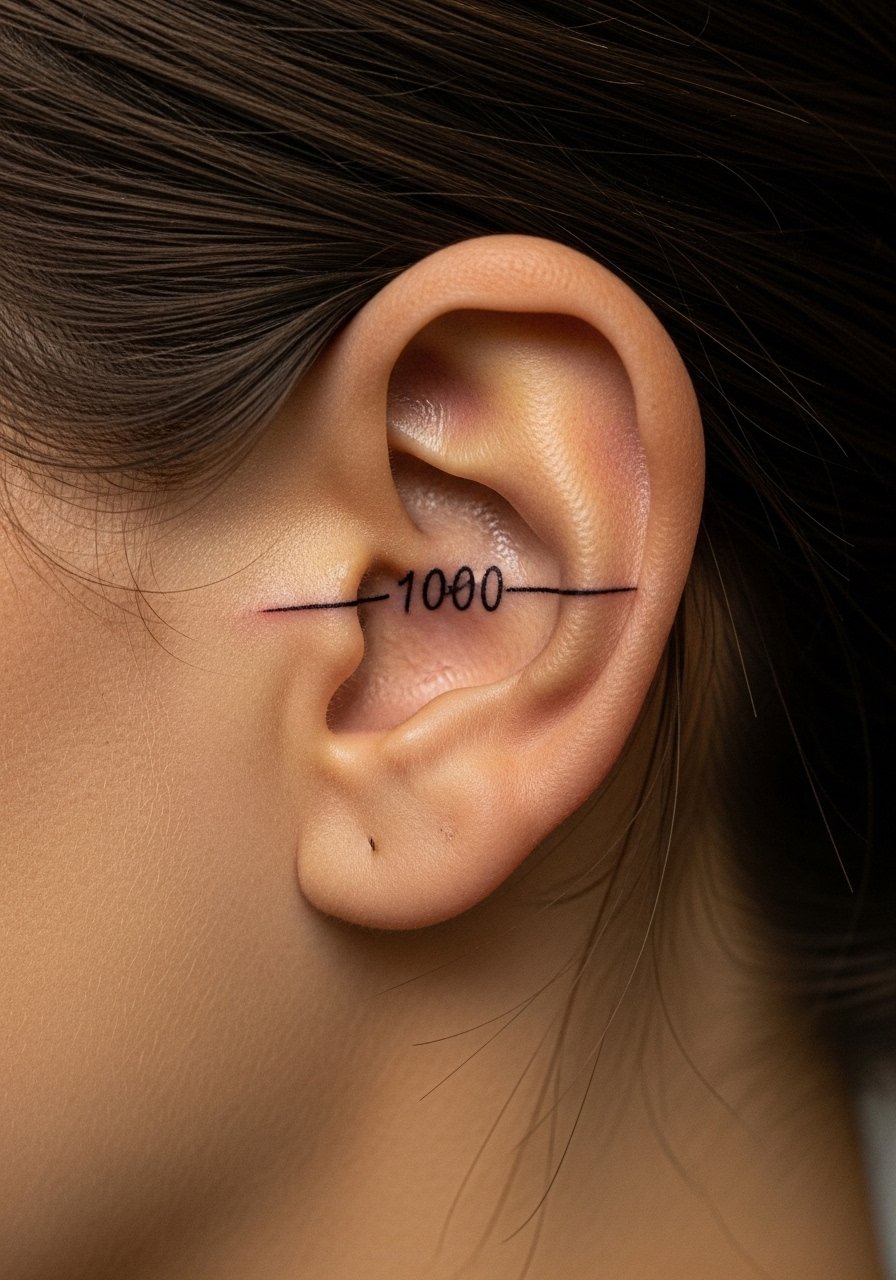
The behind-ear placement is quiet and discrete. Pain is sharp but short because the area is tiny. Sessions are often under 20 minutes. When I recommend this, I tell people to avoid extremely thin single lines if they expect the numbers to stay legible long term. A slightly thicker single-line numeral will age better. Artists I know warn against placing numbers too close to hairlines because regrowth can hide the ink. Heals fast, but expect some redness for a couple of days. Ask for healed reference photos at similar placement during consultation.
5. Blackwork Block Numerals on Ribcage
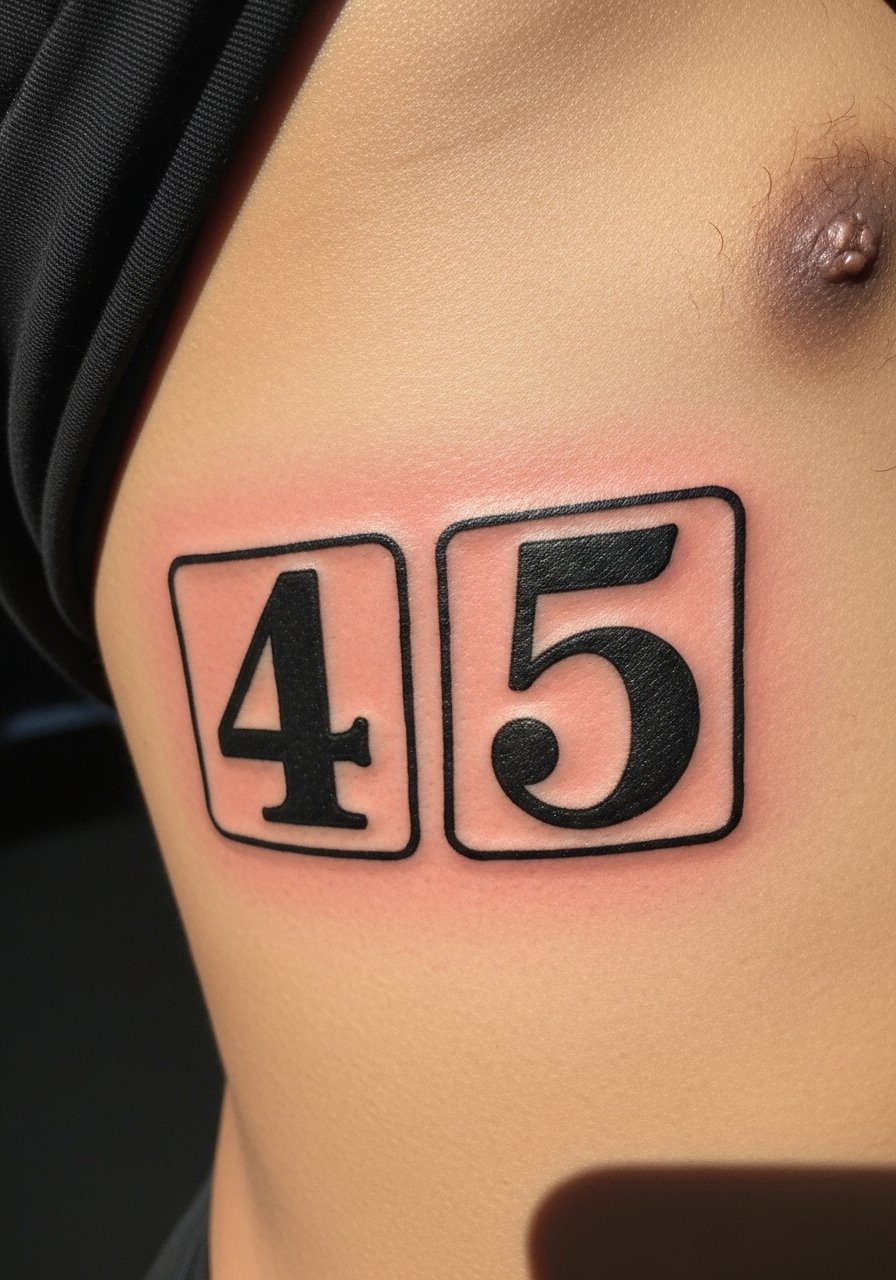
Fair warning, the ribcage hurts. I got a rib piece and remember the breathy, sharp sensation. Blackwork block numerals work because they have mass. That mass resists fading and blurring. Sessions can be 60 to 120 minutes depending on size. Tell your artist you want fully saturated black and clean outer edges. A common mistake is asking for tiny block letters there. They need surface area to survive stretching and weight changes. Over years, block black tends to hold shape better than thin script on the rib.
6. Script Birth Year Along Collarbone in Cursive
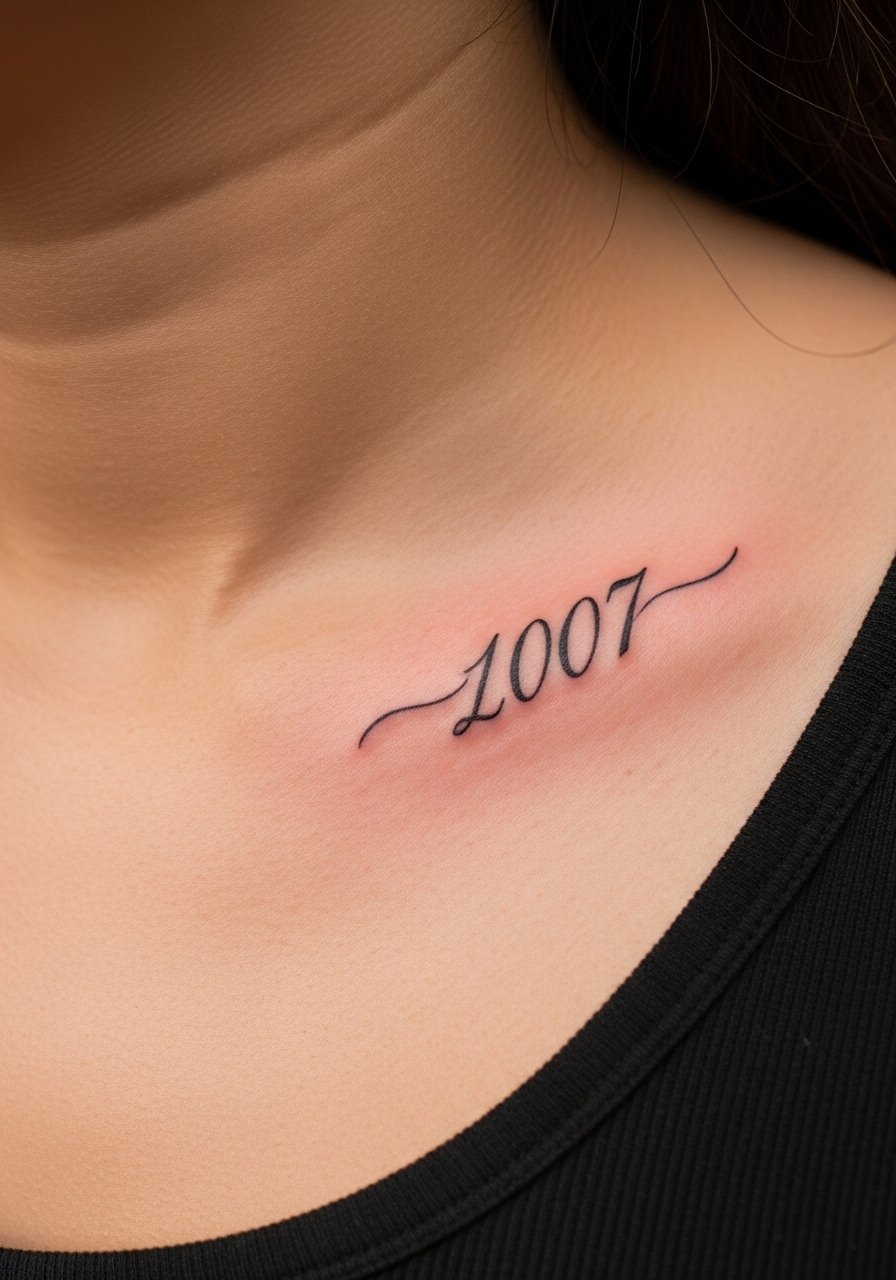
I chose a collarbone script after I saw how it moved with a smile. Cursive feels personal. Pain sits at a moderate level because of thin skin. Plan on 30 to 60 minutes. During consultation, show the artist reference for exact letter flow and request slightly more spacing between numerals in cursive to prevent ligature merging. Many people ask for ultra-fine cursive and then complain that loops fill in after two years. Slightly bolder strokes keep the style readable while staying delicate.
7. Birth Year Hidden Inside Floral Wrist Band, Fine Line
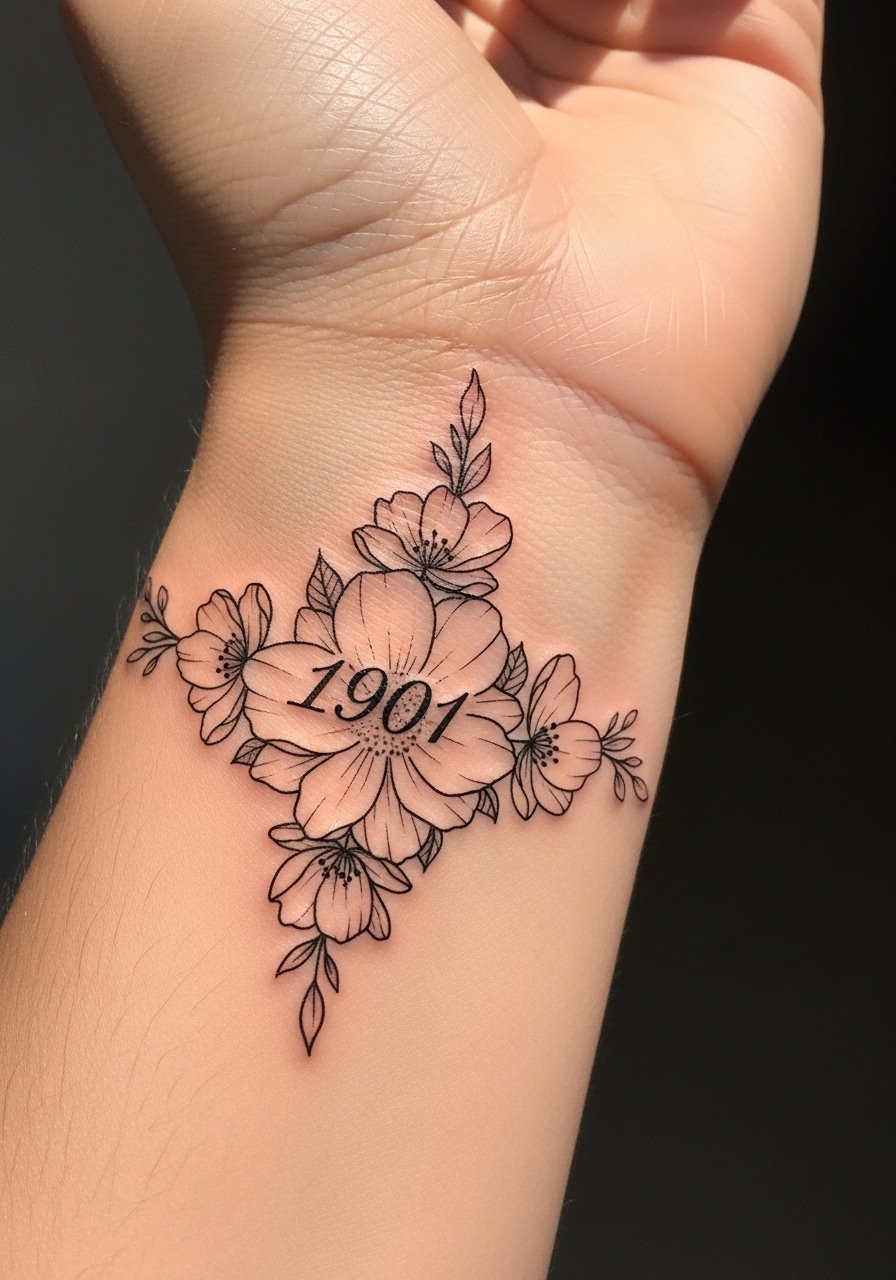
I first spotted this in a local artist's reel. It feels intimate because the year peeks through petals. Wrist pain is mild but constant during the session. Expect 45 minutes to an hour. Tell your artist to integrate the numerals into negative space within the floral shapes. A mistake is overlaying numbers on top of heavy shading. That ages poorly. For healing, use a gentle fragrance-free lotion after day three. I used CeraVe Fragrance-Free Moisturizing Lotion during the flaky phase and it helped without clogging pores.
8. Dotwork Birth Year on Sternum
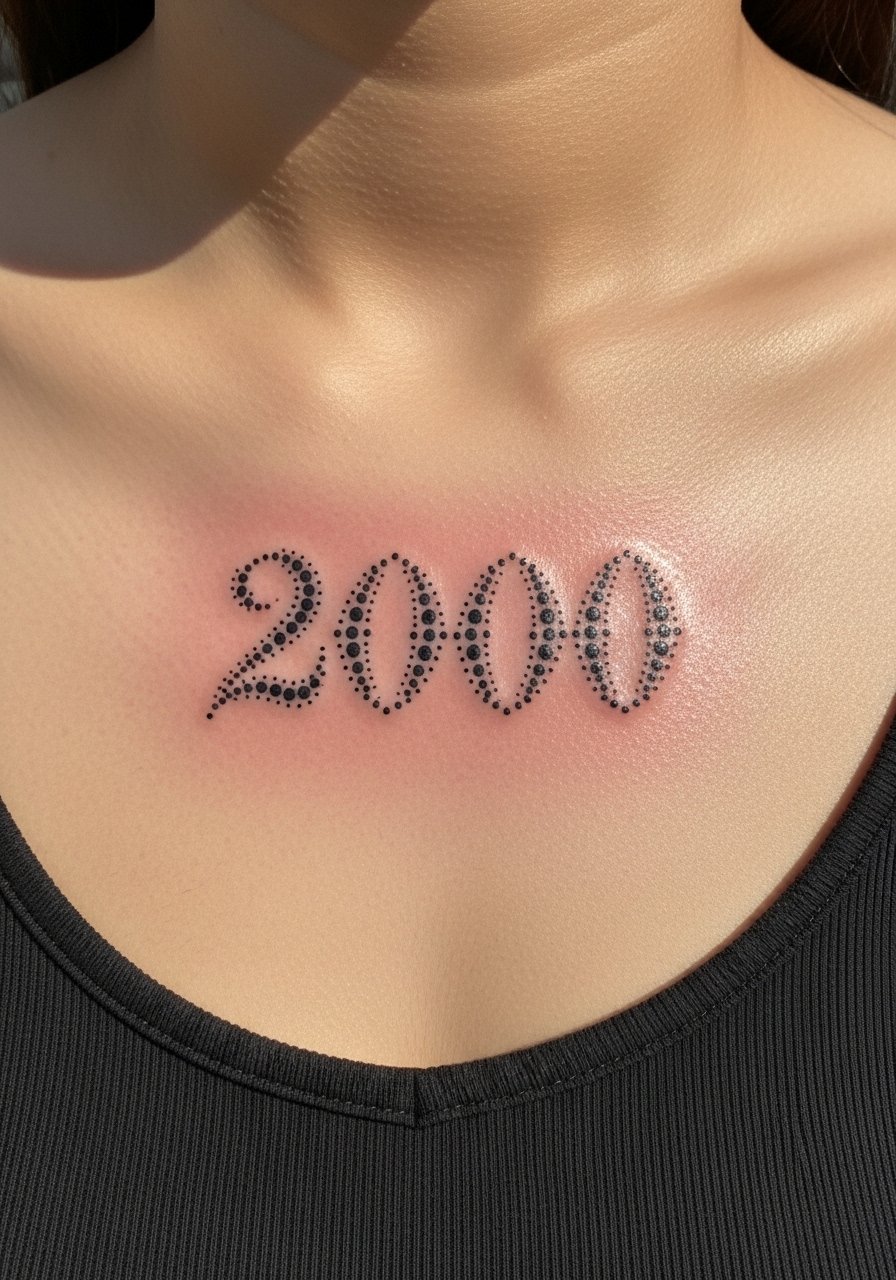
There's a visual rhythm to dotwork numerals that I really like. Sternum placement pulls focus and flexes with breathing. Pain ranges high, often an 8. Sessions can be split into two shorter appointments if you want less discomfort. Tell your artist to build dots with negative space forming the numbers, not heavy lines. The common mistake is using too-small dots that blur together. Over time, dotwork ages into a softer texture but keeps its form if dots are spaced intentionally.
9. Small Traditional Numerals on Ankle
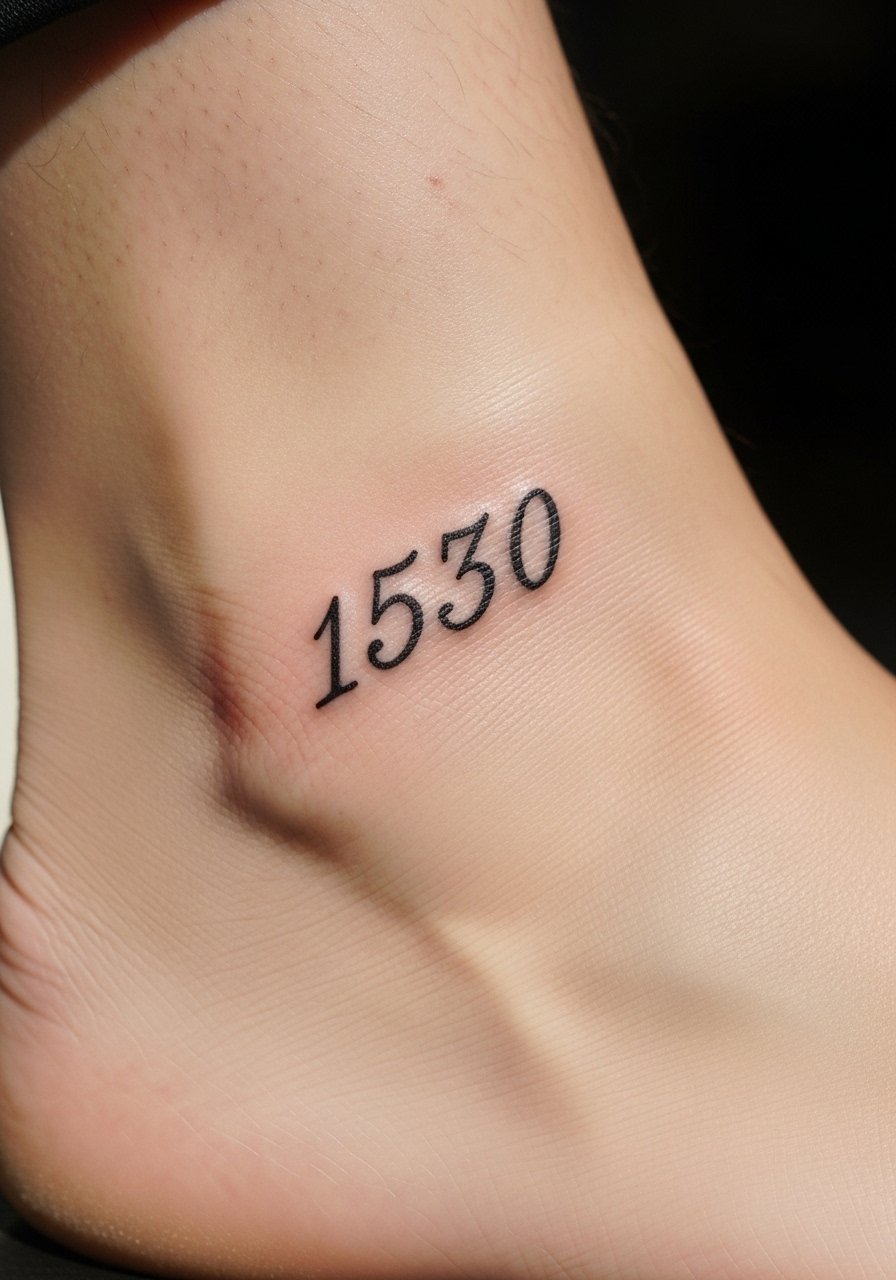
I got a tiny ankle year after a trip and liked how subtle it was. Ankle pain is sharp and localized. Sessions are short, under 30 minutes. Request a crisp, single-pass line and avoid heavy shading around the numerals. People often ask for tiny numbers too near the bone. That area sees friction from socks and shoes and can scab more. In my experience, leaving a narrow margin of skin around the digits helps them heal cleanly and remain readable.
10. Birth Year in Script Wrapped Around Finger
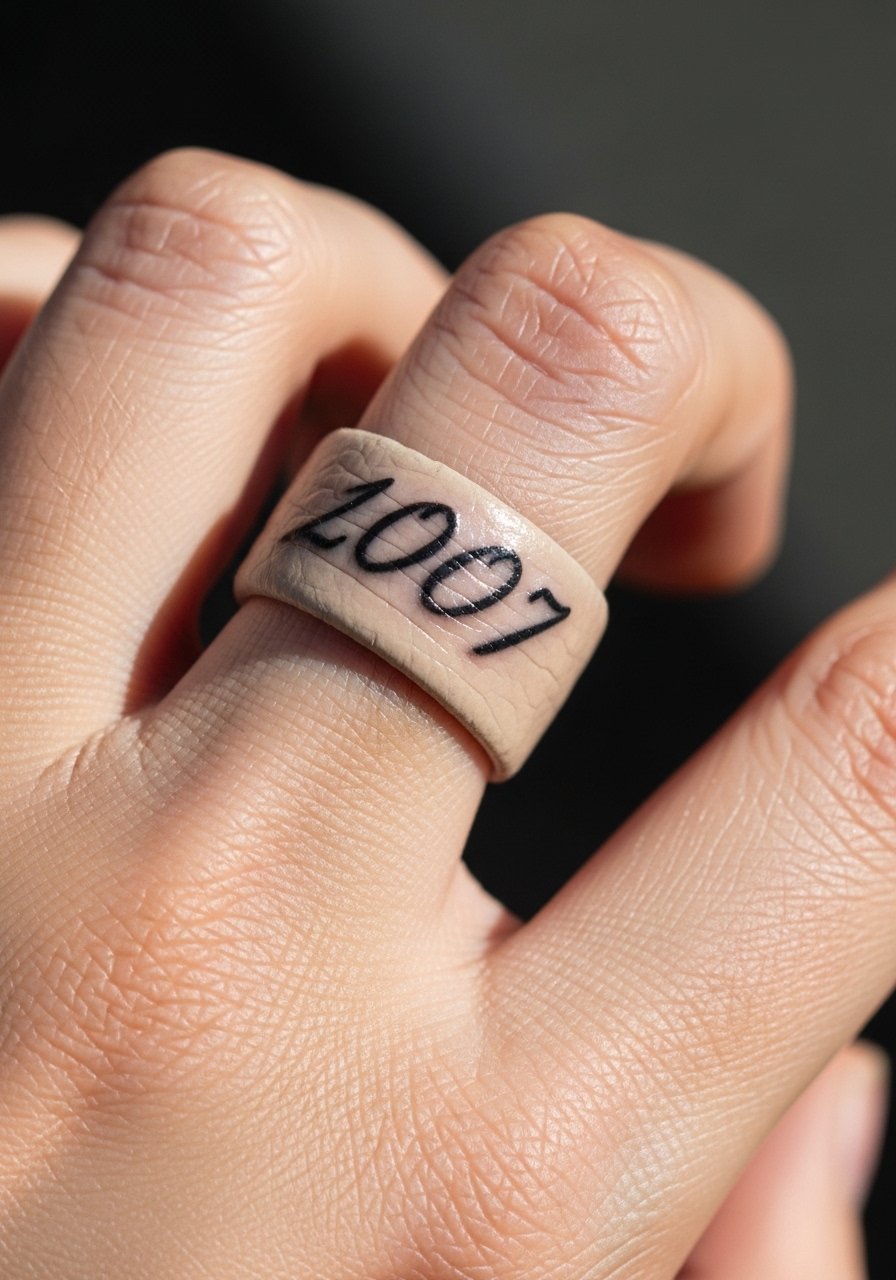
Finger tattoos are a commitment because they fade faster. I learned that after seeing multiple healed pieces. Pain is moderate but localized. These often require touch-ups at one year. Tell your artist you want slightly bolder strokes and fewer tiny curls so the script survives handwashing and wear. A common mistake is expecting a finger tattoo to stay perfect without future sessions. If you want longevity, be ready for refreshers. Healed looks soften and may develop slight blurring.
11. Birth Year with Minimalist Star Cluster on Shoulder Blade
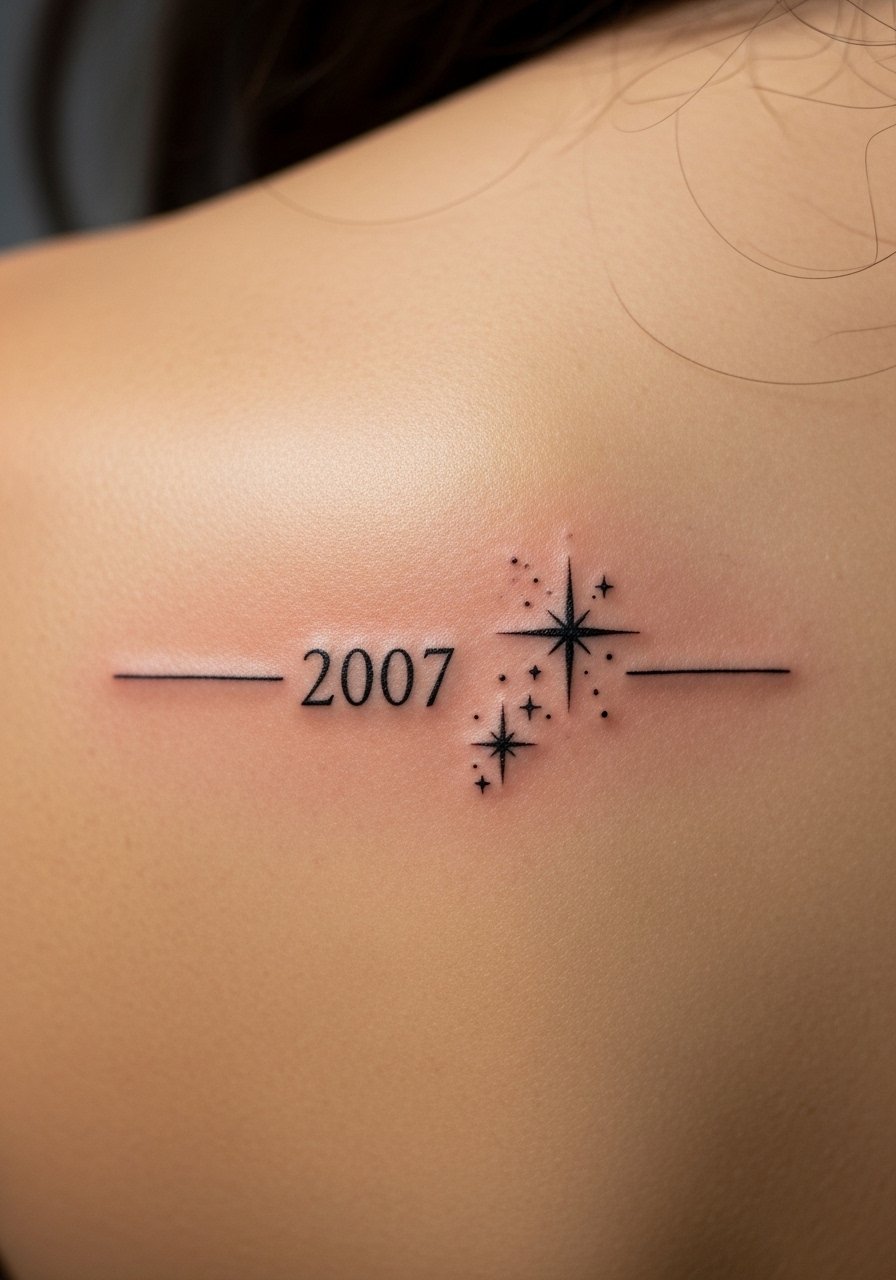
I saw this when an artist combined a year with small celestial marks. Shoulder blades are forgiving surfaces. Pain is moderate and session time is usually 45 to 60 minutes. Ask the artist to place the stars so they act as distance markers from the numerals, not overlapping. A mistake is scattering too many micro-dots that appear as noise after six months. With proper spacing, this composition reads cleanly even after a few years.
12. Geometric Birth Year Framed on Inner Bicep
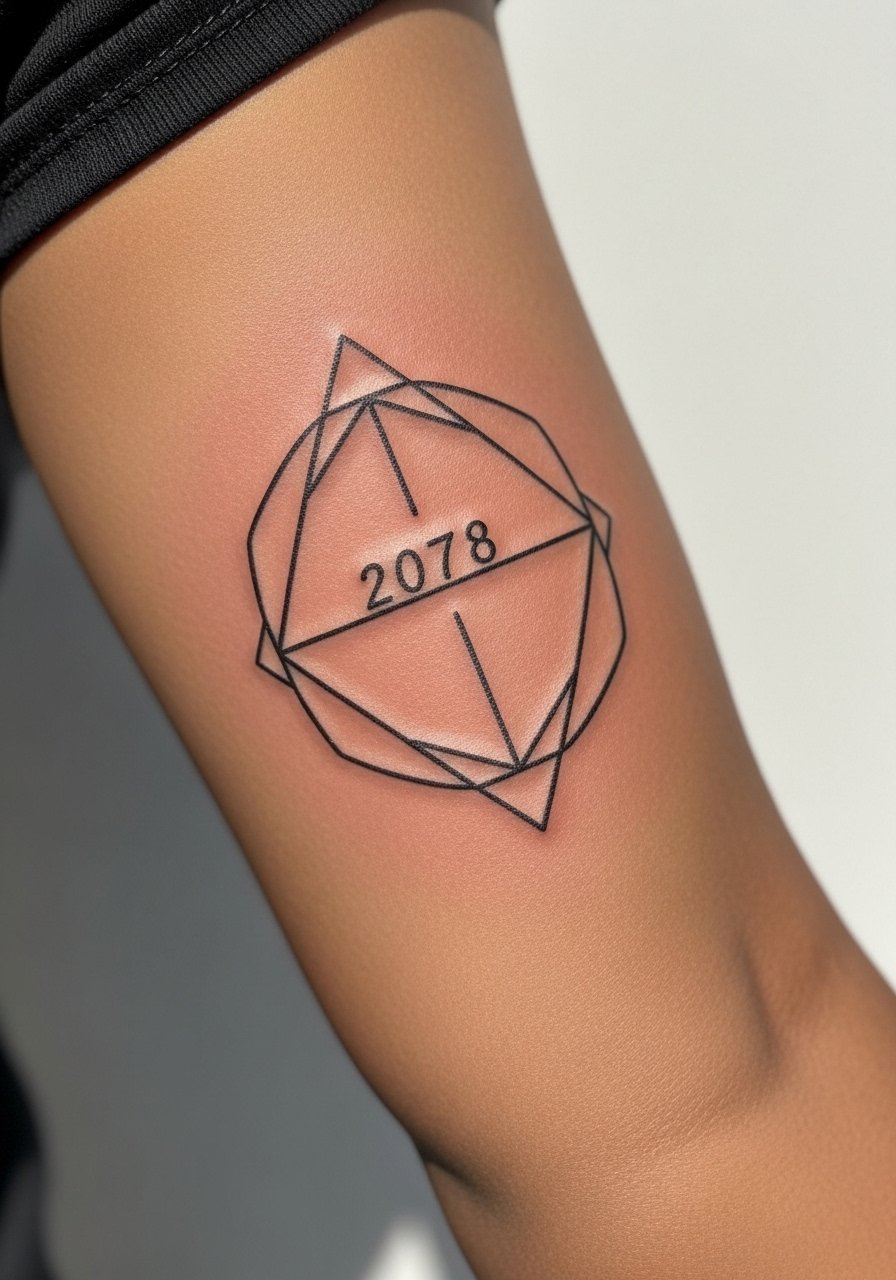
I recommend this when you want a structured look. The inner bicep allows for a mid-level pain experience. Sessions often run 60 minutes. Ask for clear spacing inside the frame and mention you plan to add to it later if you want a sleeve. A frequent mistake is tiny angles that merge as skin shifts. Larger shapes and slightly thicker numerals maintain structure longer. For aftercare I used Saniderm Transparent Adhesive Bandage, 6-inch roll the first night when I had a framed piece. It reduced friction overnight.
13. Watercolor Birth Year with Subtle Wash on Ribcage
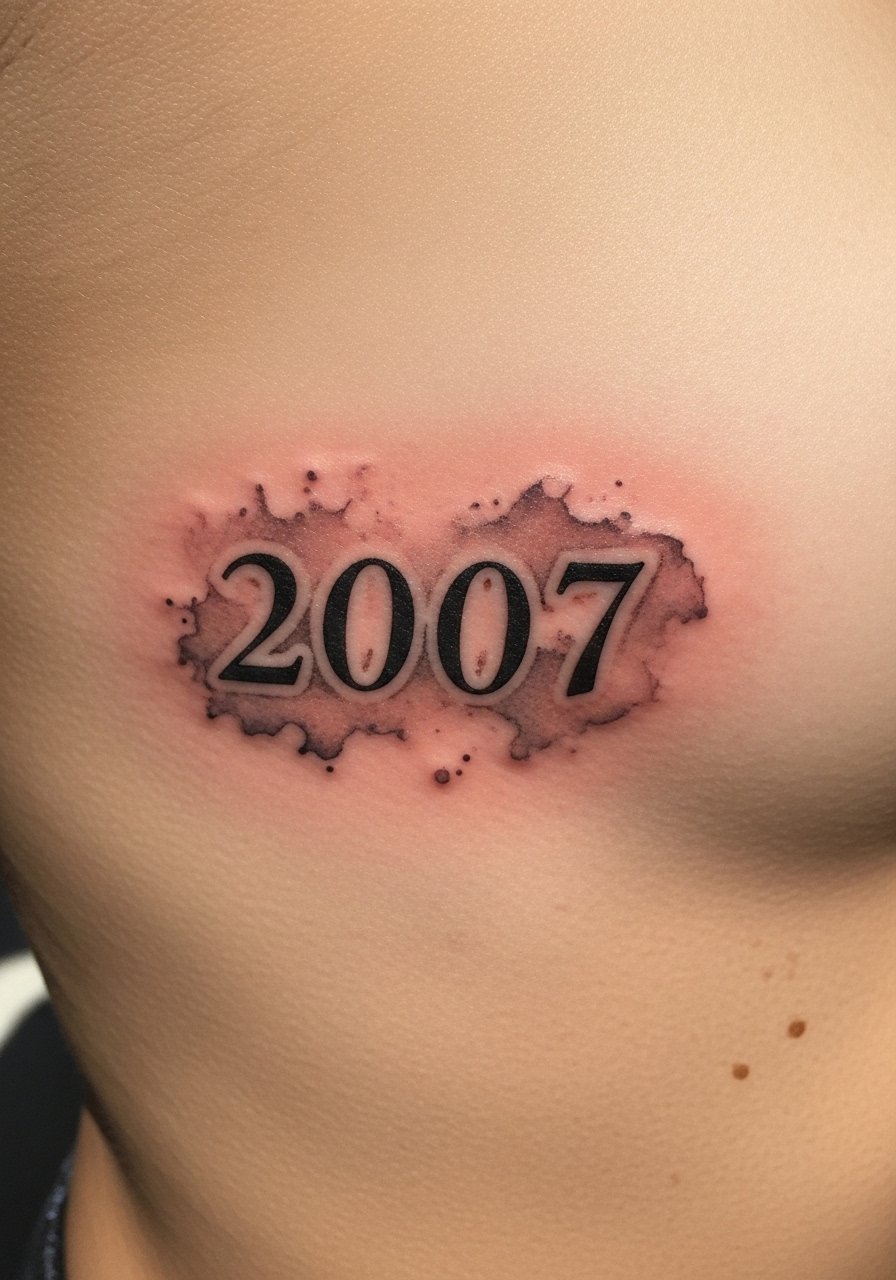
Most watercolor-style tattoos suffer from fading if they are all wash and no anchor. I like mixing a strong numeric anchor with light watercolor behind it. The ribcage pain is high, so plan accordingly. Session time varies widely. Tell the artist you want saturated numerals with a soft watercolor backdrop so the numbers age well and remain the focal point. A common mistake is asking for full splashes and tiny numerals. That washes out faster. Over two years the watercolor fades while the bold numbers hold.
14. Negative Space Numerals Inside Mandala on Back
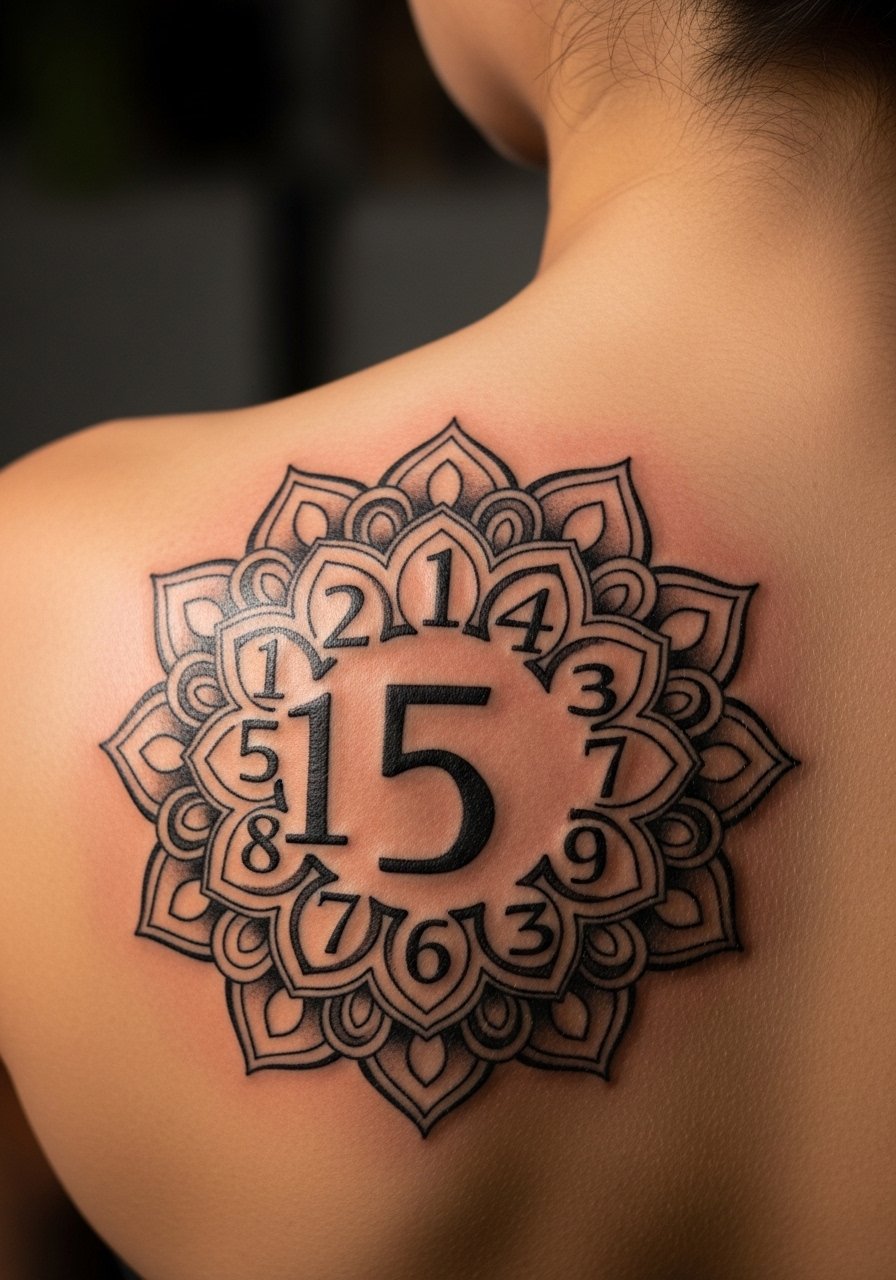
I noticed a few back pieces that use negative space cleverly. This placement minimizes pain for those who dislike high-pain spots. Sessions can be long, and often split. During consultation, point to how bold you want the mandala lines because thin lacework can fill in. The common mistake is overcomplicating the negative space, which becomes mushy as lines settle. When done with deliberate spacing, numbers remain readable inside the mandala for years.
15. Small Barcode-Style Birth Year on Side of Hand
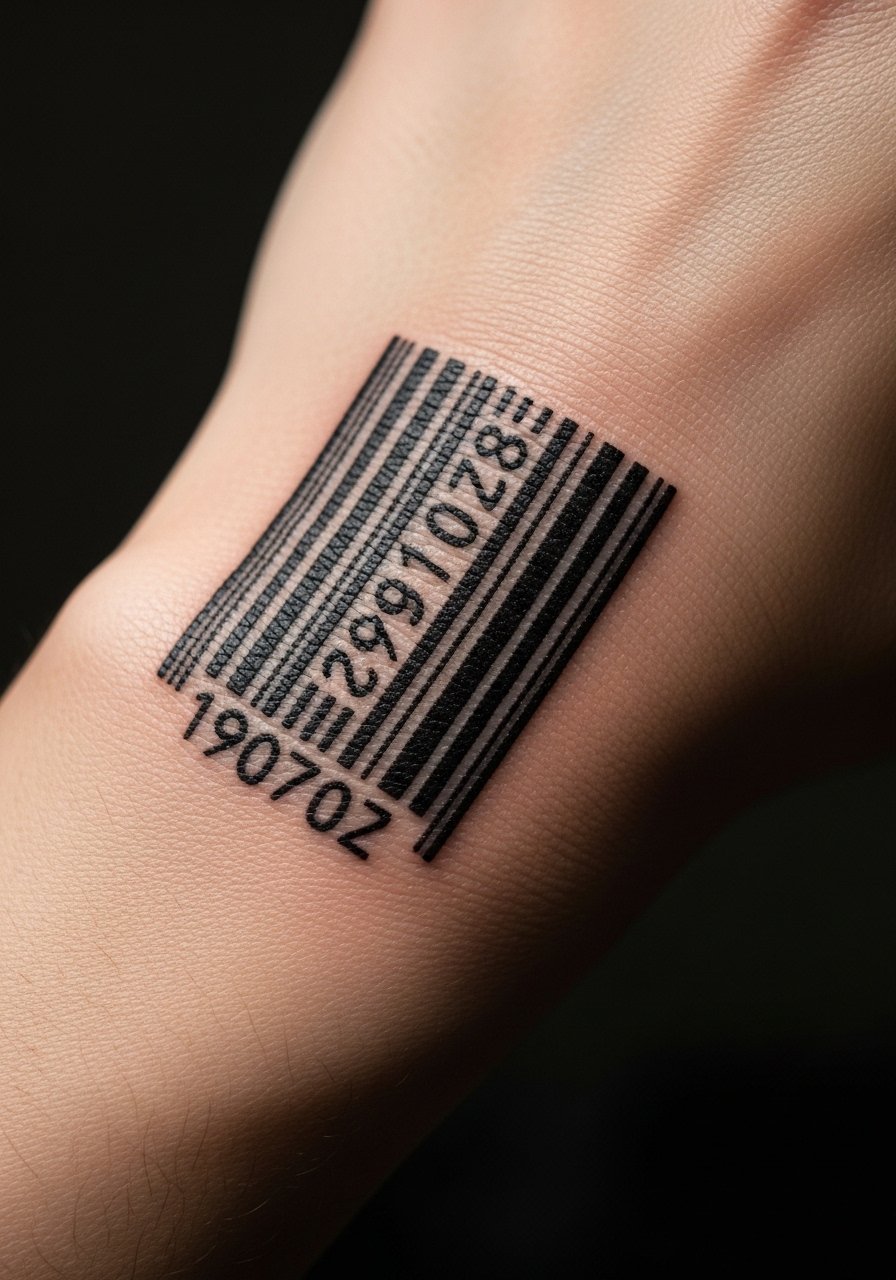
I saw this trend on streetwear models and liked its urban feel. Side of hand tattoos face high abrasion. Pain is moderate. Plan for quick sessions and expect touch-ups. Tell your artist you want thicker bars and clear separations so the barcode does not blur into a gray block. A mistake I see is overly fine bars. They disappear after frequent washing. With proper spacing and slight boldness, the barcode stays legible longer.
16. Birth Year Integrated Into Small Anchor on Ankle
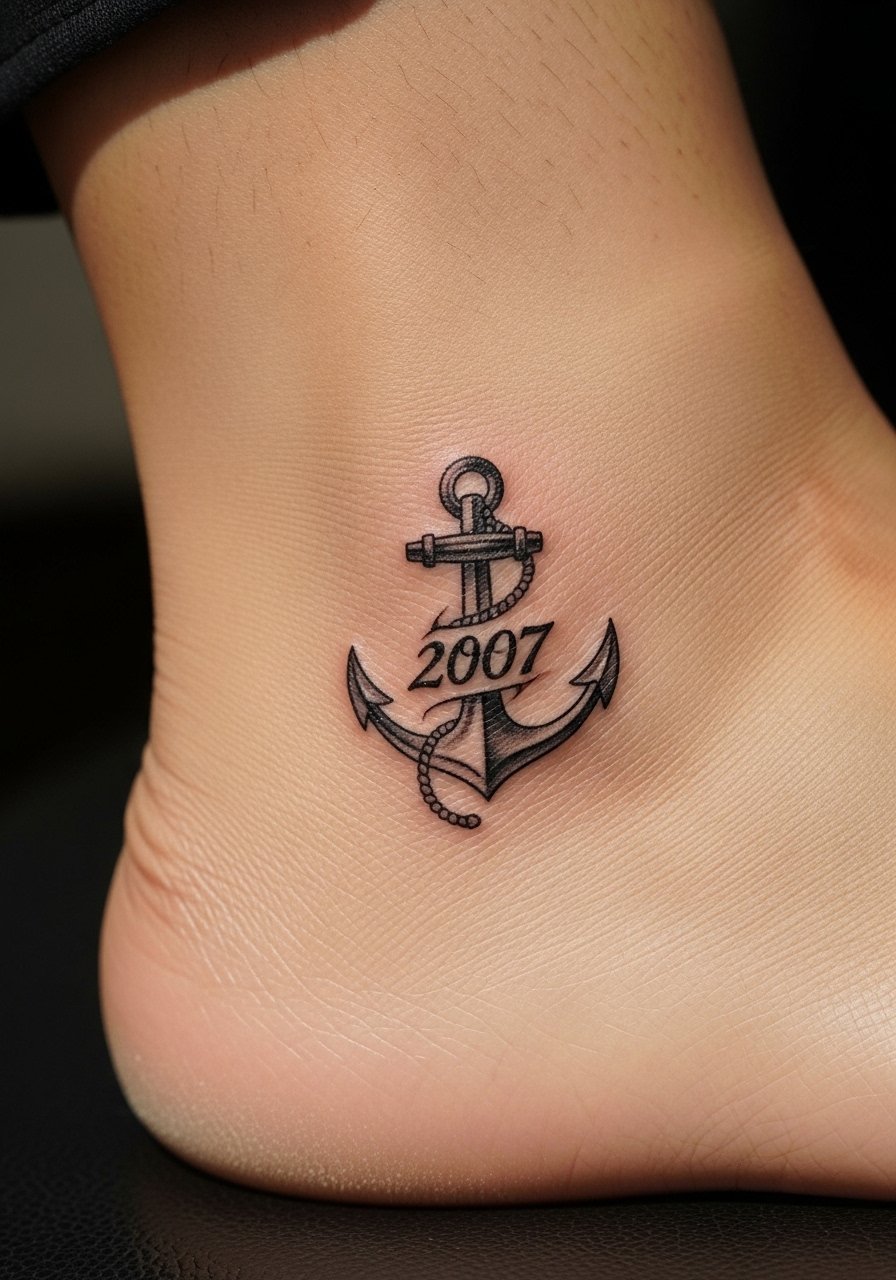
I picked an anchor design after a boat trip. Anchors give context to the numbers. Ankle sessions are short but sharp. Ask for negative space between the numerals and the anchor shank so the numbers do not fill in. Many people layer heavy shading around numerals, which causes early blurring. For aftercare I used Aquaphor Healing Ointment, 14oz tube for the first three days. It minimized scabbing while keeping the design visible.
17. Micro Script Birth Year Near Sternum in Tiny Font
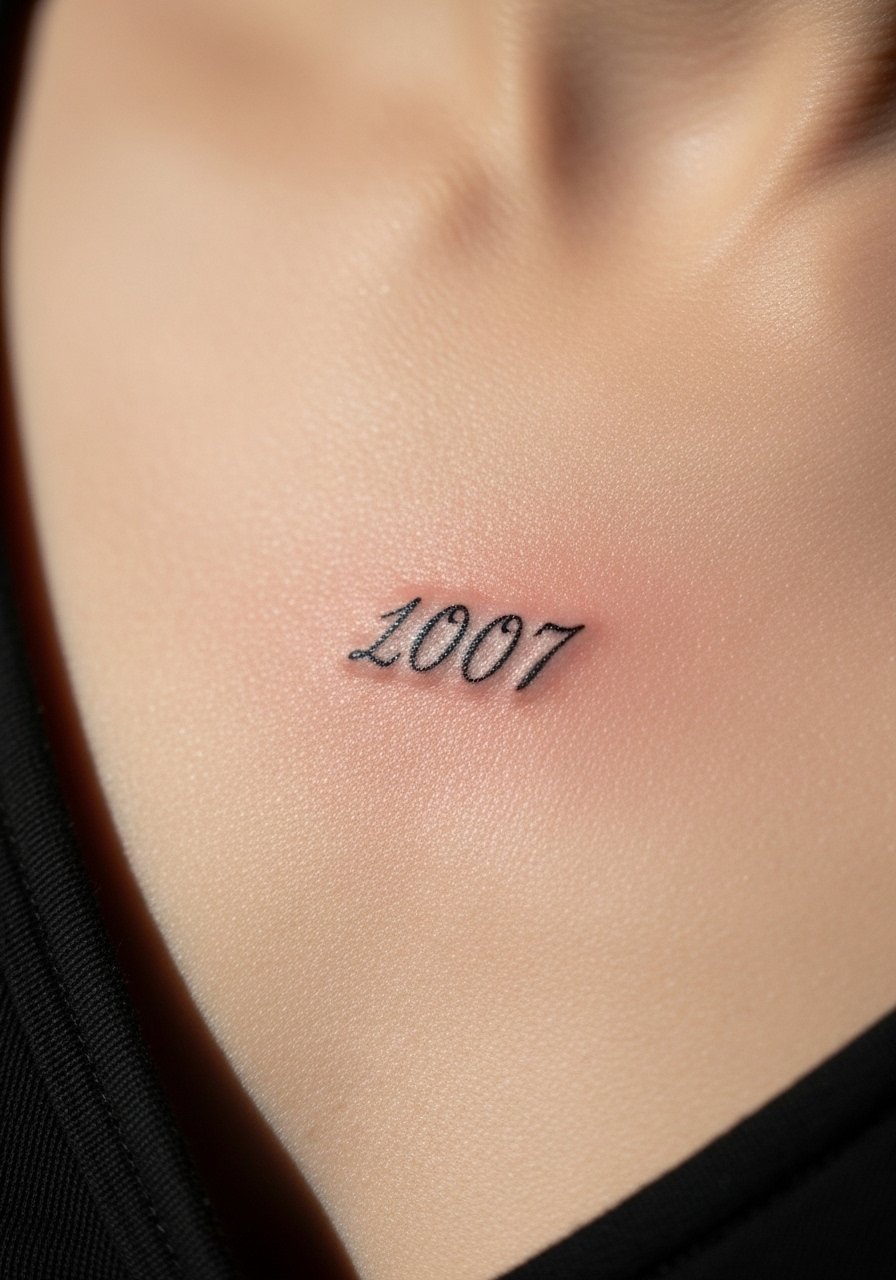
Most artists will tell you micro script needs maintenance. I learned that after asking for a delicate tiny font. Pain is moderate. Short session times help. During the consult, have the artist write the digits on paper at different thicknesses. Choose the one that still reads at arm's length. The common mistake is picking a font that looks great in a mockup but scrawls when healed. If you want longevity, choose slightly bolder micro script.
18. Birth Year in Old English Font on Thigh
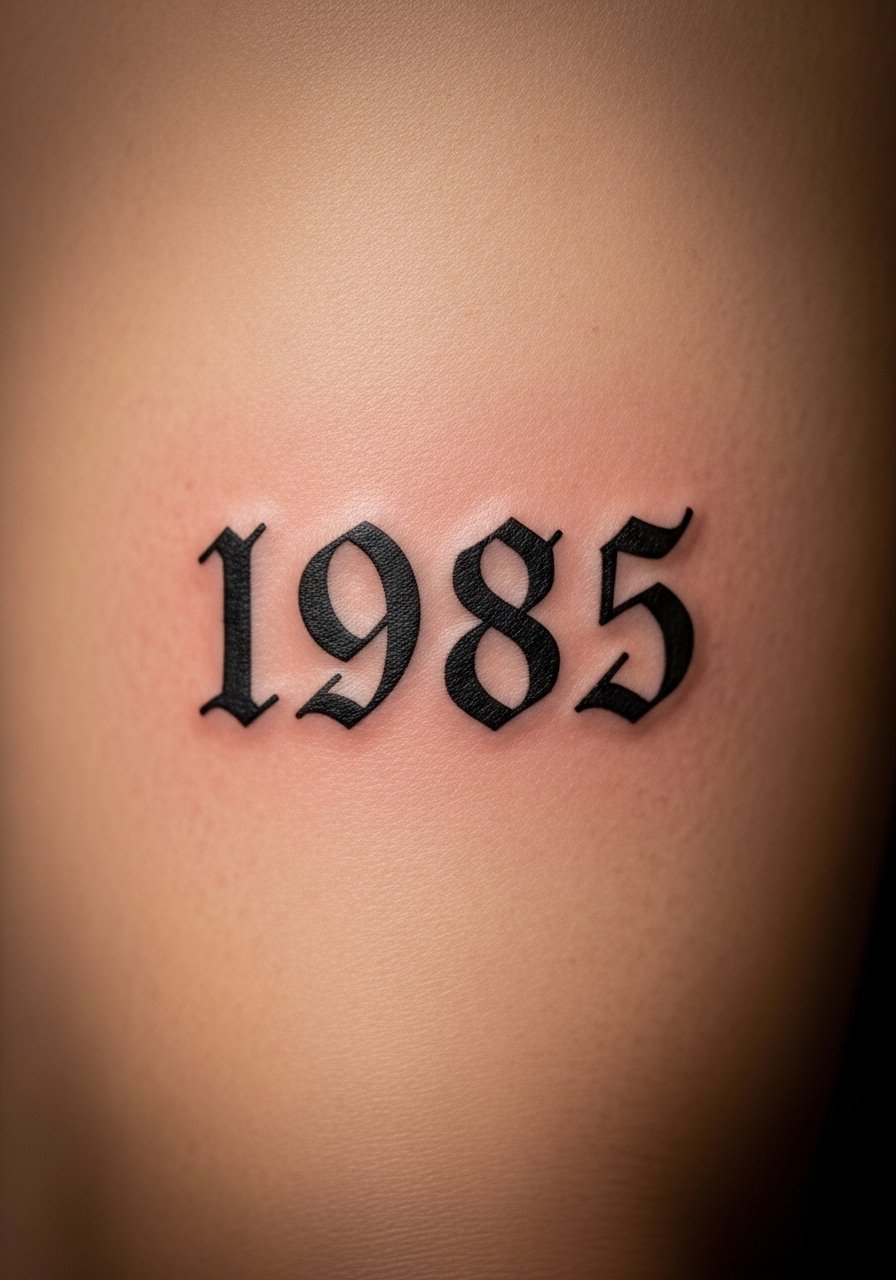
Old English reads strong and holds up if executed with full black. Thigh pain is low and sessions are comfortable. Ask the artist to emphasize clean serifs and avoid tiny filigree inside letter bowls. A frequent mistake is shrinking Old English too small. That makes the serifs merge. Over years the letters keep their character if they start with solid line weight and spacing.
19. Birth Year with Coordinates in Micro-Realism on Ribcage
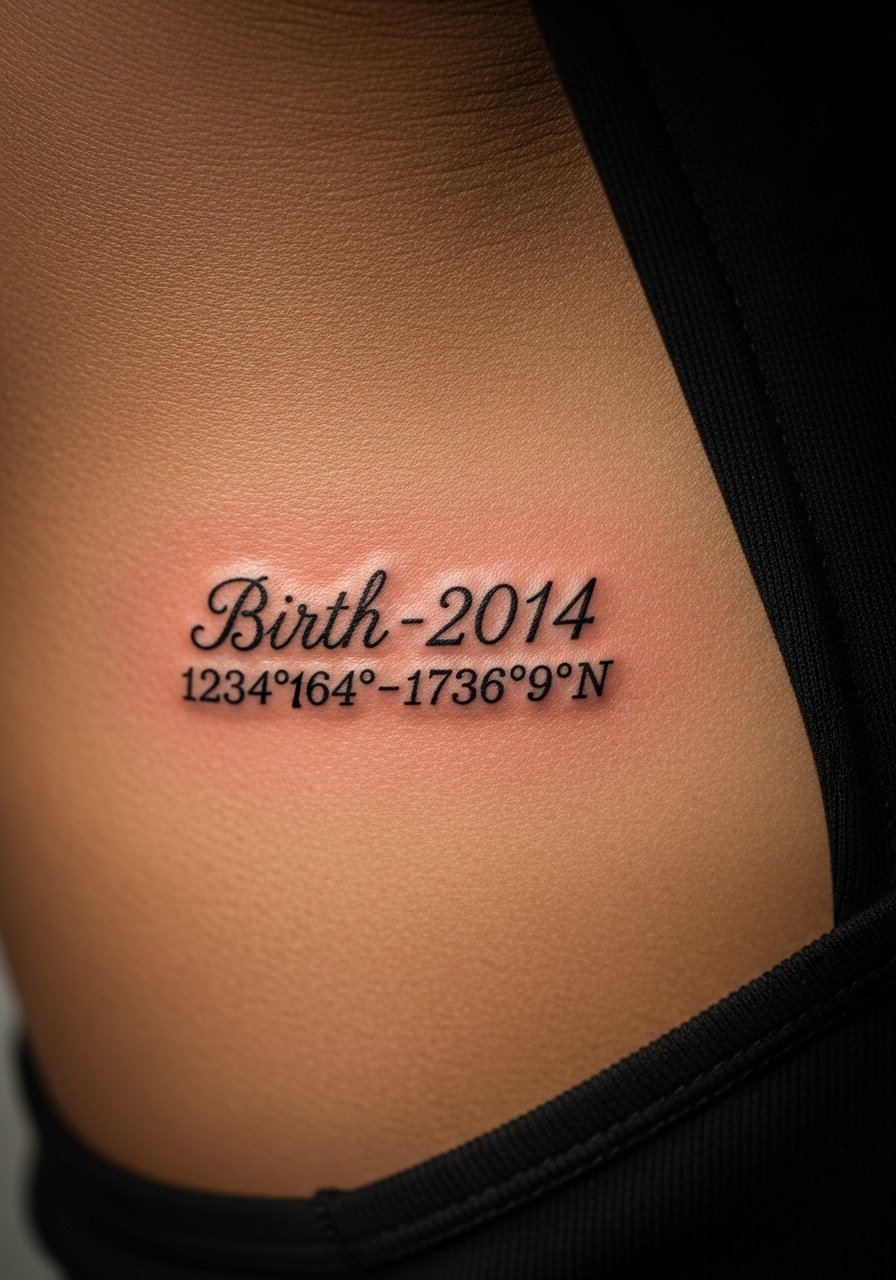
I like pairing a birth year with coordinates for a place-based story. Ribcage will be painful. Expect sessions of 60 minutes or more if you include detail. Tell your artist you want the year as the visual header and coordinates in a slightly lighter weight. A mistake is placing both elements at the same thin weight. The header digit should be bolder. For touch-ups I keep a mild balm on hand until the first year.
Hustle Butter Deluxe is a vegan option I have used during longer healing phases. It helped soothe tight skin without heavy residue.
20. Minimal Block Numerals on Collarbone with Tiny Dot Accents
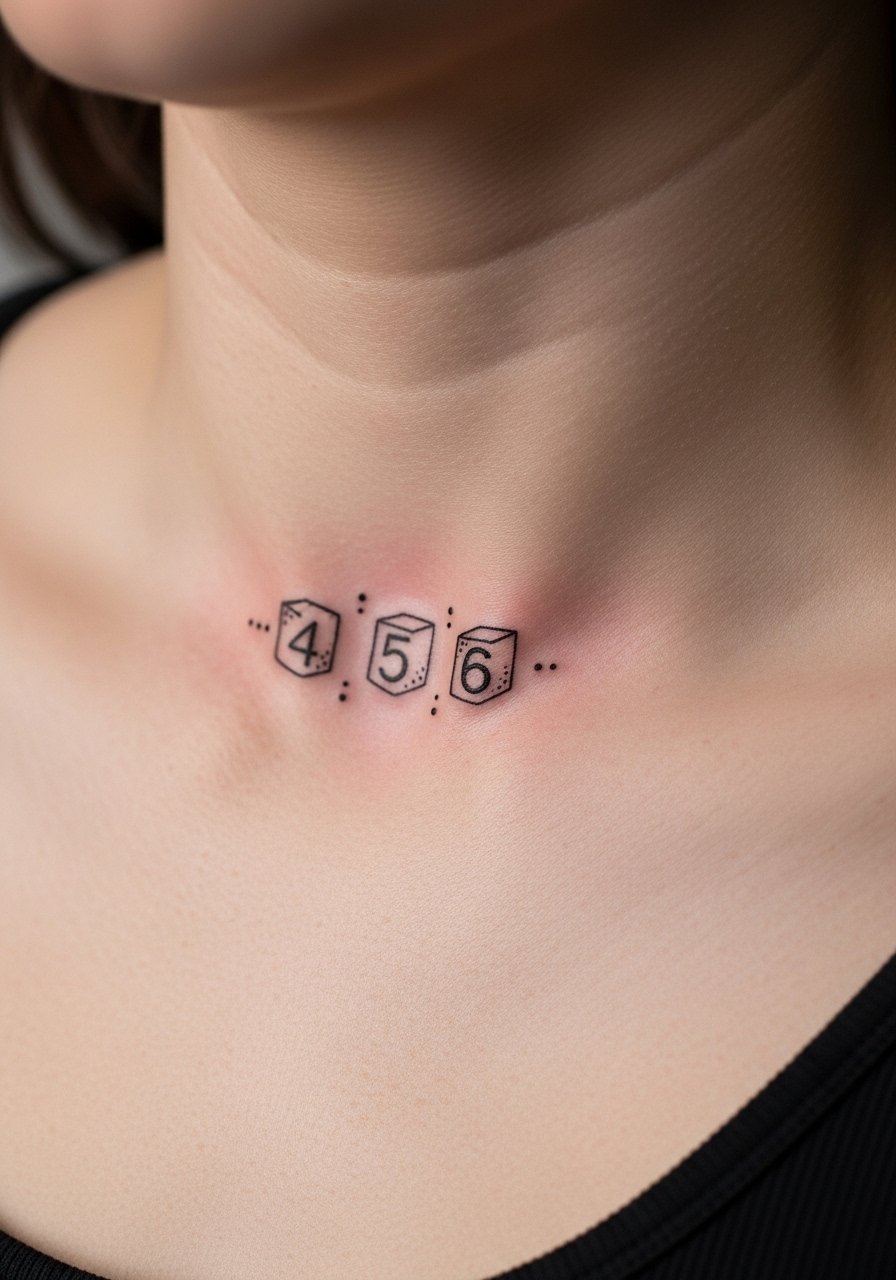
I recommend this if you want a quiet statement. Collarbone mobility means the piece moves with breath and posture. Pain is moderate. Sessions run 30 to 60 minutes. During consultation, ask for dot accent spacing and a slightly heavier block stroke. Tiny accents often get lost if they're too close to the main numerals. Over time the blocks keep shape while dots soften, so plan the dots as secondary details.
21. Negative Space Birth Year Within Linework Sleeve Accent
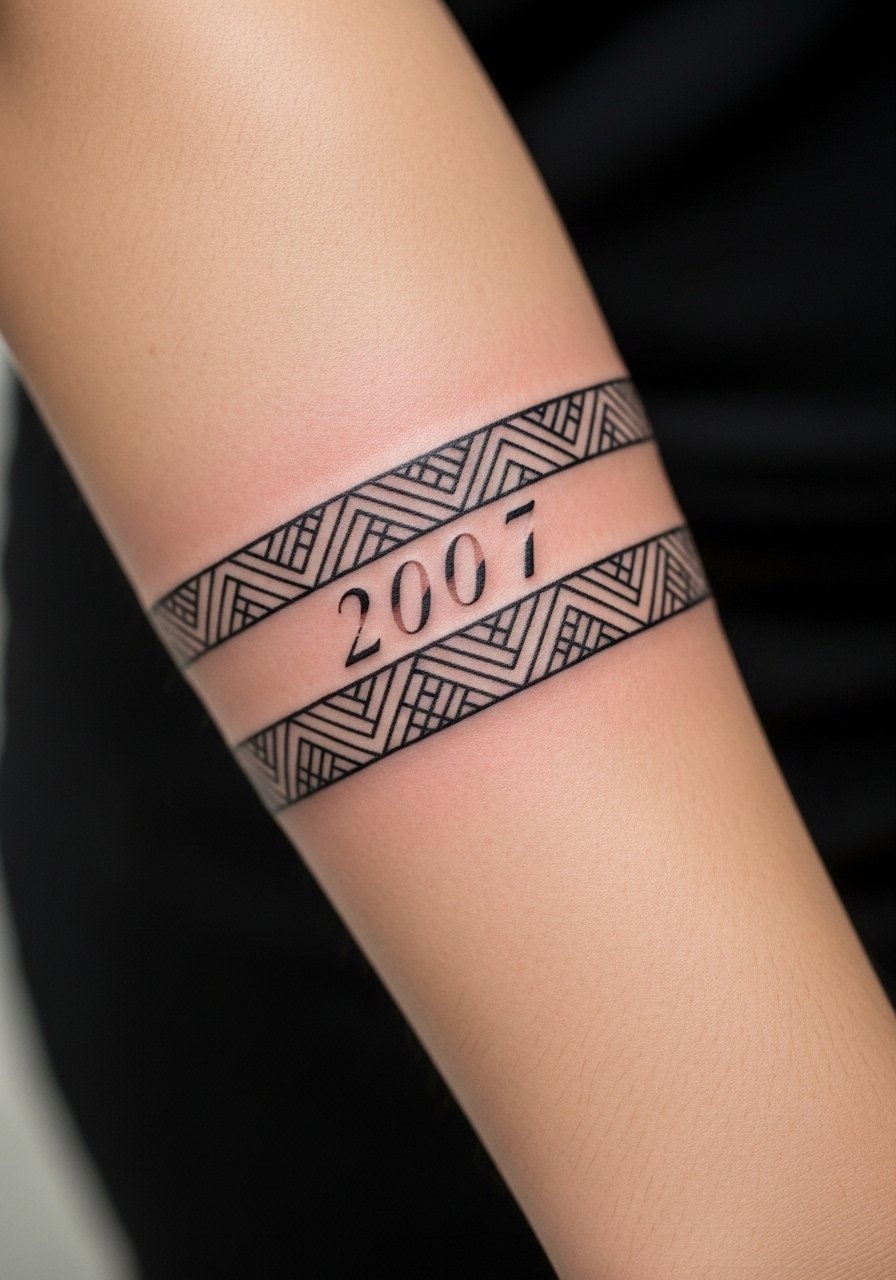
I discovered this while watching a sleeve build out over months. Negative space numerals inside linework read as a secret. Outer forearm pain is low. Sleeve pieces take multiple sessions. Tell your artist you want the numbers to be cut out of the sleeve, not drawn over. A common mistake is outlining the negative space too thinly, which allows ink creep later. I ask for deliberate negative space margins so numbers remain crisp even when the overall sleeve settles.
I often recommend using Saniderm Transparent Adhesive Bandage, 6-inch roll on forearm sessions to protect fresh linework during the first 48 hours.
22. Birth Year in Typewriter Font Inside Inner Wrist
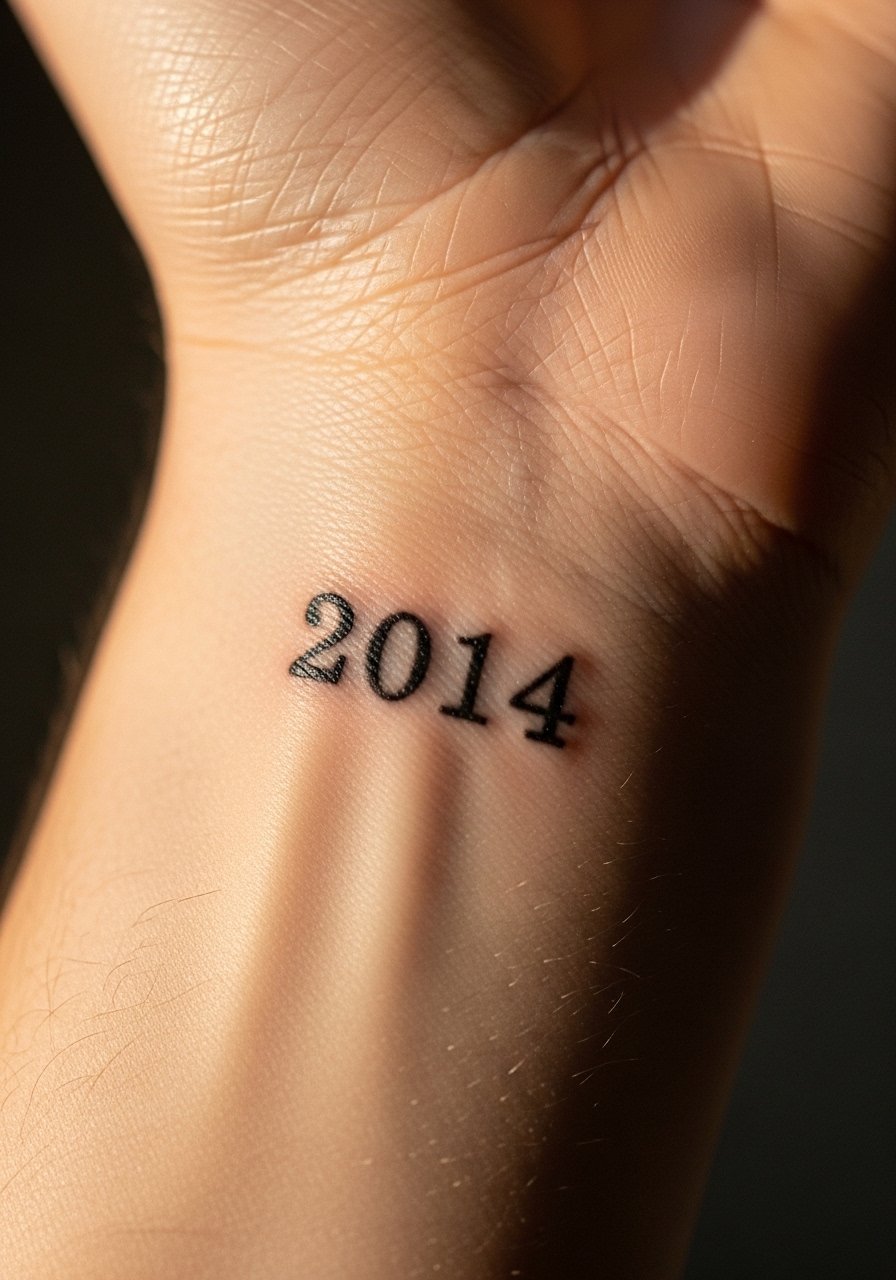
I liked the typewriter font for its nostalgic feel. The inner wrist is a high-visibility spot. Pain is low to moderate. Sessions are quick and can be done in 20 minutes. During consult, ask the artist to mimic ink dot irregularities to keep it authentic. The mistake I see is making the typewriter numerals too faint. A little more saturation keeps the grainy character while preventing early fade. Expect the inner wrist to soften slightly after a year from sun exposure and frequent washing.
Tattoo Prep and Aftercare Essentials
Aftercare matters more than most people expect. I include products I use and what artists actually recommend.
Aftercare Essentials:
- Aquaphor Healing Ointment, 14oz tube — Industry standard for first 3-5 days, apply thin layer
- Saniderm Transparent Adhesive Bandage, 6-inch roll — Second skin healing method for 24-72 hours
- CeraVe Fragrance-Free Moisturizing Lotion, 12 oz — For days 4-14, non-comedogenic
- Dr. Bronner's Unscented Castile Soap, 8 oz — Gentle tattoo cleaning, lather and rinse with cool water
Before Your Appointment:
- Tattoo numbing cream with 5% lidocaine, 30g tube — Apply 30-45 minutes before only if your artist approves
- Tattoo stencil transfer paper, 9×12 pack — Useful if you mock-up placement at home first
Long-Term Maintenance:
- SPF 50 sunscreen stick for tattoos, 0.6 oz — Prevents fading on exposed ink, reapply often
- Mad Rabbit Tattoo Balm, 1.7 oz — Keeps healed tattoos vibrant during seasonal dry spells
- Hustle Butter Deluxe, 3.5 oz — Vegan aftercare alternative used by some artists
Optional Comfort Items:
- Tattoo numbing spray, 50ml bottle — Handy for touch-ups or very sensitive areas
- Hydrocolloid bandages for small tattoos, pack of 10 — Alternative to Saniderm for small spots
Every artist I talked to emphasized sunscreen and gentle soap. From what I've gathered, consistency beats fancy products.
Frequently Asked Questions
Q: Will fine line birth year tattoos blur into each other if I get a full sleeve nearby?
A: From what I've seen, fine line digits can blur when crowded by heavy adjacent shading. If you plan a sleeve, ask the artist to give the numerals slightly more line weight and buffer space. Using a second skin product like Saniderm Transparent Adhesive Bandage, 6-inch roll for initial healing reduces friction and helps lines set cleanly.
Q: Do watercolor-style birth year tattoos need different aftercare than traditional ones?
A: I noticed watercolor fades faster when over-scrubbed. Clean gently with a mild soap like Dr. Bronner's Unscented Castile Soap, 8 oz and avoid heavy ointments that trap pigment. Artists I know recommend a thin layer of Aquaphor only for the first few days, then switch to a fragrance-free lotion for weeks.
Q: How often will finger and hand birth year tattoos need touch-ups?
A: In my experience finger and hand pieces often need a touch-up within 6 to 18 months. The skin there experiences constant abrasion and washing. Pick a slightly bolder initial line. And keep a balm like Mad Rabbit Tattoo Balm, 1.7 oz in rotation to keep the healed ink looking fresher between refreshers.
Q: What should I ask my artist when I want negative space numerals inside a mandala or sleeve?
A: Ask them to show a healed mock-up or older work with similar spacing. From what I've seen, negative space survives best when the surrounding lines are bold enough to resist blur. Also request deliberate margin around the numbers and ask how they plan to space fills to avoid eventual ink creep.
Q: Are there placements I should avoid if I want my birth year to stay readable for decades?
A: I've learned that high-abrasion spots like fingers, the side of the hand, and areas constantly in sunlight will soften faster. If long-term readability is your priority, choose placements like upper arm, thigh, or block blackwork on the ribcage. For exposed areas, plan on sunscreen such as an SPF 50 sunscreen stick for tattoos, 0.6 oz in your daily routine.
Q: Can I get a ribcage watercolor birth year and expect it to stay vibrant?
A: From what I've noticed, pure watercolor on the ribcage fades unless you anchor the numbers with solid lines or blackwork. If you want vibrancy, request a solid numeric anchor and a soft wash behind it. This combination preserves legibility while giving you the watercolor look.
Q: What is the realistic healing timeline for a small fine line inner forearm birth year?
A: In my experience the outer scab phase is one to two weeks, and settled skin appears between four and six weeks. However, lines will soften slightly over the first six months. Follow your artist's cleaning routine and rotate a fragrance-free lotion like CeraVe Fragrance-Free Moisturizing Lotion, 12 oz to keep the area hydrated.