
I spent weeks scrolling behind-the-ear tattoos before I understood the real decision was about style and placement—not just the cute design. I learned which tiny motifs heal best behind the ear and which ones blur fast. These 23 ideas focus on styles that actually hold up and feel good to wear.
This list leans into delicate, minimalist, and micro-realism looks that suit behind-ear placement. These ideas work for folks who want discreet ink, or a peek-a-boo statement that sits by the hairline. From what I've seen in 2026 trends, micro-detail and negative-space pieces dominate this spot.
1. Fine Line Tiny Botanical Behind Ear
Style/Technique: Fine Line / Minimalist
Pain Level: Low (2-3/10)
Session Time: 30-60 minutes
Best For: First tattoo, subtle daily wear
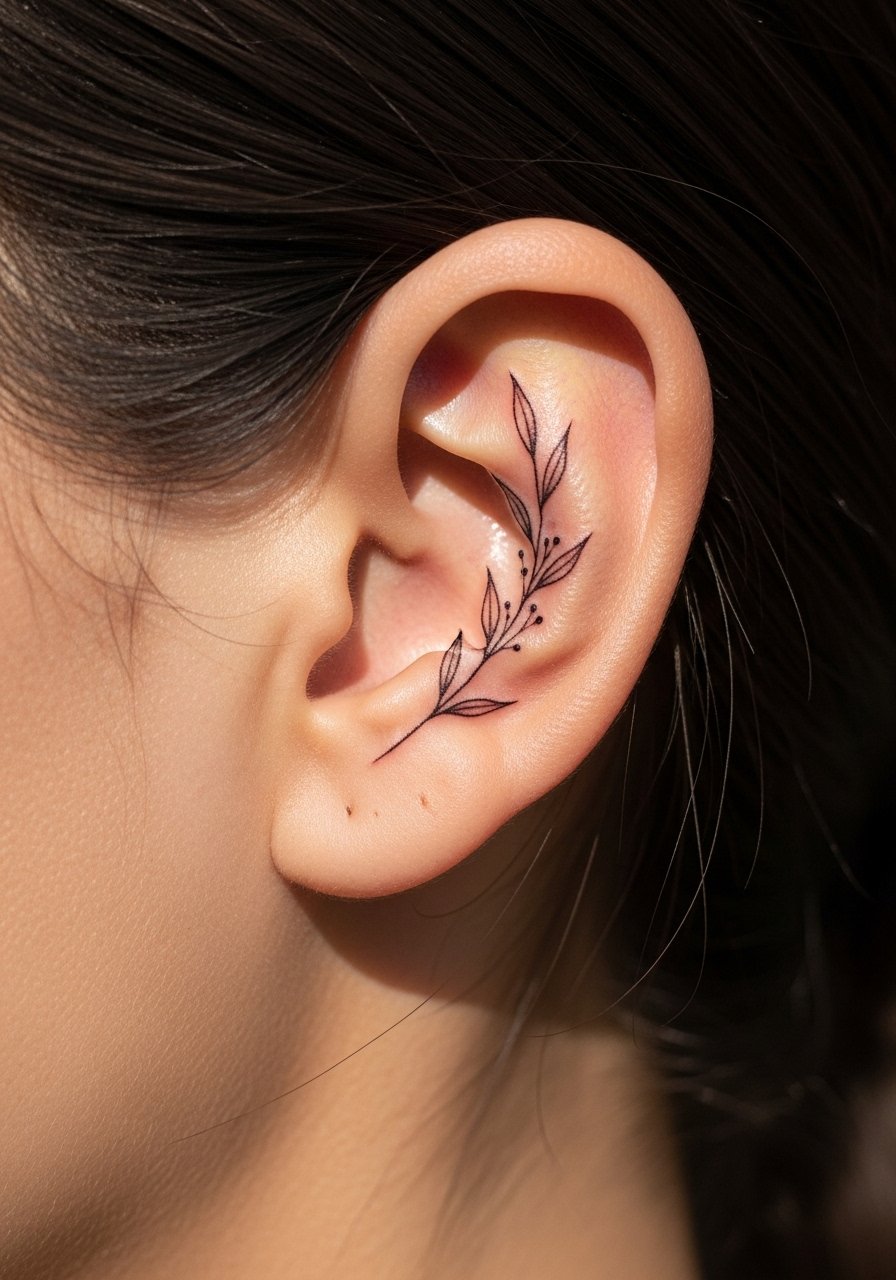
I love botanicals here because the curve of the ear makes stems feel natural. Fine line creates a delicate silhouette that peeks from hair. Pain is usually low—skin is thin but the area is small so sessions are short. Healing is quick if you keep it clean and moisturized. Watch for lines that are too thin; they can blur. Ask your artist for slightly bolder single-needle work so it looks good healed.
2. Micro-Realism Mini Portrait Behind Ear
Style/Technique: Micro-Realism / Portrait
Pain Level: Medium (3-5/10)
Session Time: 1-2 hours
Best For: Meaningful mini pieces, pet or loved one portrait
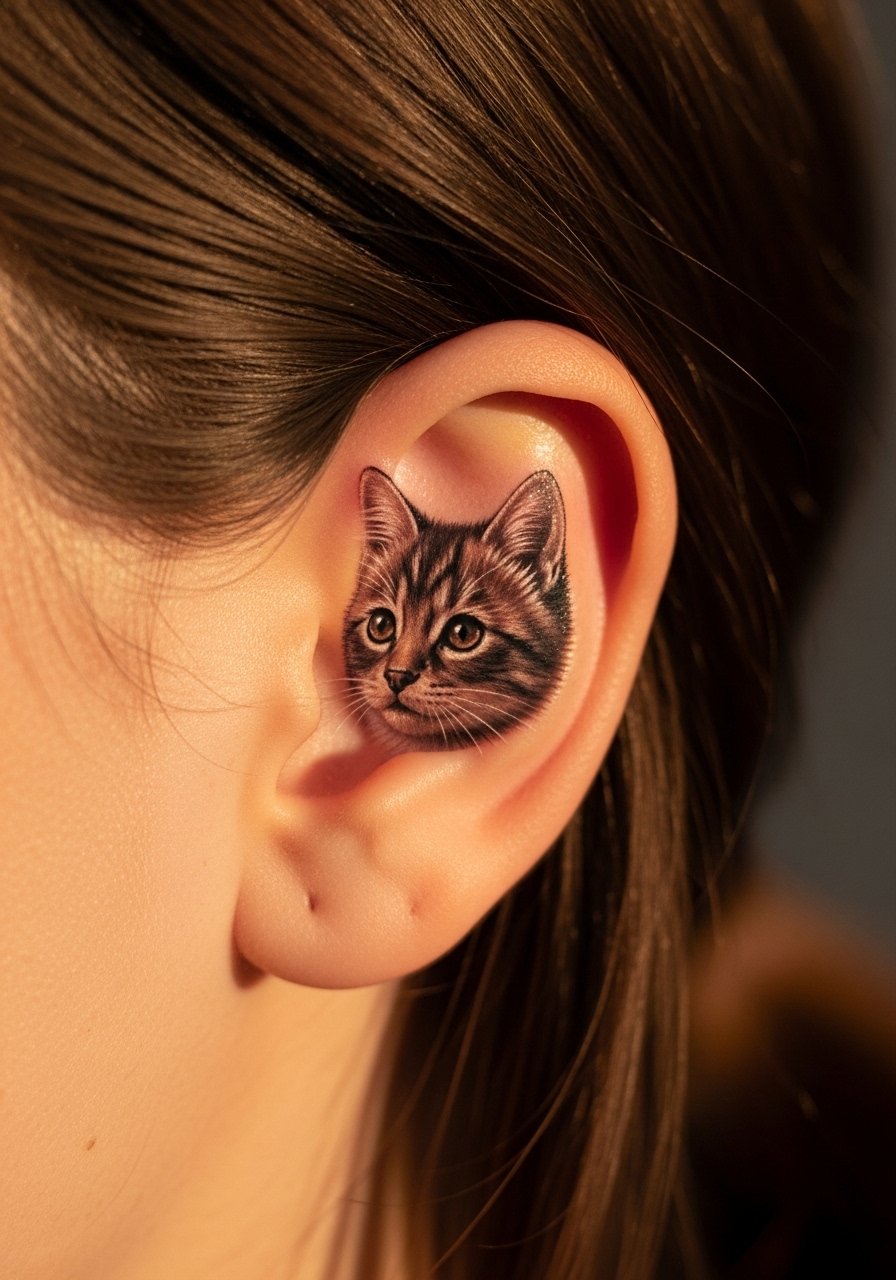
Micro-realism surprises people in this spot. A very small, realistic eye or pet face can fit behind the ear and still read clearly. Pain is moderate because shading takes time on sensitive skin. Healing requires gentle washing and light moisturizing. Realistic work needs an experienced hand—I've seen amateur attempts turn into smudged blobs. Bring clear reference photos and ask to see healed micro pieces from the artist.
3. Minimalist Crescent Moon Behind Ear
Style/Technique: Minimalist / Line Work
Pain Level: Low (2/10)
Session Time: 20-40 minutes
Best For: Timeless, discreet symbol
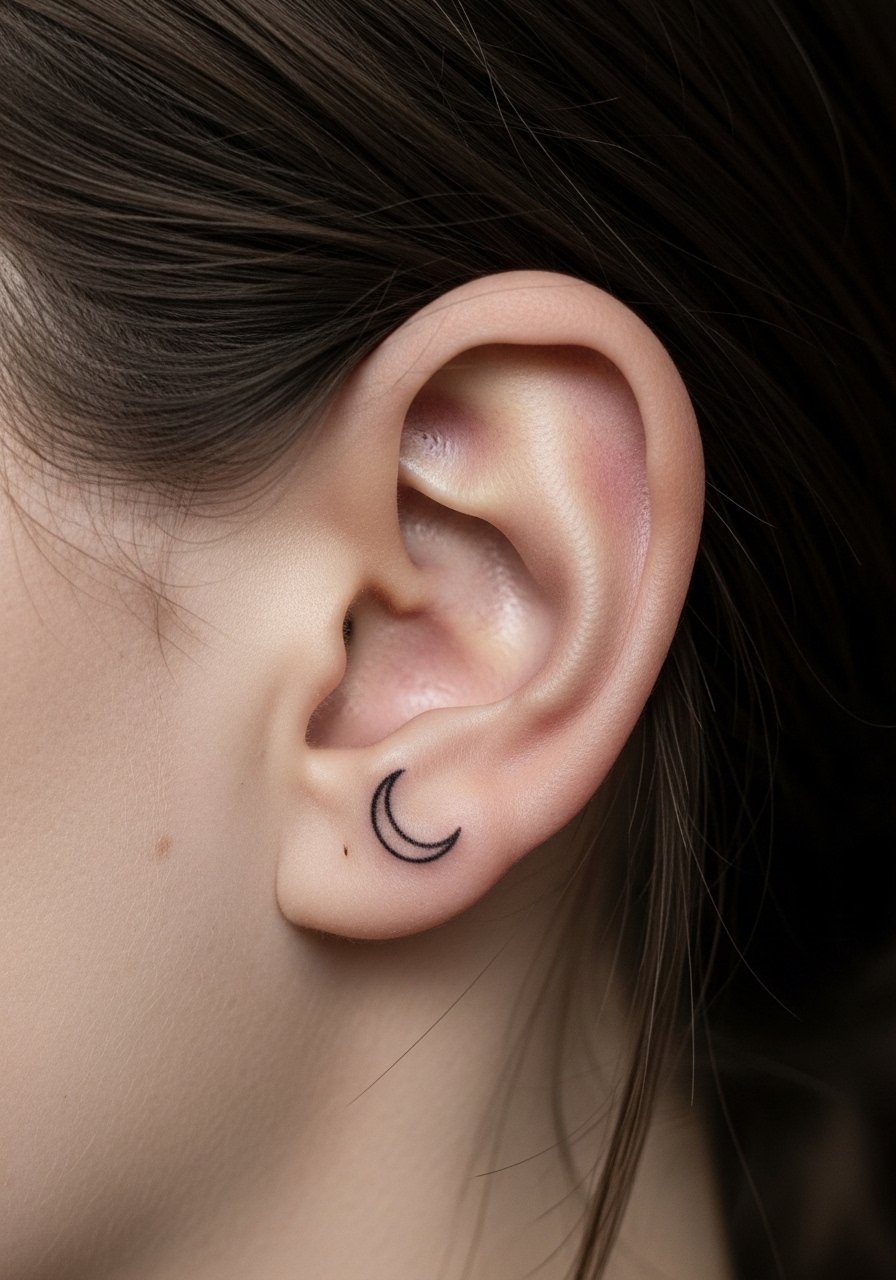
A tiny crescent is classic and ages well. Minimalist curves follow the ear's shape and sit nicely when your hair moves. Pain is minimal and healing is straightforward. Fine lines may soften over years, so ask for a touch more saturation than a single whisper line. This design is easy to hide and a safe bet if you worry about regret.
4. Tiny Traditional Rose Behind Ear
Style/Technique: Traditional / Neo-Traditional
Pain Level: Low-Medium (3/10)
Session Time: 30-60 minutes
Best For: Bold small color statement, holds up long
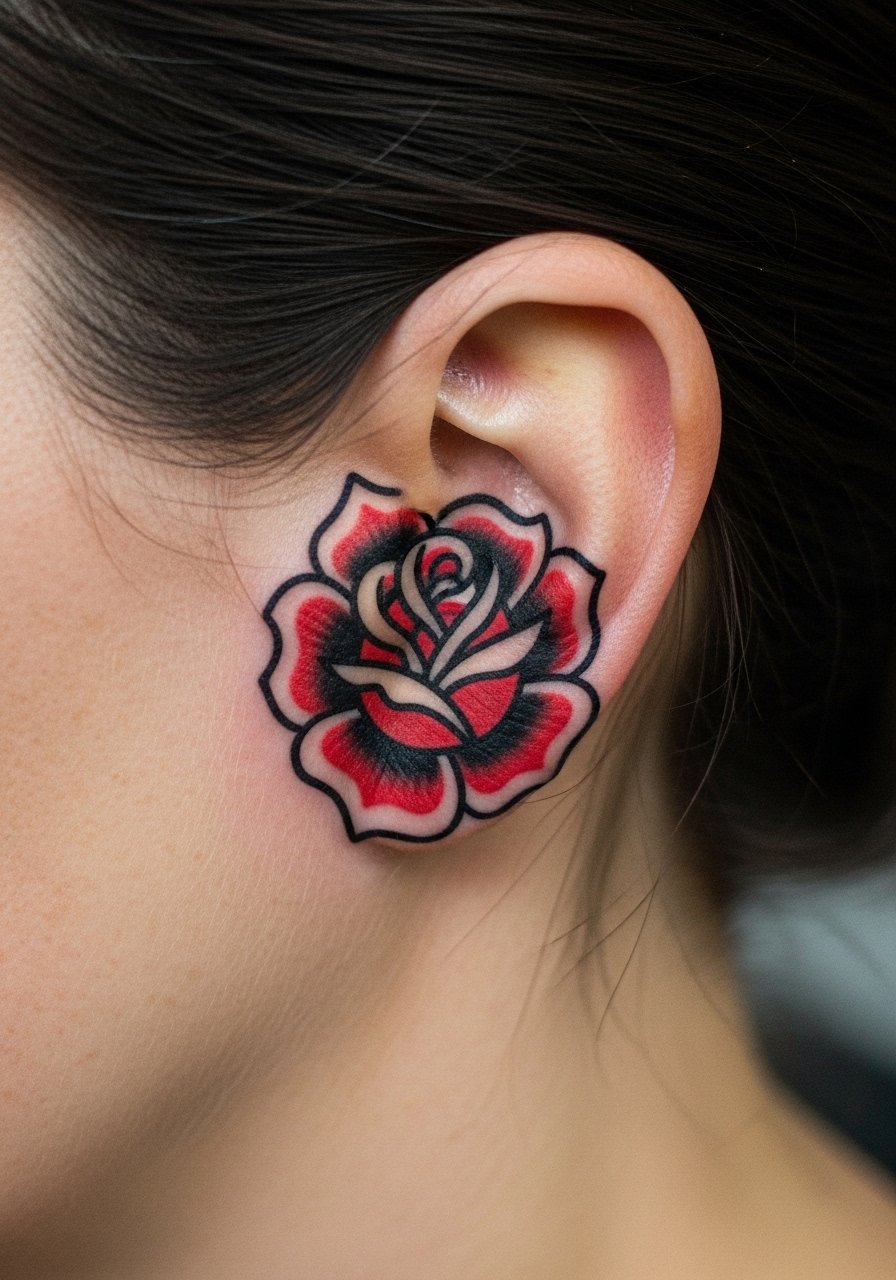
Traditional roses translate well to small behind-ear pieces because bold outlines stand up to healing. Color stays recognizable longer than pale pastels. Expect small stinging moments when shading. Healing is forgiving if you follow aftercare. A common mistake is asking for too many tiny color details—keep the palette simple so it reads healed.
5. Tiny Script Word Along Ear Fold
Style/Technique: Fine Line / Script
Pain Level: Medium (3-5/10)
Session Time: 30-90 minutes
Best For: Meaningful one-word tattoos, name initials
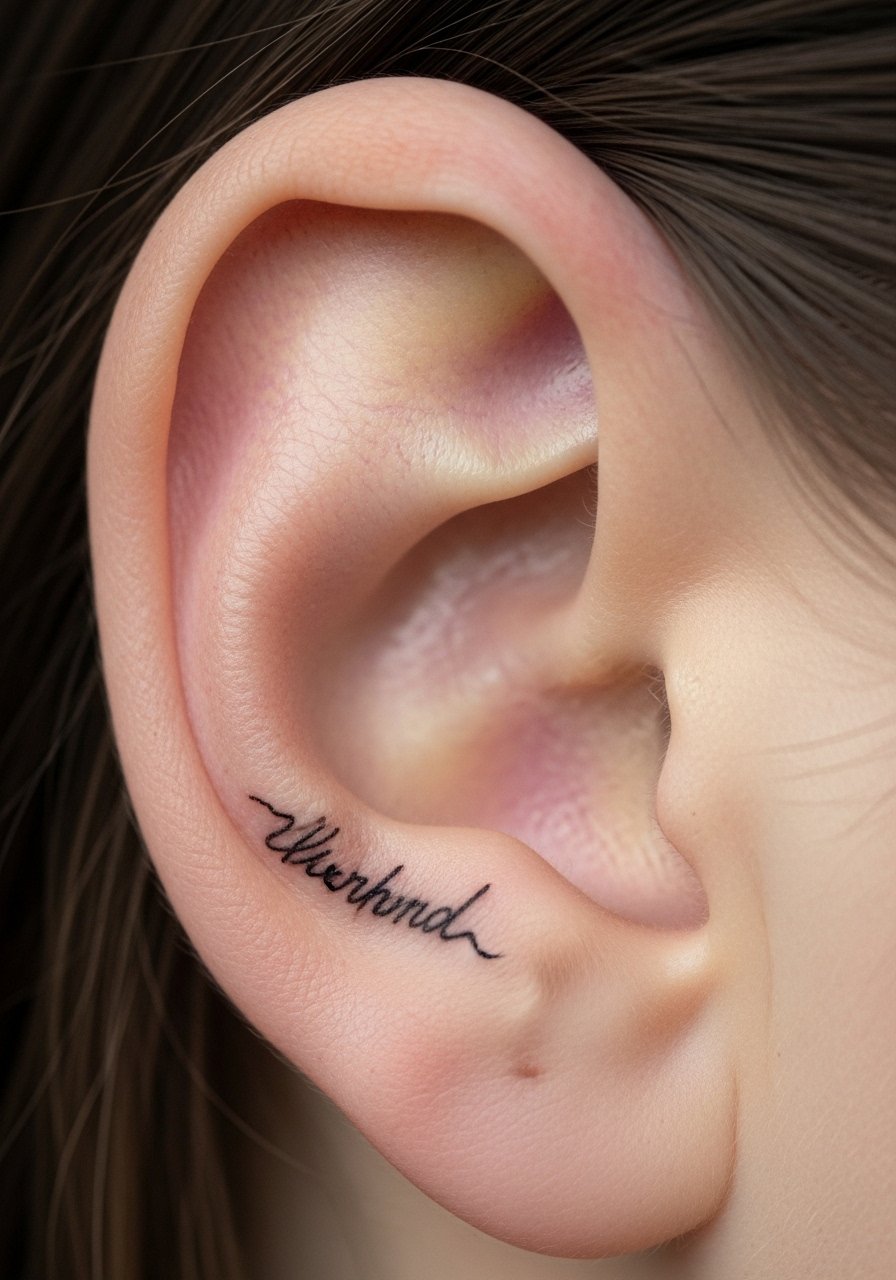
Script behind the ear can feel intimate. Curving text along the ear fold works visually but can blur if letters are too thin or cramped. Pain is moderate when the needle travels the curve. Healing needs careful protection from hair oils and shampoos. Ask your artist to space letters slightly and use a legible, tested script—they should show examples of healed text.
6. Micro Constellation Wrap to Hairline
Style/Technique: Minimalist / Dotwork
Pain Level: Low (2-3/10)
Session Time: 20-45 minutes
Best For: Subtle celestial vibes, customizable constellations
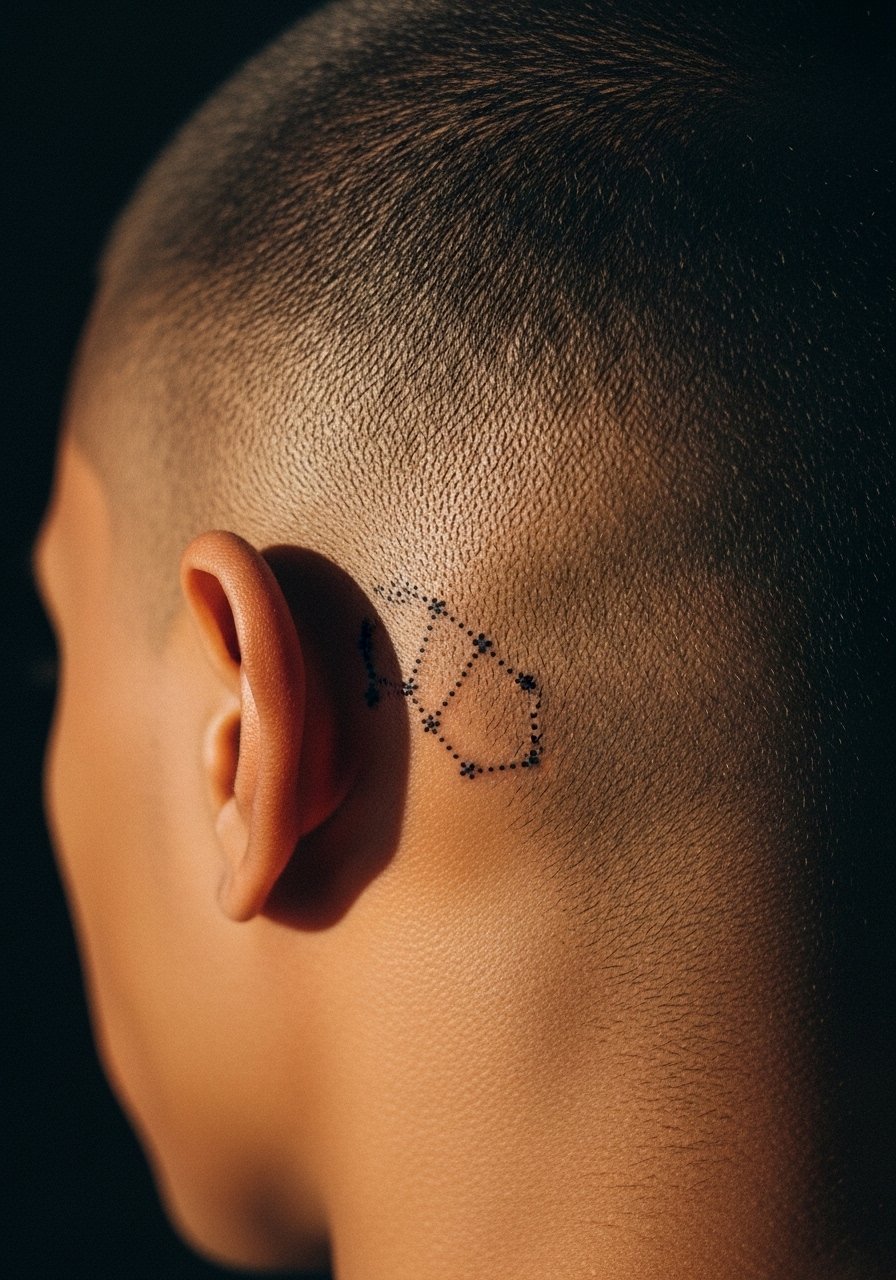
Constellations let you customize meaning without bold lines. Dots and tiny stars age well if spaced properly. Pain is gentle. Healing is simple but avoid rubbing with hairbrushes. I like this when people want a piece that reads differently when hair moves. Don't cluster dots too close—spacing keeps it readable years later.
7. Tiny Music Note Behind Ear
Style/Technique: Minimalist / Line Work
Pain Level: Low (2/10)
Session Time: 15-30 minutes
Best For: Musicians and music lovers
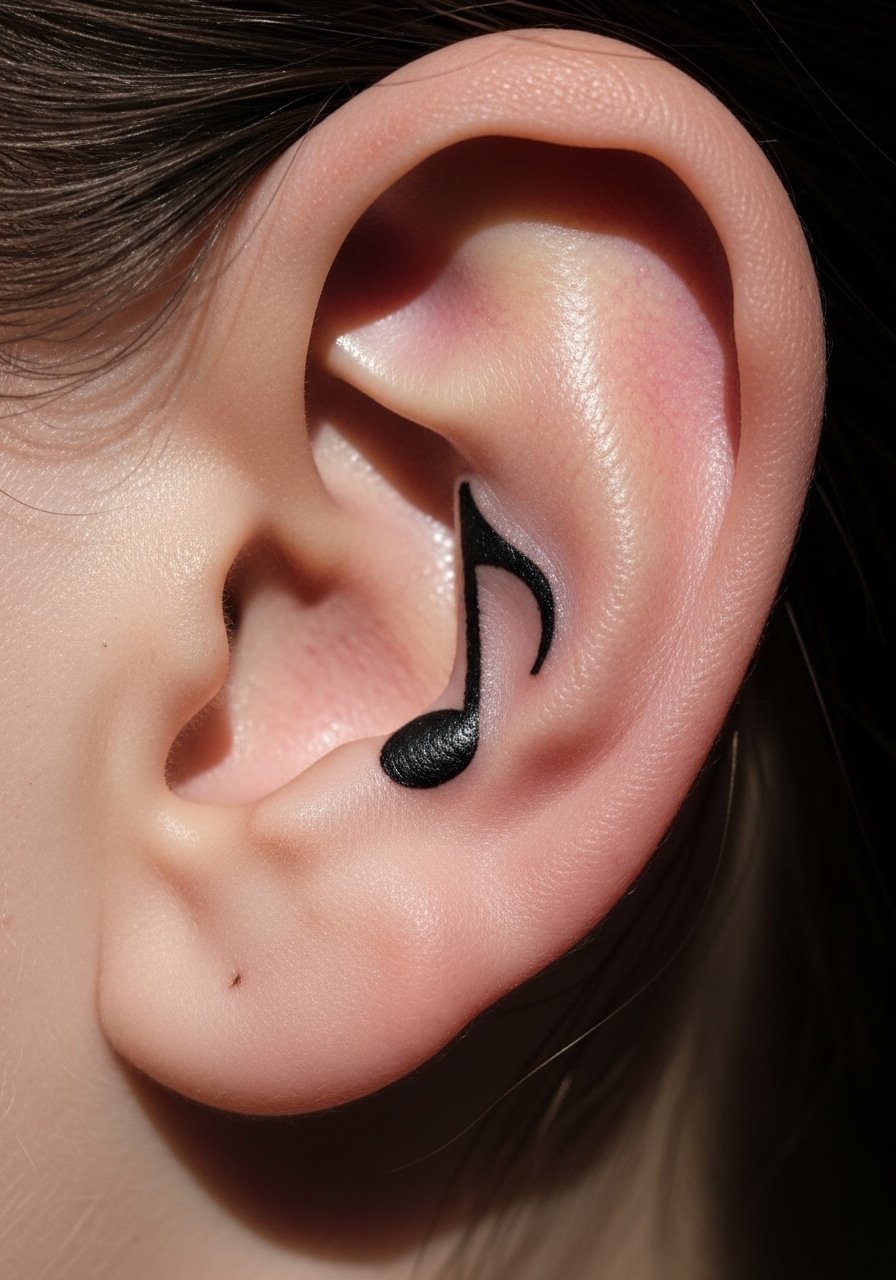
This motif is classic for behind-ear placement because it's playful and discreet. The note holds up well—black ink wins for longevity. Pain is minimal, and sessions are quick. Keep the line weight moderate; ultra-thin notes can lose shape. Mention the obvious: avoid placing it where earrings will rub during healing.
8. Blackwork Geometric Dot Behind Ear
Style/Technique: Blackwork / Geometric
Pain Level: Medium (3-4/10)
Session Time: 45-75 minutes
Best For: Graphic, high-contrast small designs
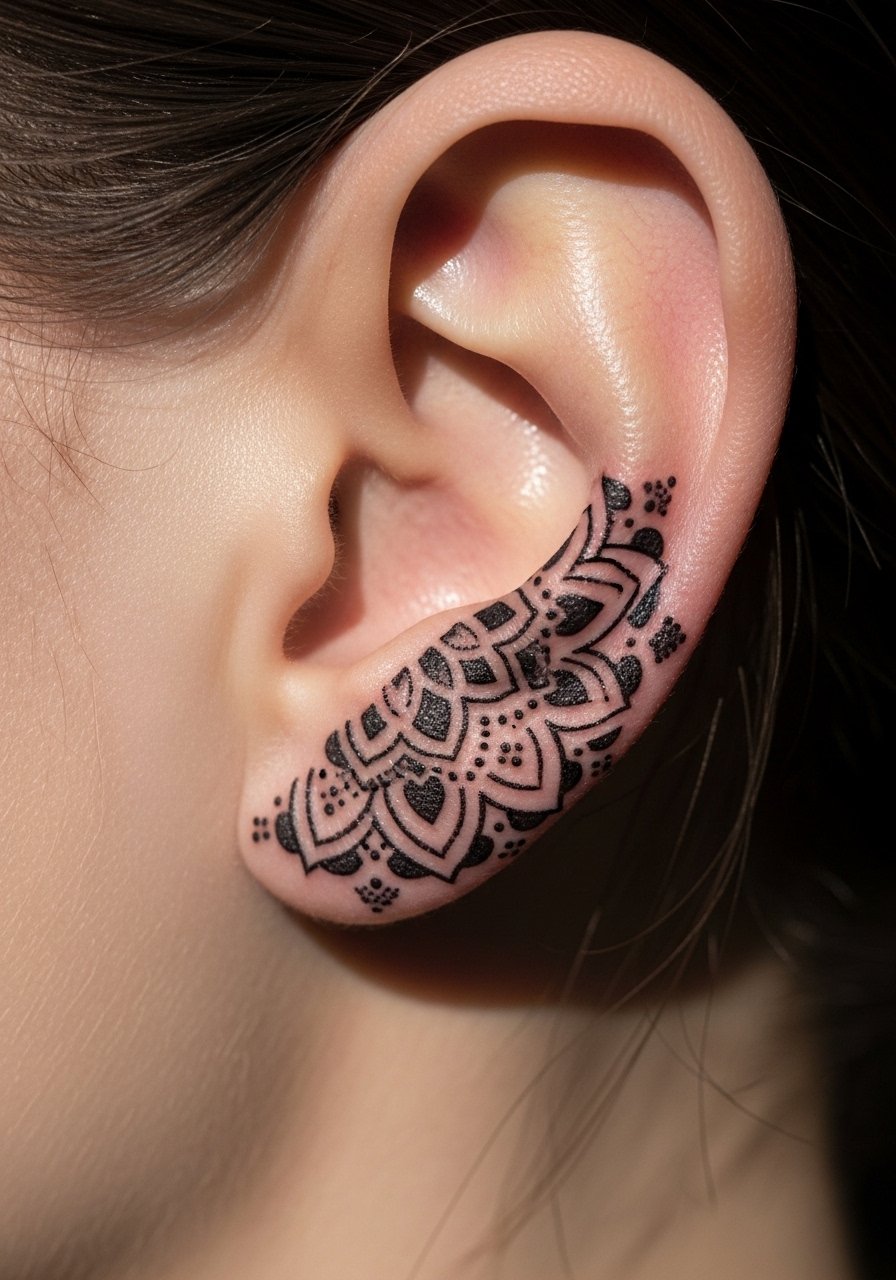
Geometric fragments or small mandala bits look striking here. Solid black and dotwork create contrast against the skin and hair. Expect moderate discomfort during filling. Healing is straightforward but can scab if over-layered—follow moisturization advice. I recommend an artist experienced in dotwork so lines and negative space read after healing.
9. Tiny Anchor at Ear Lobe Base
Style/Technique: Traditional Mini / Line Work
Pain Level: Low (2/3)
Session Time: 20-40 minutes
Best For: Nautical fans, discrete symbols
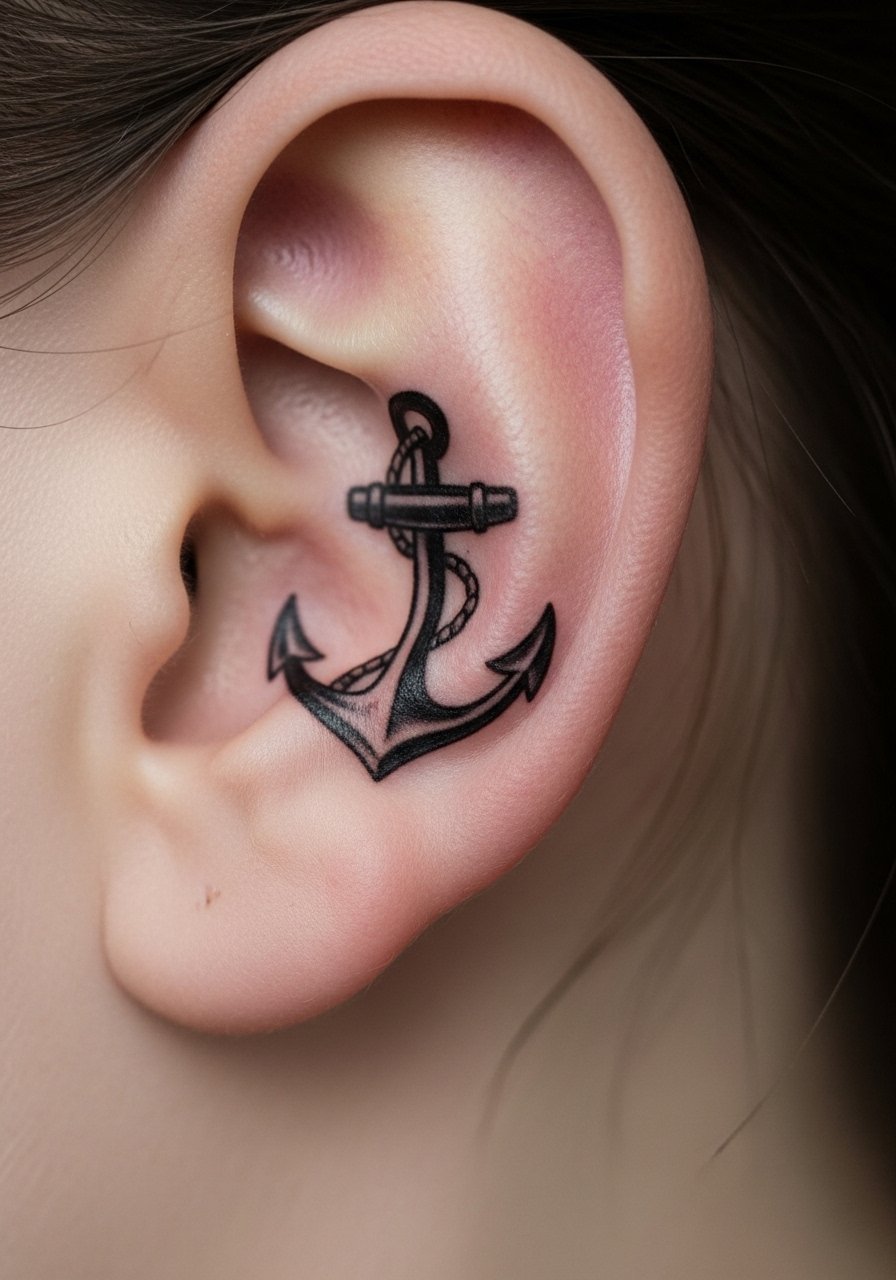
Anchors are timeless and simple to execute behind the ear. Bold lines avoid early blur. Pain is usually just a sharp pinch. Healing is quick if you keep shampoo off it for the first few days. Avoid overly intricate shading; a small, confident outline holds meaning and shape longer.
10. Tiny Watercolor Splash Behind Ear (Negative-Space)
Style/Technique: Watercolor / Negative-Space
Pain Level: Medium (3-5/10)
Session Time: 30-60 minutes
Best For: Color peek-a-boo, feminine looks
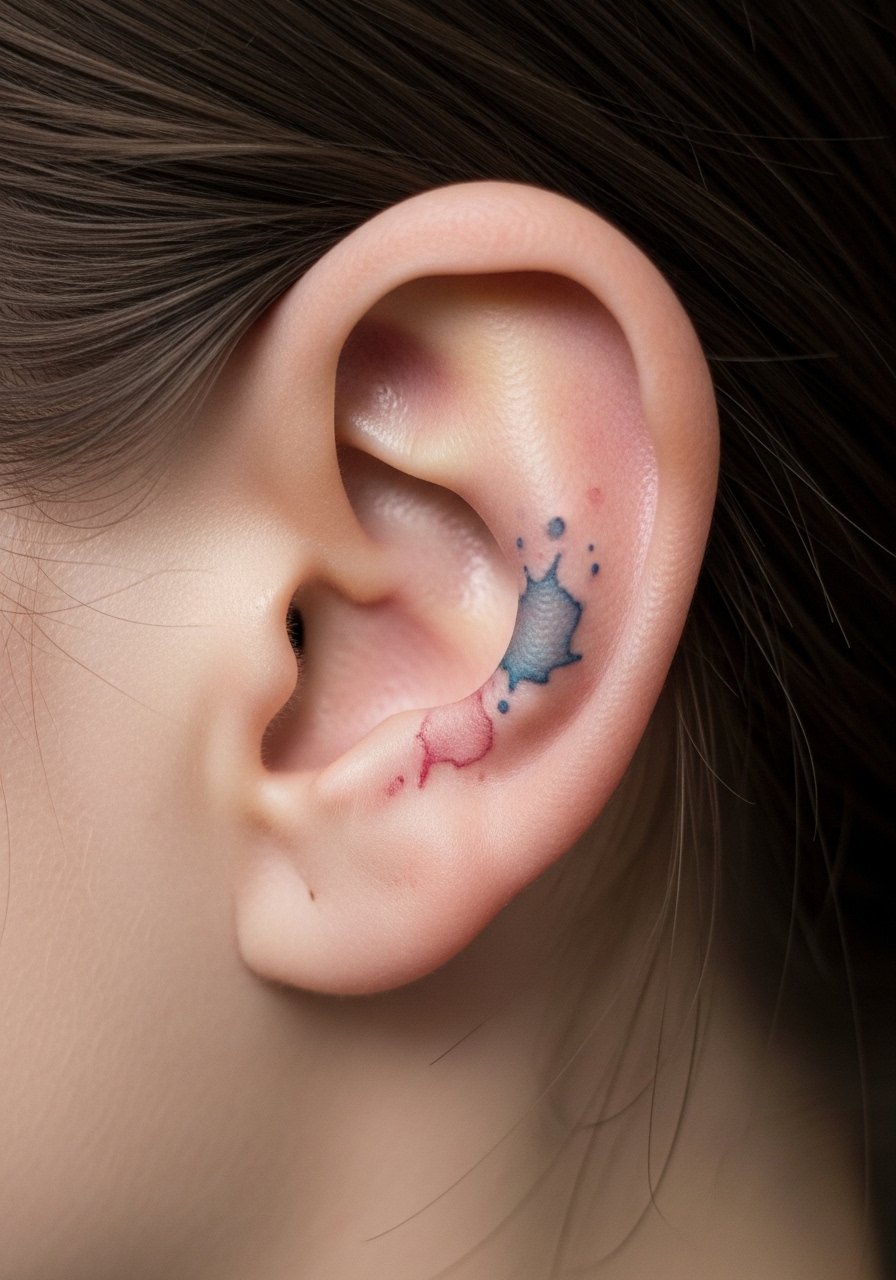
Watercolor behind the ear can be lovely, but color fades faster here—especially pastels. I recommend muted jewel tones and plenty of negative space to preserve form. Pain is moderate if shading covers area. Expect some early dulling during healing; colors often require touch-ups later. Ask your artist how they saturate color for longevity and avoid neon pastels.
11. Tiny Feather Following Ear Curve
Style/Technique: Fine Line / Illustrative
Pain Level: Low (2-3/10)
Session Time: 30-50 minutes
Best For: Airy, motion-focused design
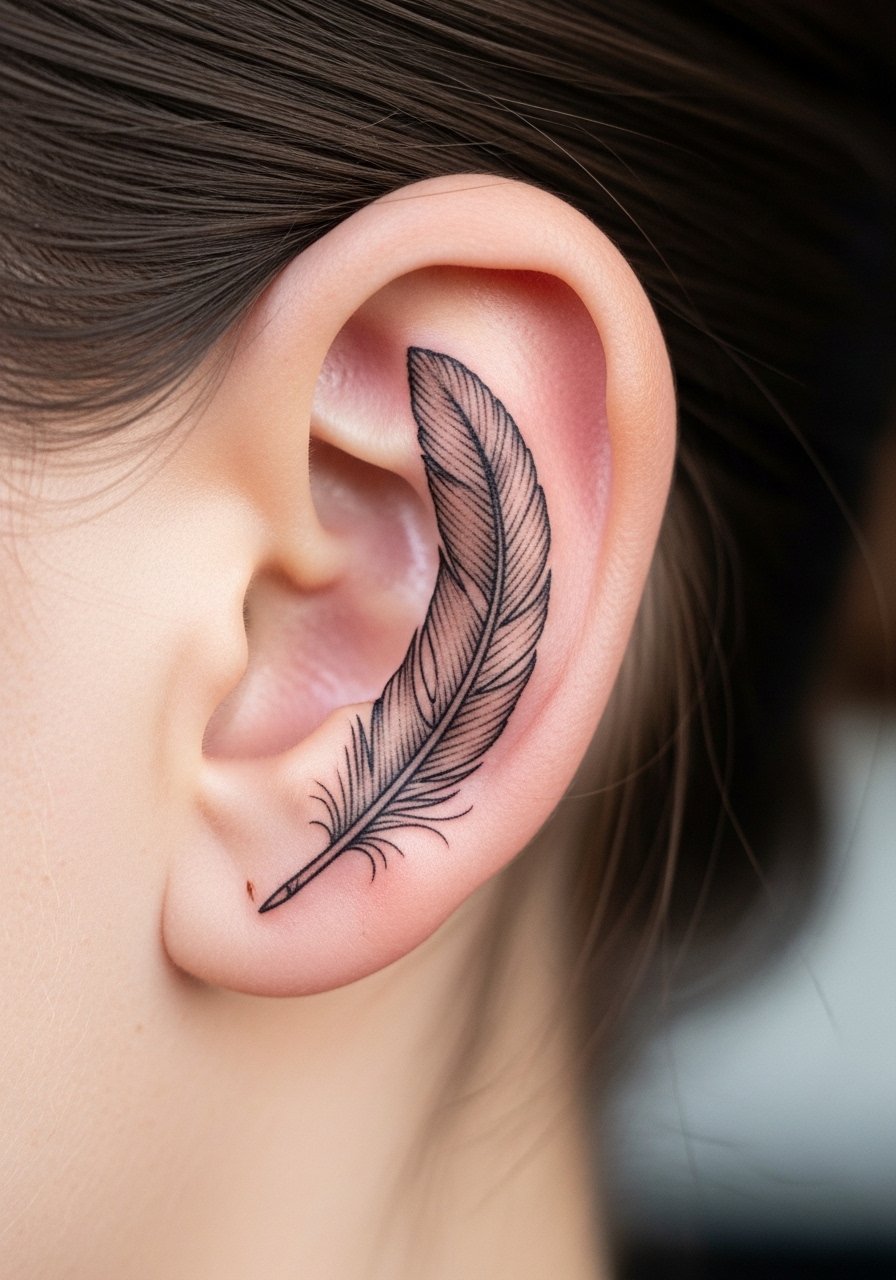
A feather's organic curve fits the ear anatomy well. Fine lines create a floating feel. Pain stays low. Keep linework slightly reinforced so barbs don't fade into a smear. I’ve seen feathers lose detail if artists use paper-thin lines—ask for proof of healed feathers from your artist.
12. Tiny Planet with Orbit Line
Style/Technique: Minimalist / Micro-Realism
Pain Level: Low (2-3/10)
Session Time: 20-40 minutes
Best For: Space lovers, subtle statement
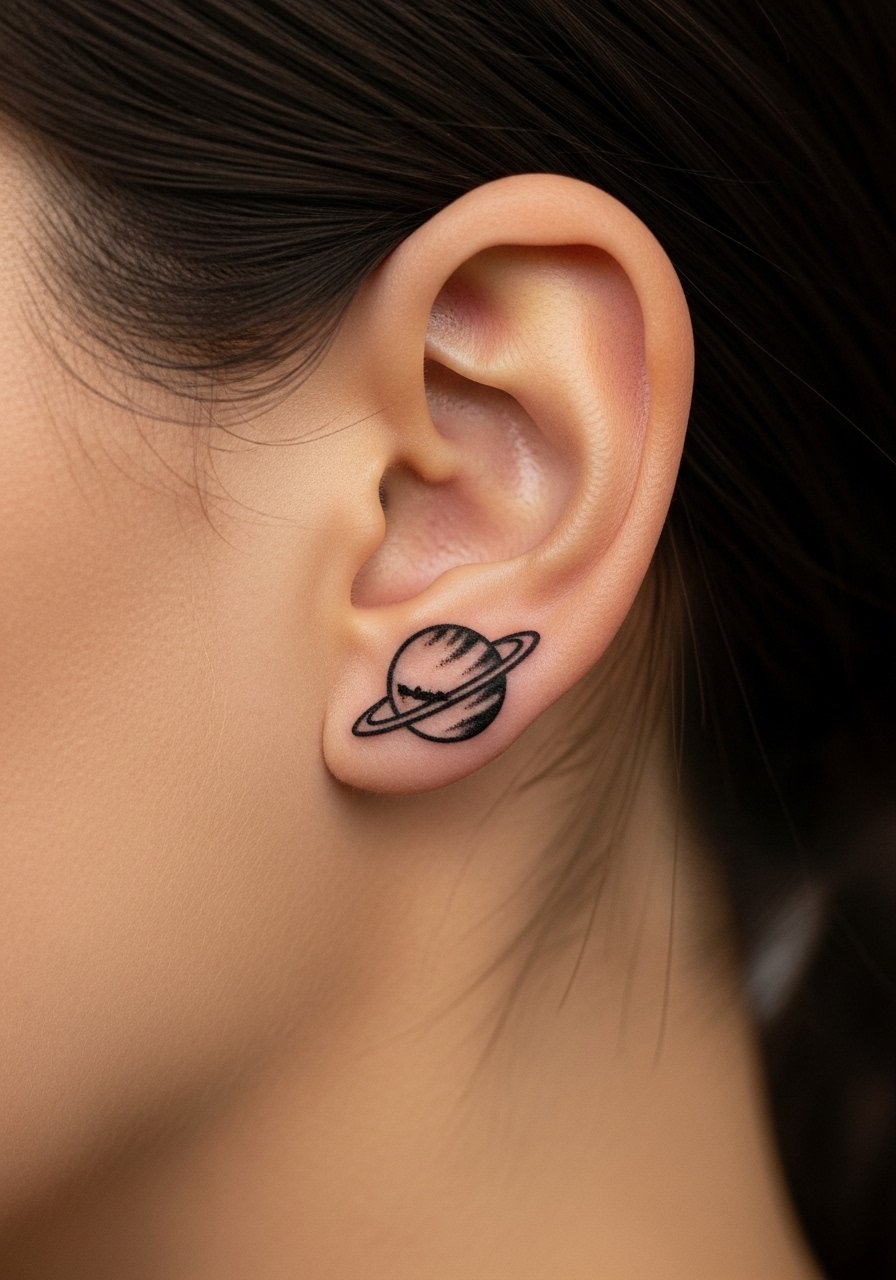
A tiny planet with a thin orbit reads like a secret symbol. Black or dark gray ink keeps it crisp. Pain is minimal because area is small. Healing is quick but avoid hair products that can irritate the area. Keep orbits thin but not hairline-fine—solid micro-lines look better over time.
13. Tiny Heart Outline Behind Ear
Style/Technique: Minimalist / Line Work
Pain Level: Low (1-2/10)
Session Time: 15-30 minutes
Best For: Romantic, discreet ink
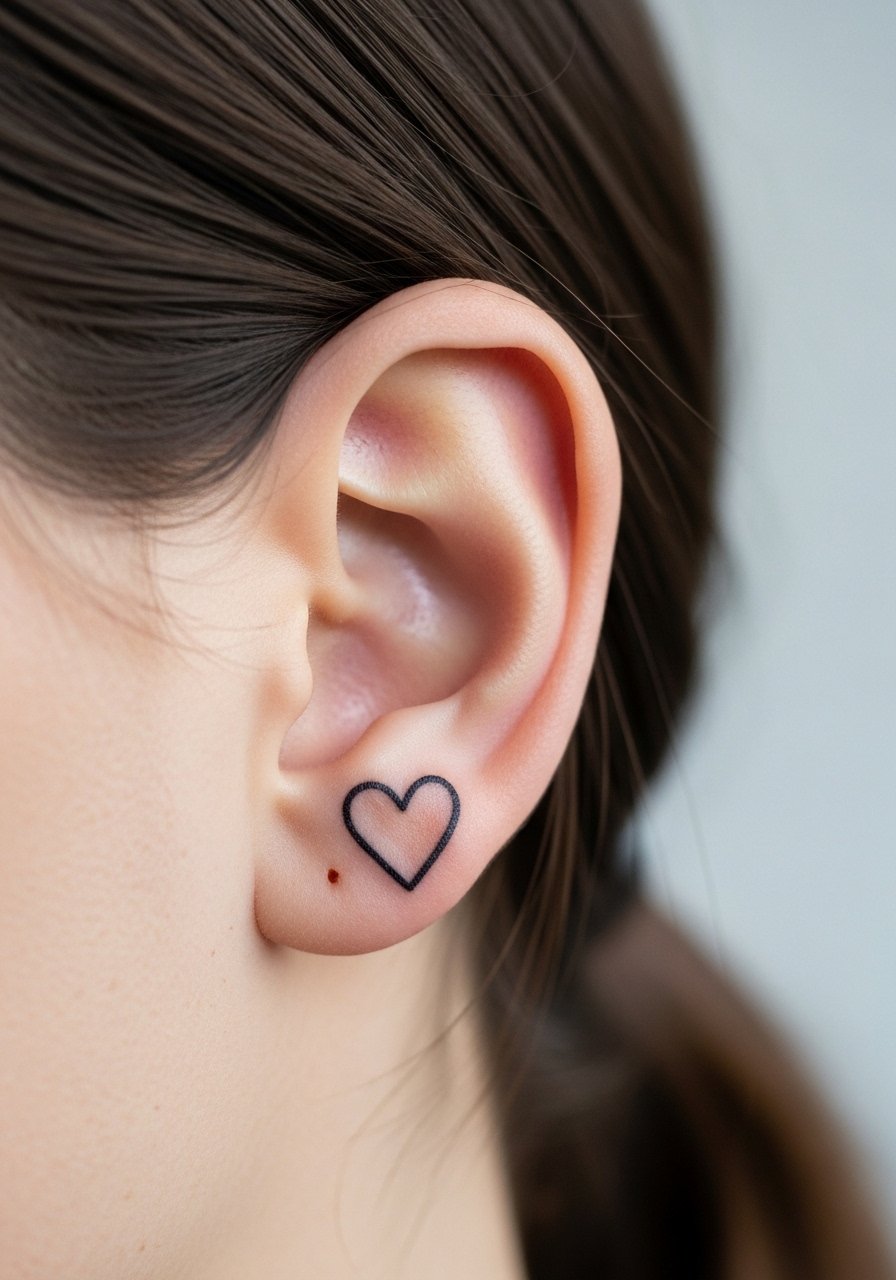
Hearts here are sweet and require almost no recovery downtime. They’re low-pain and fast. The single outline can blur if done too thin. I suggest a slightly bolder outline for longevity. It’s an easy first tattoo and hides well under hair.
14. Tiny Compass Point Behind Ear
Style/Technique: Fine Line / Micro-Illustrative
Pain Level: Medium (3-4/10)
Session Time: 30-60 minutes
Best For: Travel-minded, directional symbolism
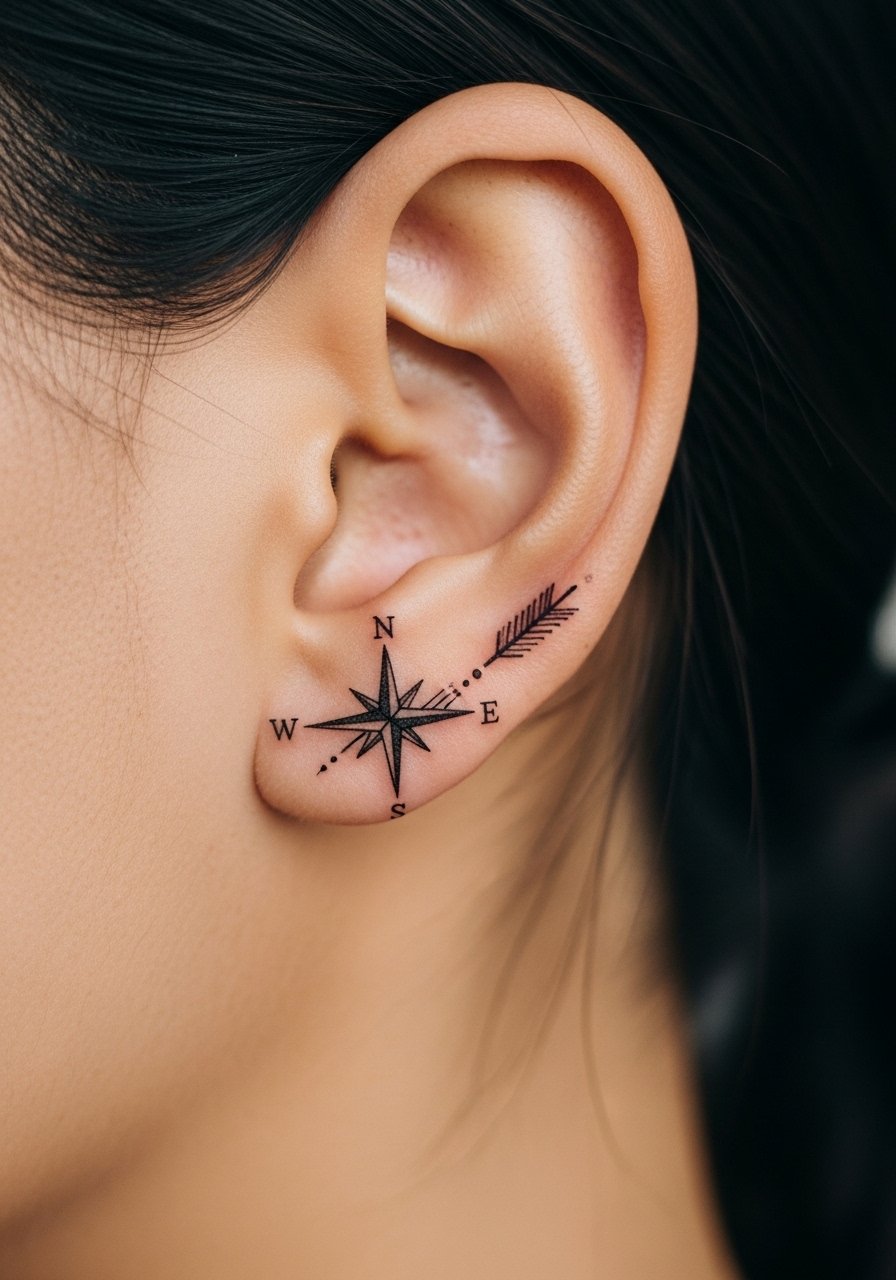
A tiny compass point gives a hint of meaning without shouting. The detail must be kept minimal so it doesn’t blur. Pain is moderate when the needle crosses curved areas. Healing needs attention to keep lines crisp—avoid picking scabs. Ask for bold enough points to read at arm's length.
15. Tiny Paw Print Behind Ear
Style/Technique: Minimalist / Micro-Realism
Pain Level: Low (2/10)
Session Time: 15-30 minutes
Best For: Pet memorials, subtle reminders
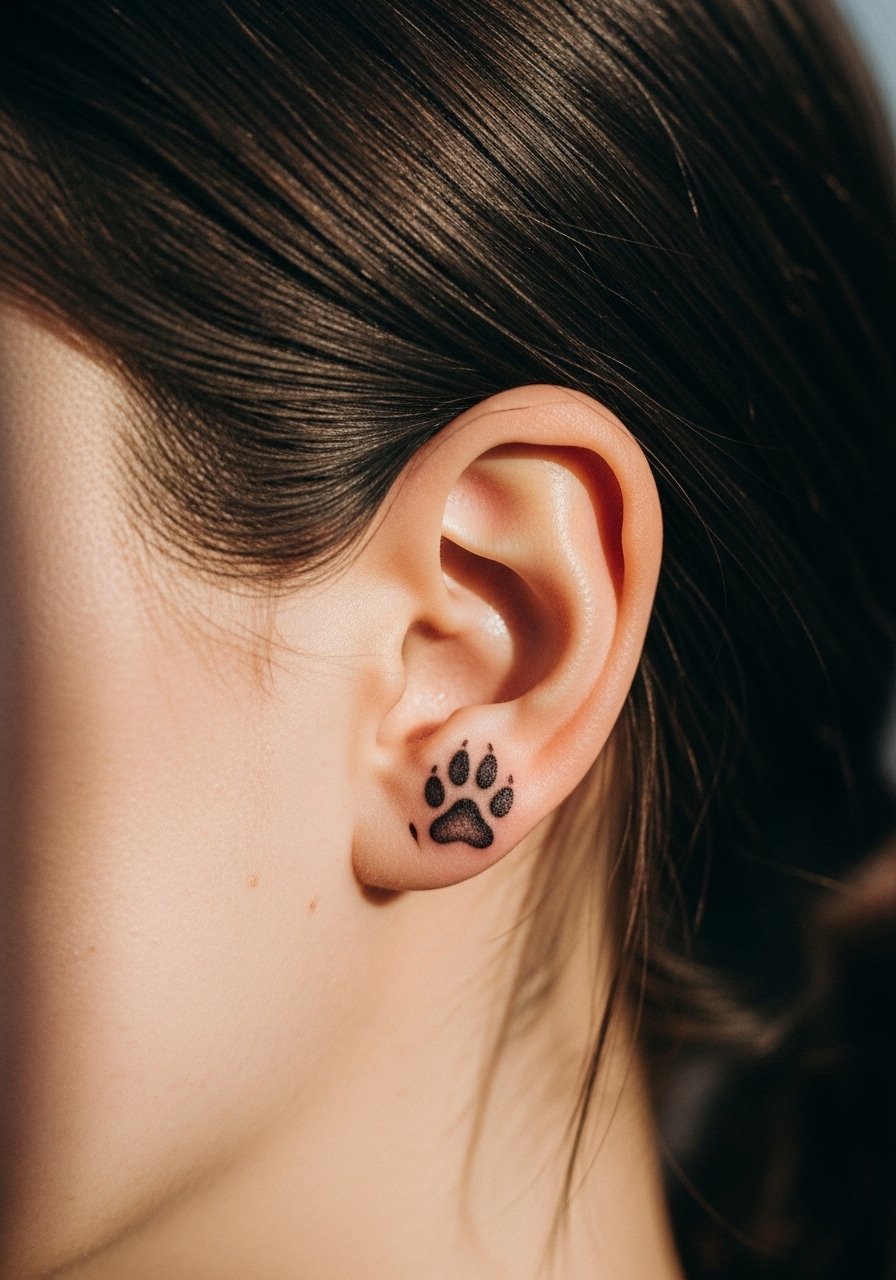
Paw prints are sentimental and translate well into the behind-ear niche. They’re low-pain and look adorable peeking above the hairline. For realism, keep pads slightly filled. I recommend asking to see healed paw prints so you know how the artist handles tiny filled shapes.
16. Tiny Lightning Bolt Edge of Ear
Style/Technique: Minimalist / Bold Line
Pain Level: Low (2-3/10)
Session Time: 15-25 minutes
Best For: Edgy, graphic micro tattoos
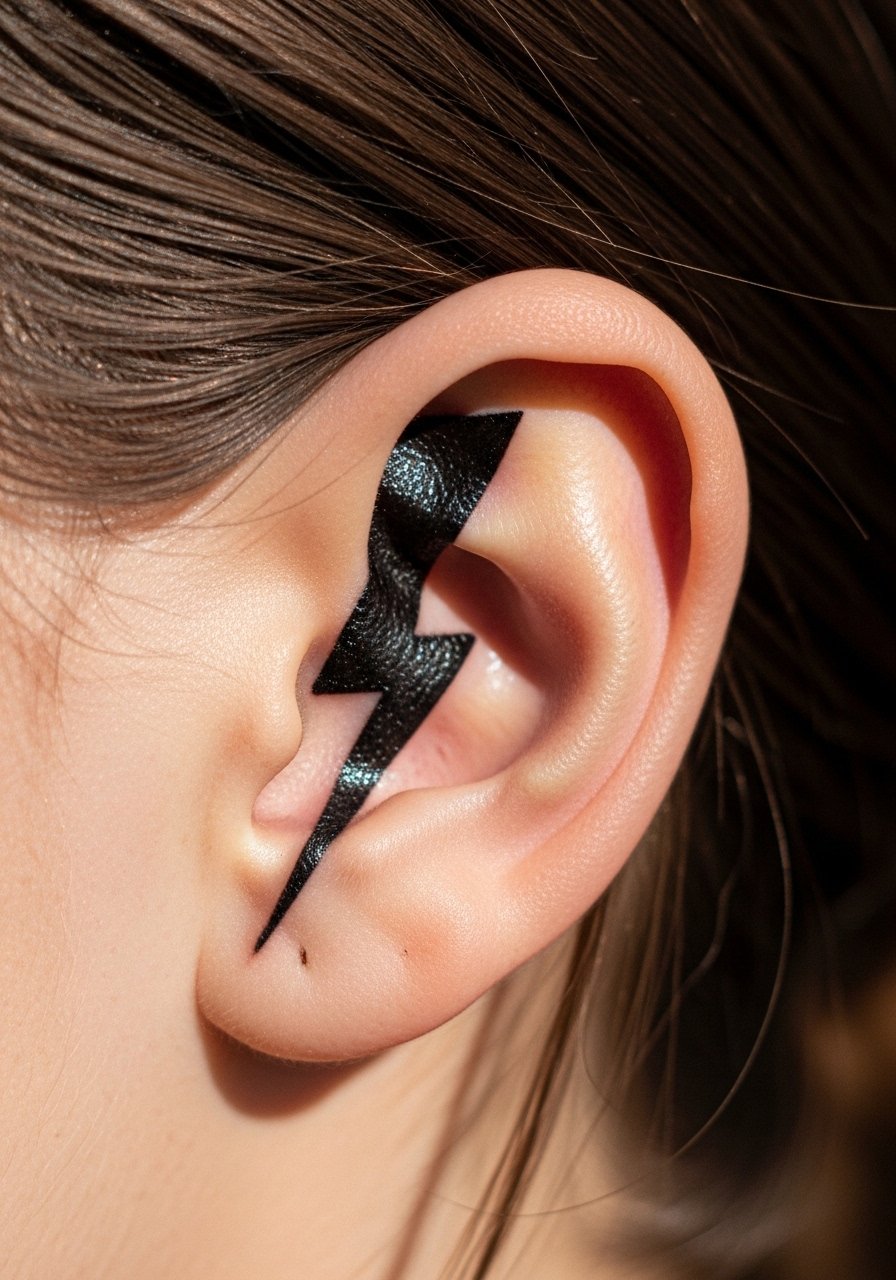
A tiny bolt adds attitude and is easy to place along the ear edge. It holds up because of bold, simple geometry. Healing is easy. Avoid overly skinny bolts; choose solid lines that endure. This is a good placement if you want something visible when hair’s up.
17. Tiny Floral Cluster Along Hairline
Style/Technique: Neo-Traditional Mini / Fine Line
Pain Level: Medium (3-4/10)
Session Time: 30-60 minutes
Best For: Feminine, decorative accents
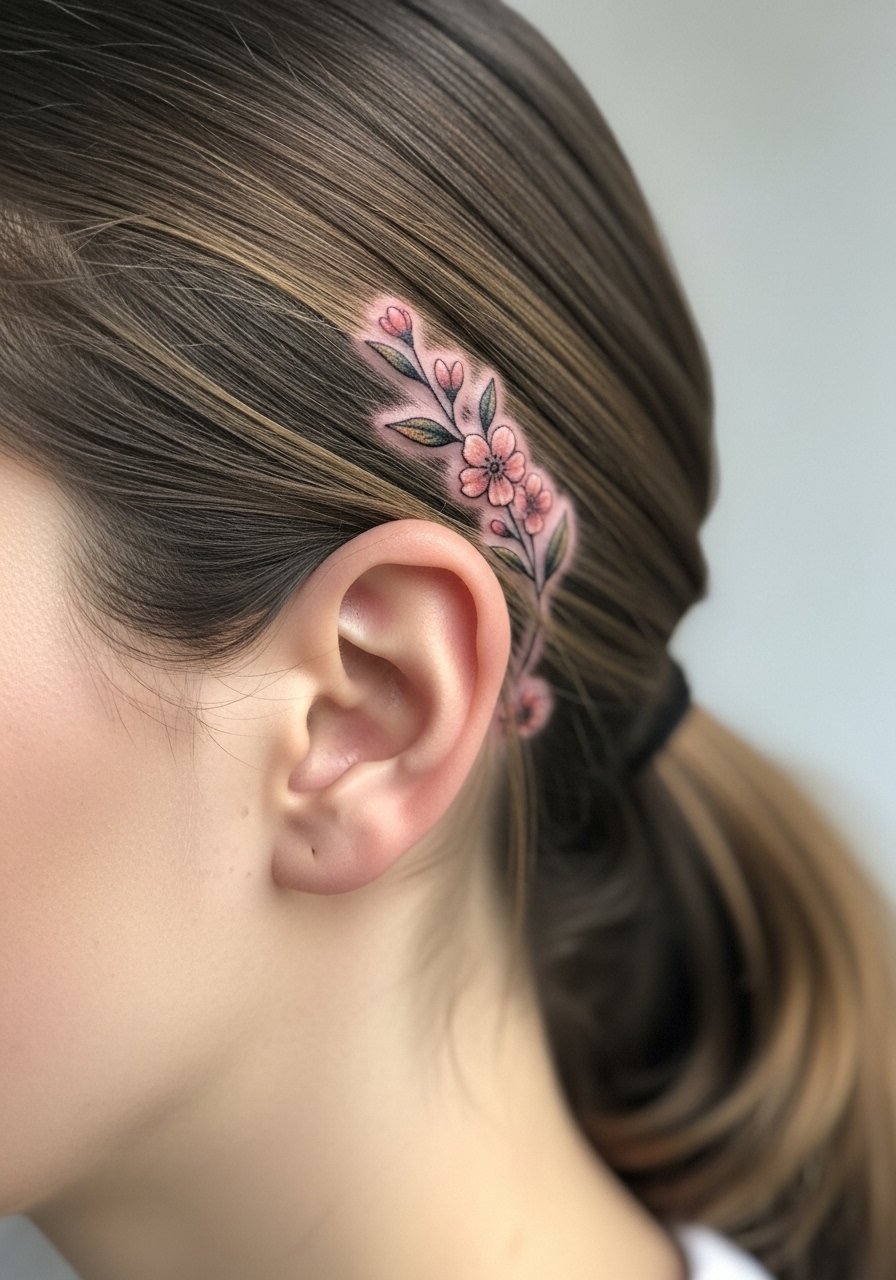
A cluster of tiny blooms looks like a natural extension of the hairline. Color adds charm but fades faster—black outlines help maintain shape. Pain sits in the low to medium range. I advise simple petal shapes and modest color saturation so the piece ages gracefully.
18. Tiny Arrow Following Ear Rim
Style/Technique: Minimalist / Line Work
Pain Level: Low (2-3/10)
Session Time: 20-40 minutes
Best For: Directional symbol, discreet design
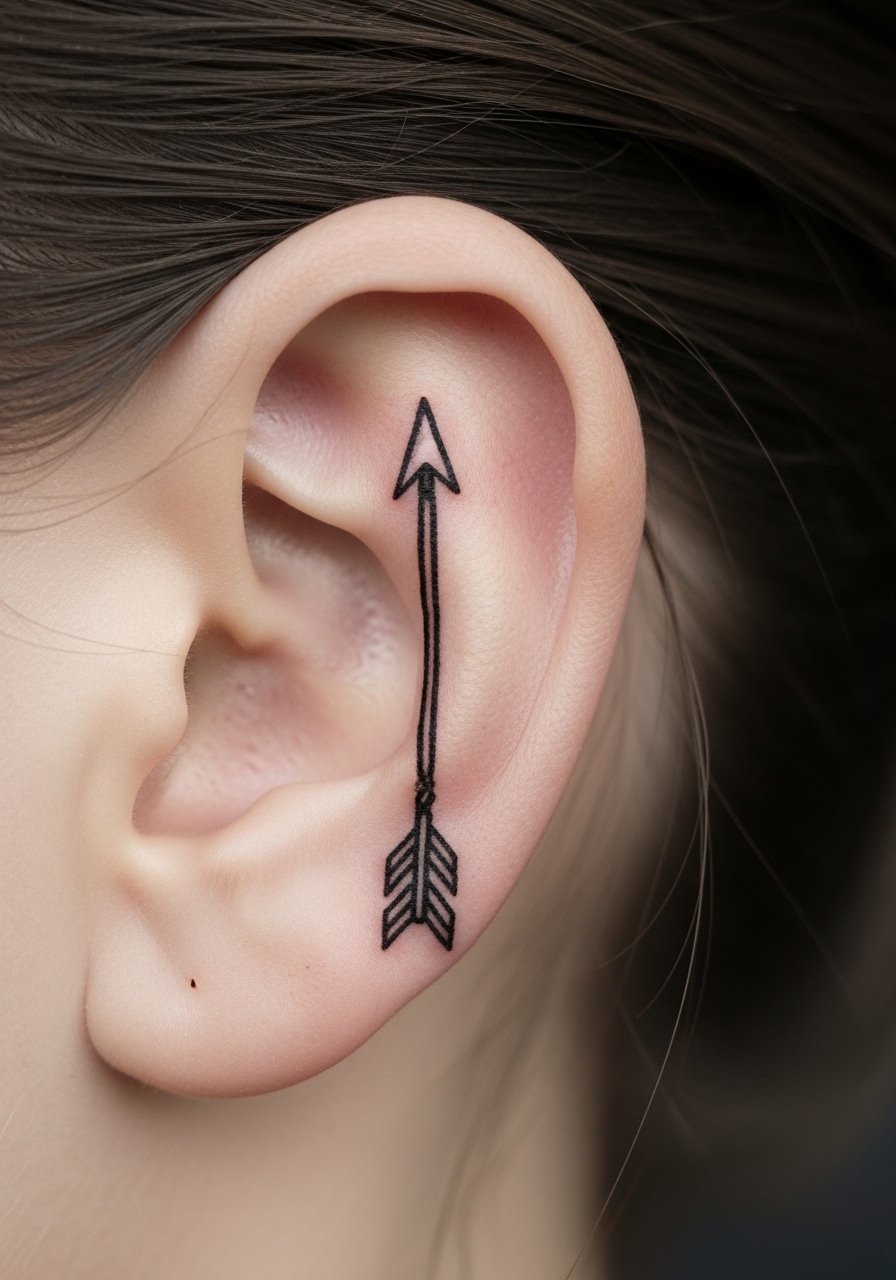
Arrows read cleanly and feel purposeful. Placing one along the rim uses the ear’s natural line. Keep the shaft slightly thicker than a whisper line. Healing is quick. People often pick thin shafts—avoid that to preserve the crispness.
19. Tiny Script Initials Hidden in Fold
Style/Technique: Fine Line / Script
Pain Level: Medium (3-4/10)
Session Time: 20-45 minutes
Best For: Hidden personalization
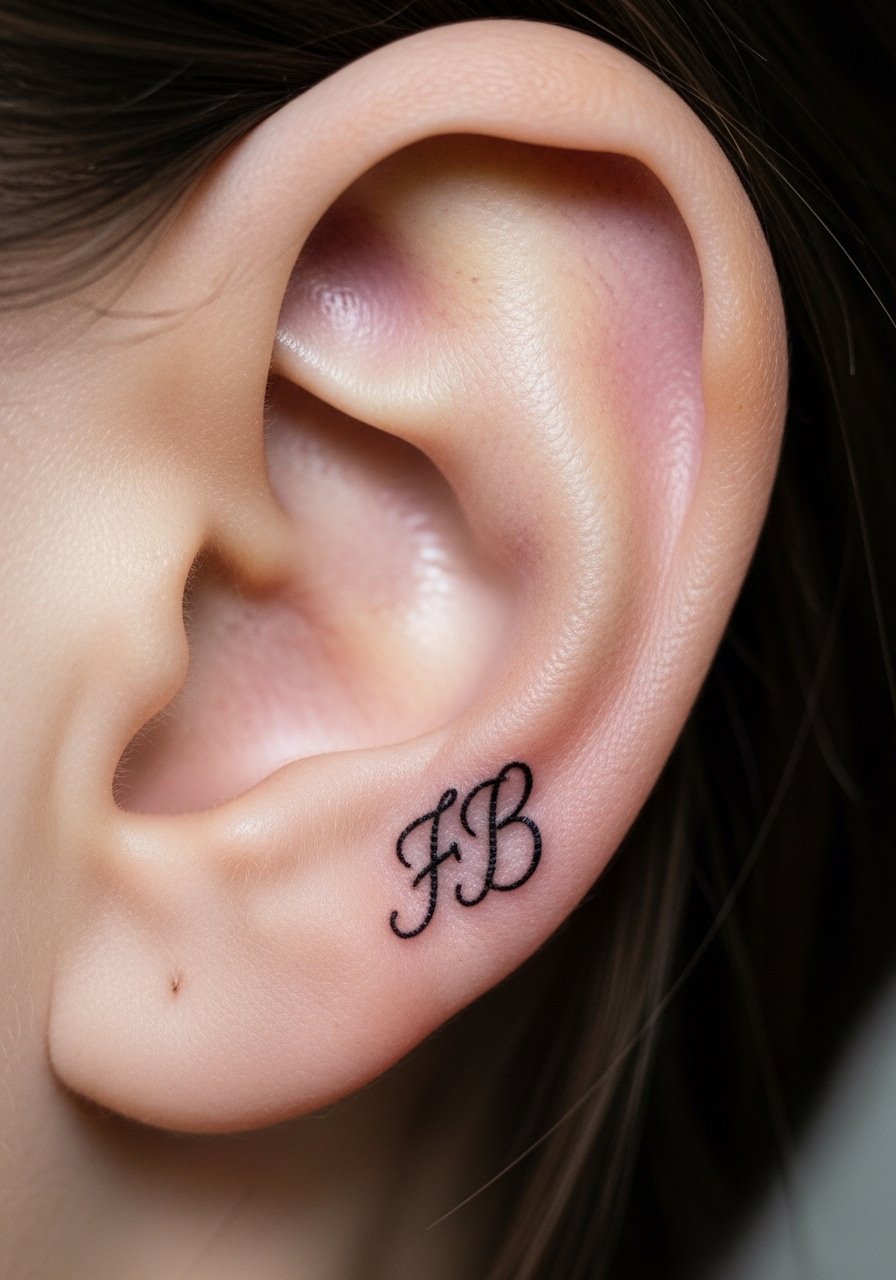
Initials tucked into folds are private and sentimental. Curved placements can cause letters to distort if too small—use slightly larger, spaced script. Pain is moderate along folds. Expect a careful healing phase where you should keep hair and products away.
20. Miniature Eye With Tiny Lash Detail
Style/Technique: Micro-Realism / Fine Line
Pain Level: Medium (3-5/10)
Session Time: 30-60 minutes
Best For: Protective symbolism, unique focal piece
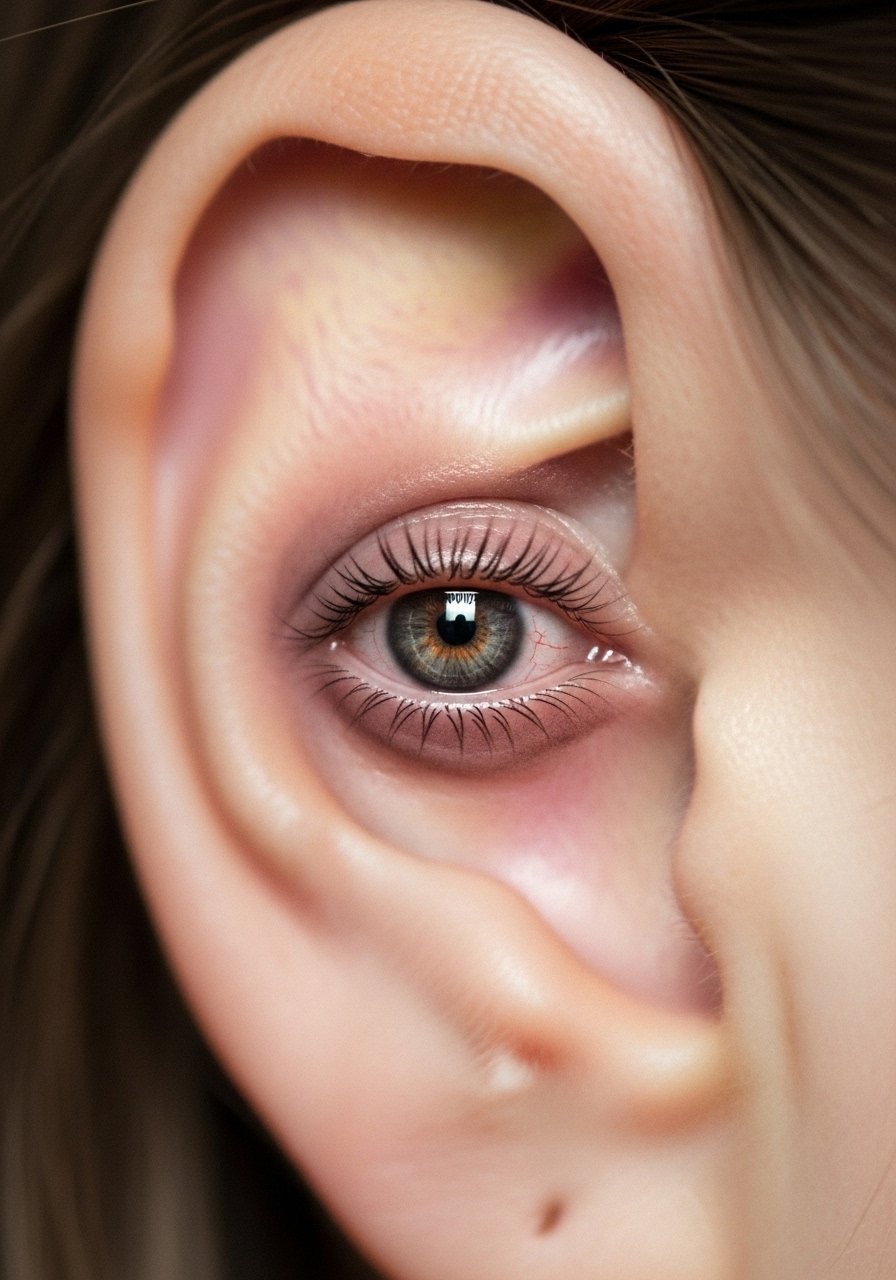
An eye motif reads as mystic and personal. Tiny shading is attractive but can blur if overdone. Pain is moderate when shading. I’ve noticed eyes heal into subtle shapes—ask the artist for healed examples of micro eyes and for conservative shading.
21. Tiny Floral Mandala Fragment
Style/Technique: Fine Line / Dotwork
Pain Level: Medium (3-4/10)
Session Time: 45-75 minutes
Best For: Decorative, ornamental accents
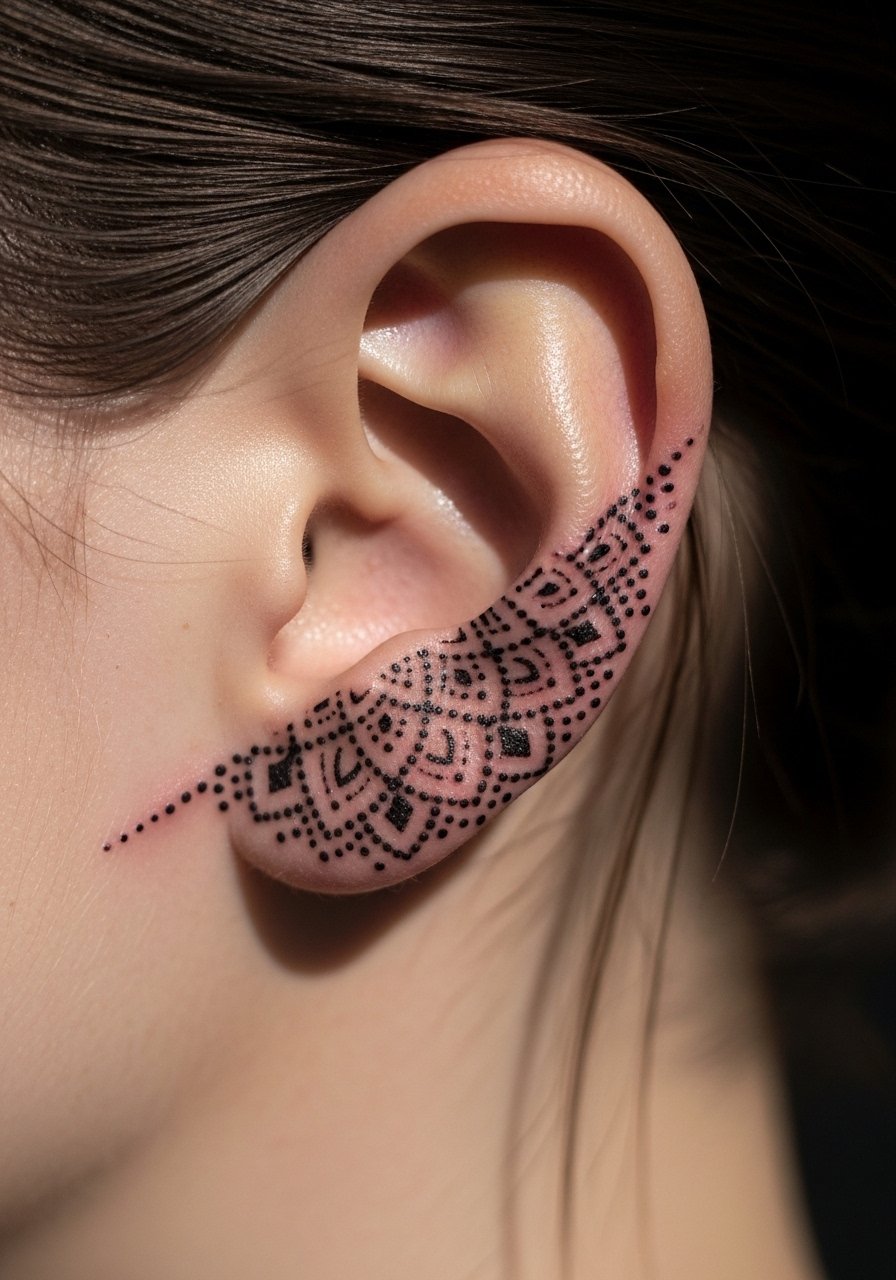
Fragments of mandalas give the feel of a larger piece without the commitment. Dotwork holds well if spaced correctly. Pain is moderate during dotwork. Common mistake: over-detailing small mandalas. Ask for simplified geometry that breathes.
22. Tiny Bar Code Line Work (Minimalist)
Style/Technique: Minimalist / Graphic Line
Pain Level: Low (2-3/10)
Session Time: 15-30 minutes
Best For: Modern, graphic micro tattoo
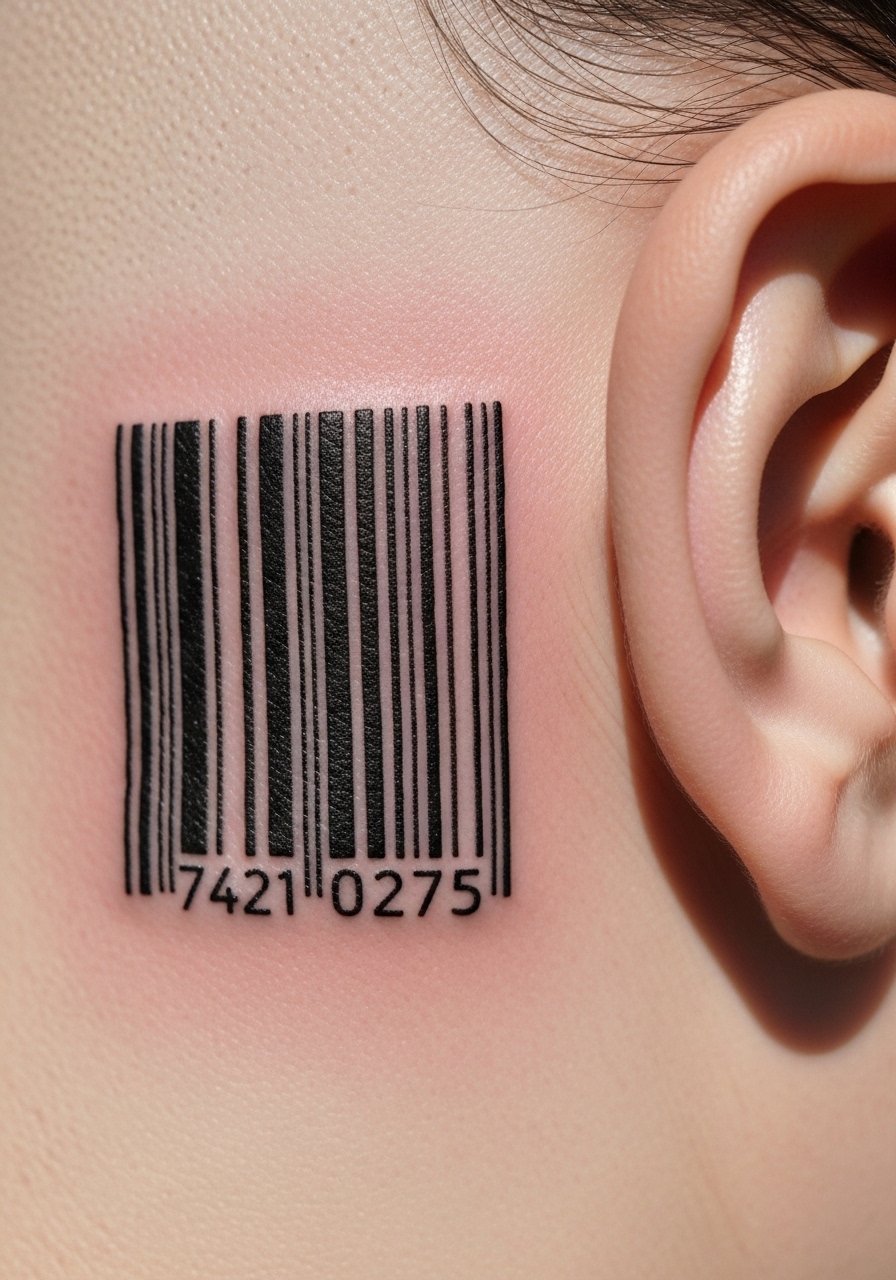
Graphic lines read modern and neat behind the ear. They’re low-pain and striking in contrast. Overly thin bars can blur; make sure bars have enough weight. This is a good choice if you want a contemporary look that stays readable.
23. Tiny Script in Another Language Curving With Ear
Style/Technique: Fine Line / Script / Cultural Script
Pain Level: Medium (3-5/10)
Session Time: 30-60 minutes
Best For: Meaningful foreign words or short phrases
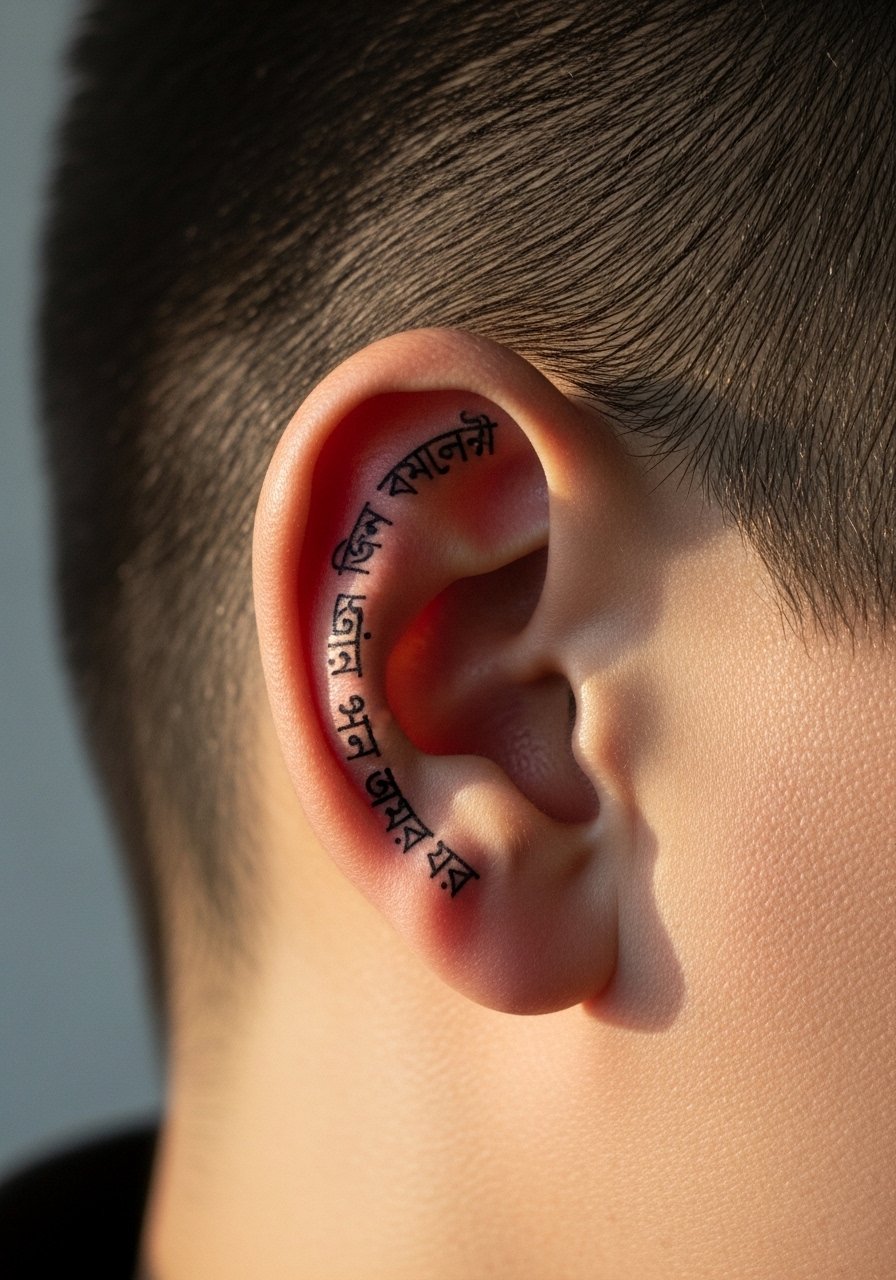
Curved foreign script can be deeply meaningful and elegantly placed. Accuracy matters—double-check spelling and cultural context. Pain is moderate along curved folds. I recommend artists who have experience with that script and can show healed examples. Avoid extremely intricate calligraphy in this small area.
Tattoo Prep and Aftercare Essentials
Aftercare Essentials:
- Aquaphor Healing Ointment, 14oz tube — Great for the first 3-5 days to prevent drying
- Saniderm Transparent Adhesive Bandage, 6-inch roll — Use for the initial protective barrier if your artist approves
- CeraVe Fragrance-Free Moisturizing Lotion — For days 4-14 to keep the area hydrated
- Dr. Bronner's Unscented Castile Soap, 32oz — Gentle soap for daily cleaning
Before Your Appointment:
- Numbing Cream 5% Lidocaine — Apply only if your artist agrees, 30-45 minutes before
- Tattoo Stencil Transfer Paper, 25 Sheets — Useful if sketching placement at home
Long-Term Maintenance:
- SPF 50 Sunscreen Stick For Tattoos — Daily use to prevent fading
- Mad Rabbit Tattoo Balm, 2oz — Keeps healed ink vibrant
- Hustle Butter Deluxe, 2oz — Vegan aftercare alternative
Optional Comfort Items:
- Tattoo Numbing Spray — For touch-ups or especially sensitive spots
- Hydrocolloid Bandages, Large — For protecting small scabs or preventing snagging by hair
I’ve included both tried-and-true aftercare and artist-recommended options. Use Saniderm only if your artist approves. For behind-the-ear spots, keep hair away and be cautious with hair products while the tattoo heals.
Frequently Asked Questions
Q: How bad does a tattoo behind the ear actually hurt?
A: Pain is usually low to medium. I rate most behind-ear pieces around 2–4/10—sharp pinches along the fold, but short sessions. If you’re nervous, ask about numbing cream 5% lidocaine, but check with your artist first.
Q: How long does a behind-the-ear tattoo take to heal?
A: Surface healing is 2–3 weeks. Full settling takes a couple months. Keep it clean with Dr. Bronner's Unscented Castile Soap and moisturize with CeraVe Fragrance-Free Lotion. Avoid heavy hair products in the first week.
Q: Will tiny lines blur behind the ear?
A: Some will. From what I’ve seen, ultra-fine single-needle lines often soften. Ask for slightly stronger line weight or a touch of shading. Artists who specialize in micro work can show healed examples—insist on seeing them.
Q: Can I sleep on a fresh behind-ear tattoo?
A: Try to sleep so the tattoo isn’t pressed into your pillow. Use a clean pillowcase and consider a light gauze if your artist recommends it. Avoid sweating and tight hats that rub the area.
Q: How do I prevent fading on a behind-ear tattoo?
A: Sunscreen is essential once healed. I recommend an SPF 50 sunscreen stick for easy, targeted application. Also keep skin moisturized with Mad Rabbit Tattoo Balm.
Q: What if I regret a small behind-ear tattoo?
A: Sit with your idea for a while before booking. If regret happens, removal is possible but involved. If you’re unsure, choose tiny, easily coverable placements or designs you truly relate to.
Q: Do tattoos behind the ear look different on darker skin tones?
A: Yes. Black and deep gray ink show best across tones. Bright pastels can appear muted on deeper skin. I always tell people to ask artists for healed examples on similar skin tones to set expectations.
Q: Can I wash my hair after getting a behind-ear tattoo?
A: Yes—gently. Use a mild soap like Dr. Bronner's and avoid scrubbing the area. Pat dry and keep hair products away until the tattoo is mostly healed.