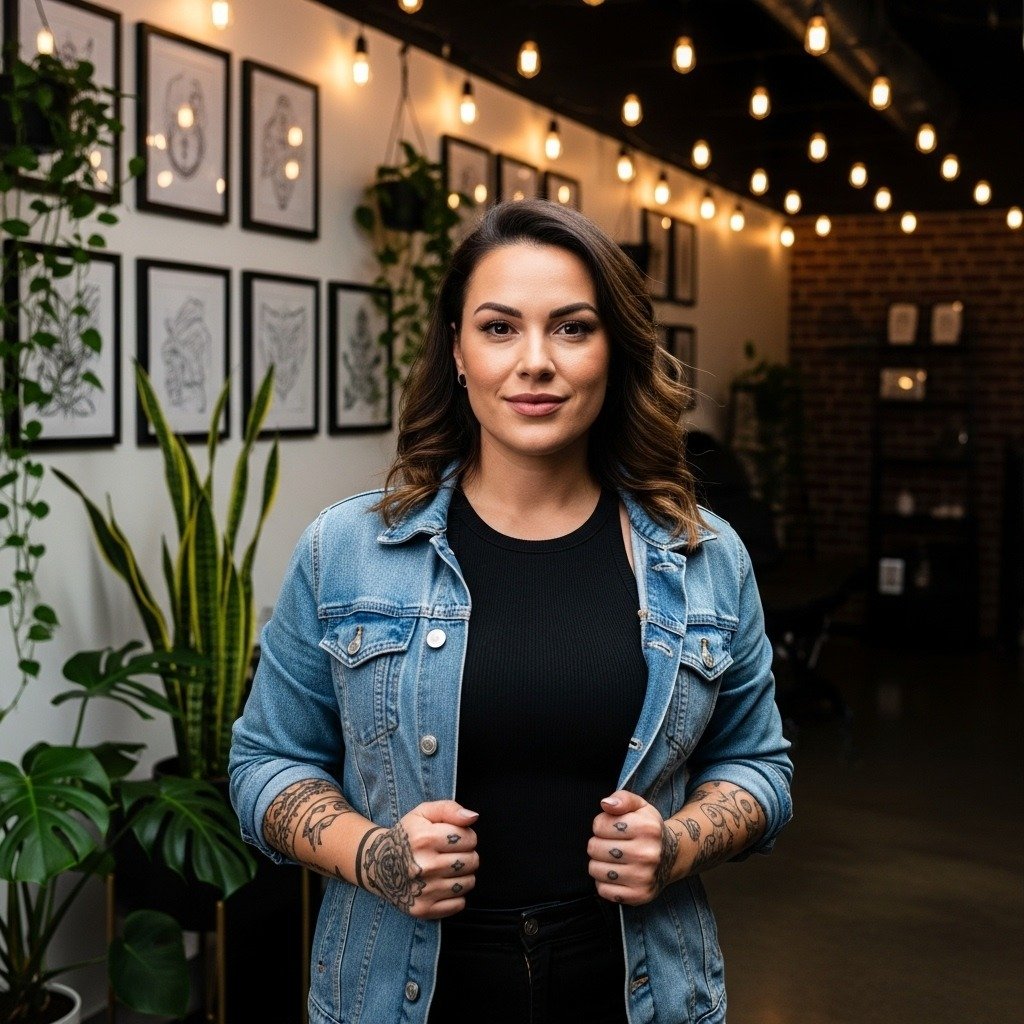
I spent months collecting memorial tattoo ideas after losing someone close. The hardest part wasn't picking a symbol—it was finding a style that would still feel intimate years from now. These 23 memorial tattoos are designs I kept circling back to during my research and conversations with artists. Each one balances feeling and longevity so your tribute ages with you.
This list focuses on meaningful, timeless memorial tattoos across common placements: chest, forearm, ribs, and behind the ear. I watched 2026 trends shift toward personal details—handwriting, soundwaves, and DNA-inspired motifs—and picked ideas that hold up healed.
1. Fine Line Handwritten Name on Chest
Style/Technique: Fine Line / Script
Pain Level: Medium (4/10)
Session Time: 1-2 hours
Best For: Personal, intimate placement, visible with low-cut tops
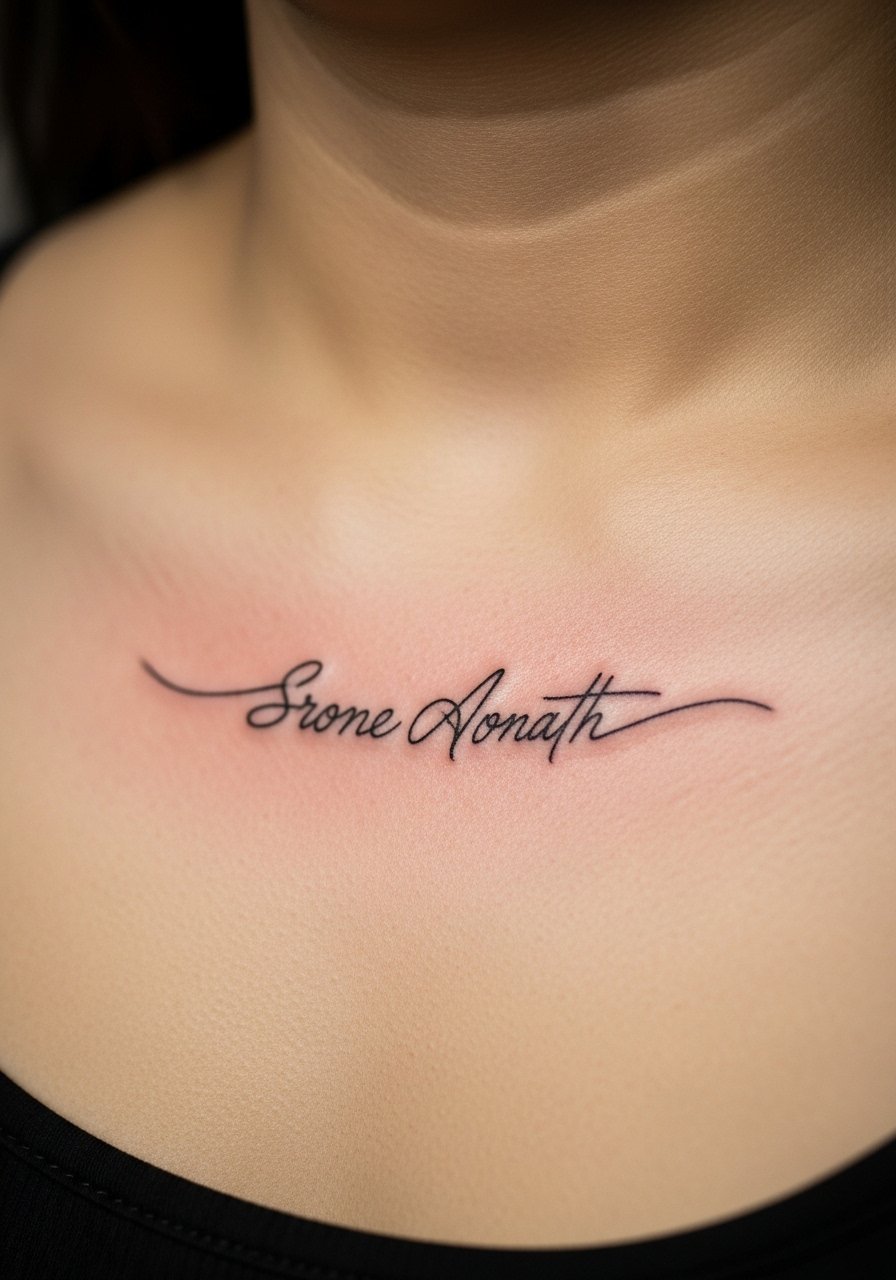
I had a loved one’s handwriting traced for my chest piece. Fine line script reads like a whisper over your heart. Chest skin is thicker but moves with breath, so expect a steady buzzing sensation—not sharp. Healing is about 2-3 weeks for the surface and months for full settle; keep it moisturized. Fine line can blur if lines are too close, so ask an artist experienced in delicate script. I recommend asking to see healed script samples from clients with similar skin tone.
2. Micro-Realism Portrait on Upper Arm
Style/Technique: Micro-Realism / Portrait
Pain Level: Low-Medium (3-4/10)
Session Time: 3-6 hours (may need touch-up)
Best For: Detailed tribute, easy to cover
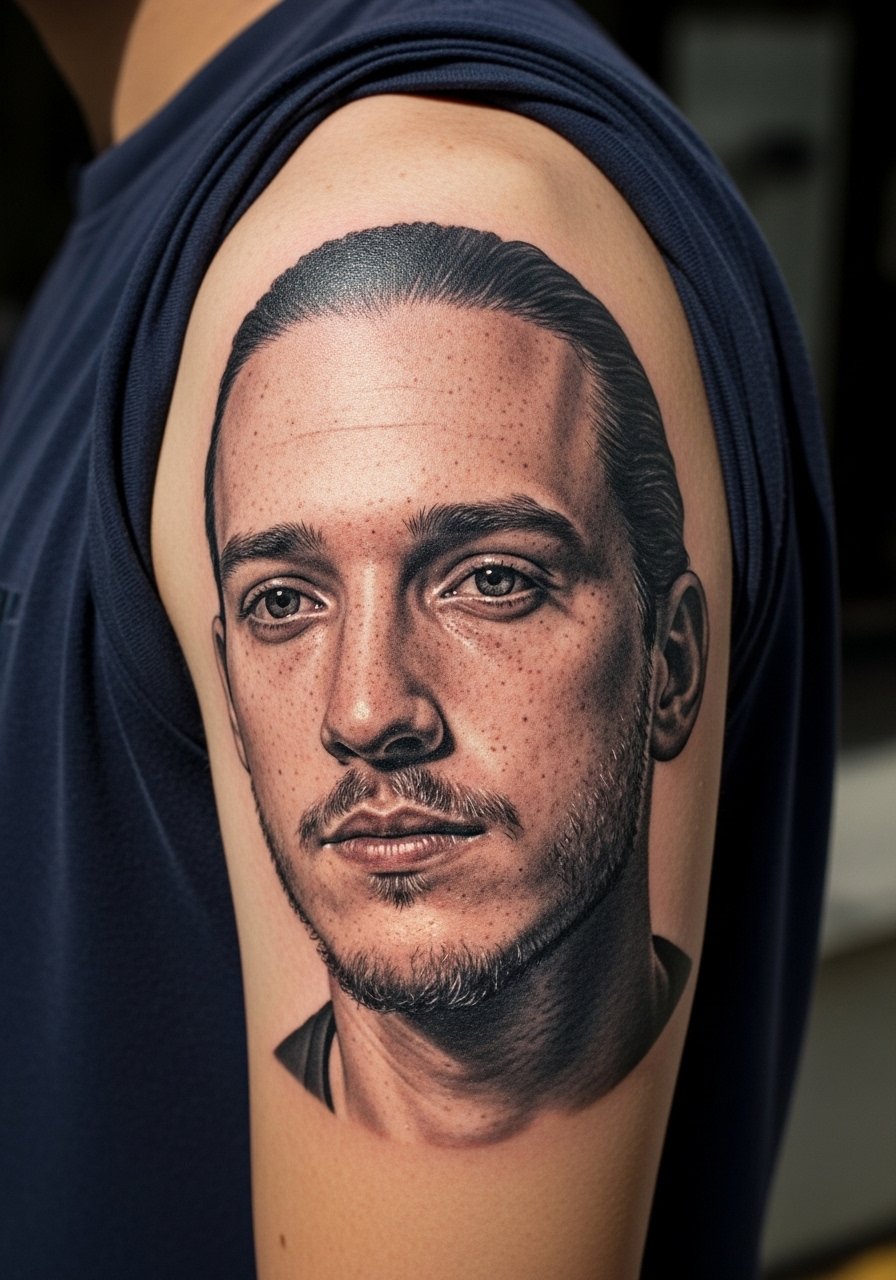
I’ve seen micro-realism portraits capture a smile in a way a photo can’t. Upper arm is forgiving and less painful, so artists can work long sessions. The key is reference quality—bring high-res photos and the person’s favorite expression. Expect some contrast loss as it heals; artists saturate ink slightly more than a photo would suggest. Avoid artists who rely on heavy black outlines for realism; look for someone skilled in soft shading and photo-to-skin translation.
3. Minimalist Soundwave Behind Ear
Style/Technique: Minimalist / Linework
Pain Level: High (6-7/10)
Session Time: 30-60 minutes
Best For: Small, secret tribute
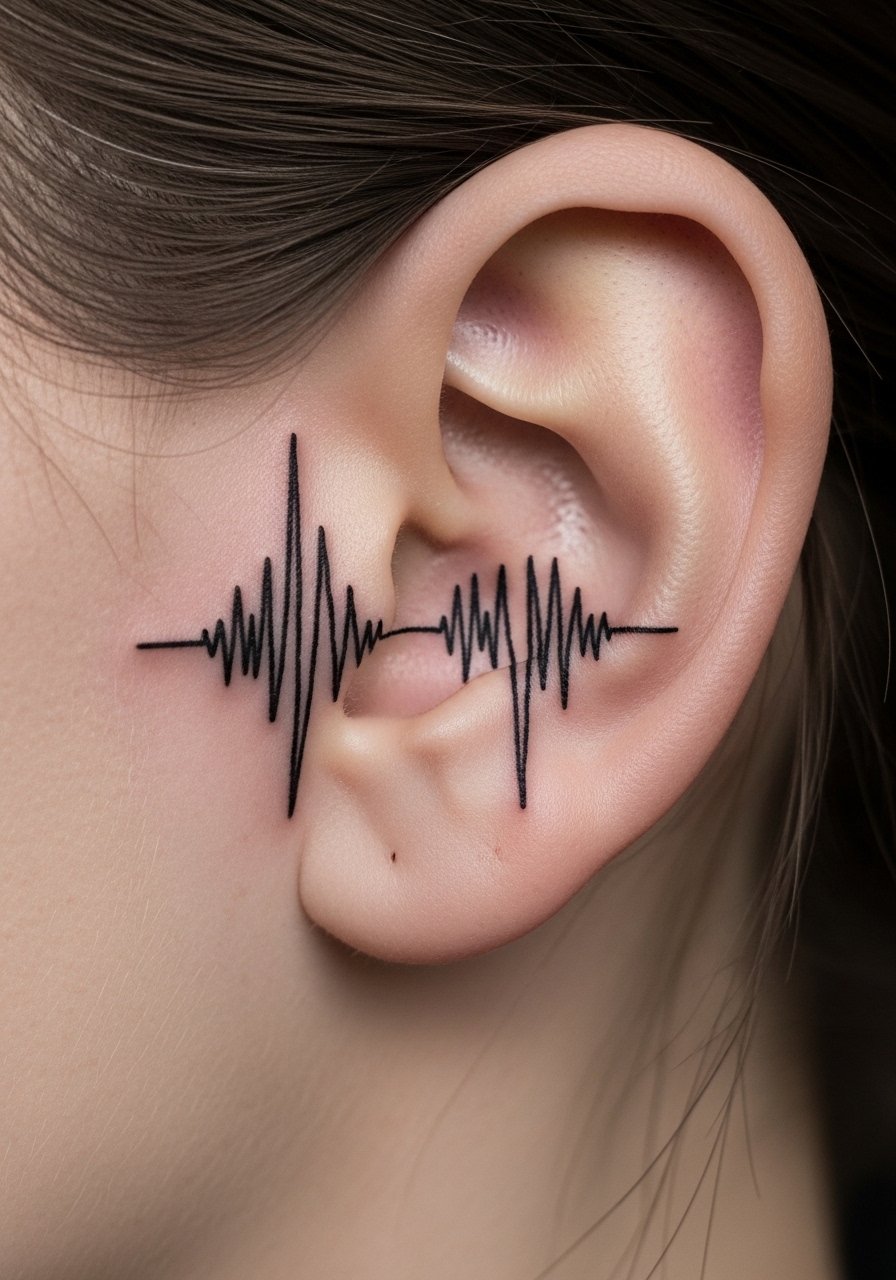
I converted a loved one’s recorded laugh into a tiny soundwave behind my ear. Placement is sensitive—skin over bone, and the buzzing is intense for a short time. Healing is quick but be cautious with shampoo and sleeping positions. Linework should be bold enough to survive skin movement; thin wavelines can break up. Ask for a slightly thicker stroke and check healed soundwave samples before booking.
4. Blackwork Heartbeat (ECG) Over Sternum
Style/Technique: Blackwork / Minimalist
Pain Level: High (6-8/10)
Session Time: 1-2 hours
Best For: Bold, symbolic chest piece
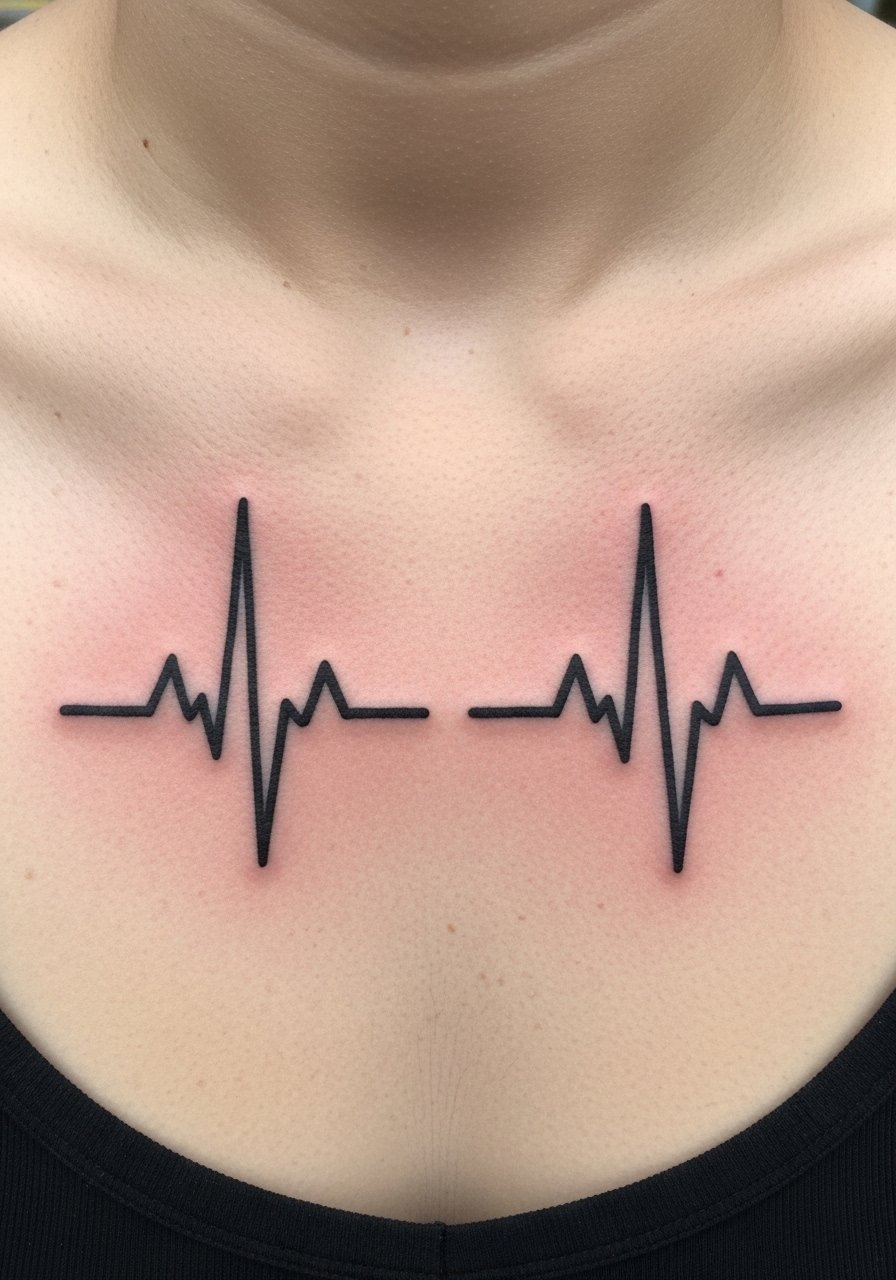
A heartbeat line across the sternum reads like a life map. Sternum tattoos hurt more because of bone proximity, but they make a strong visual statement. Blackwork holds up well over time. Expect 2-3 weeks of surface healing and longer for full depth. Avoid overly intricate tweaks—simplicity keeps the line crisp as it ages. I’d ask your artist for slightly bolder lines than you think you need.
5. Traditional Rose With Banner on Forearm
Style/Technique: Traditional / American Traditional
Pain Level: Low (2-3/10)
Session Time: 2-3 hours
Best For: Timeless, durable tribute
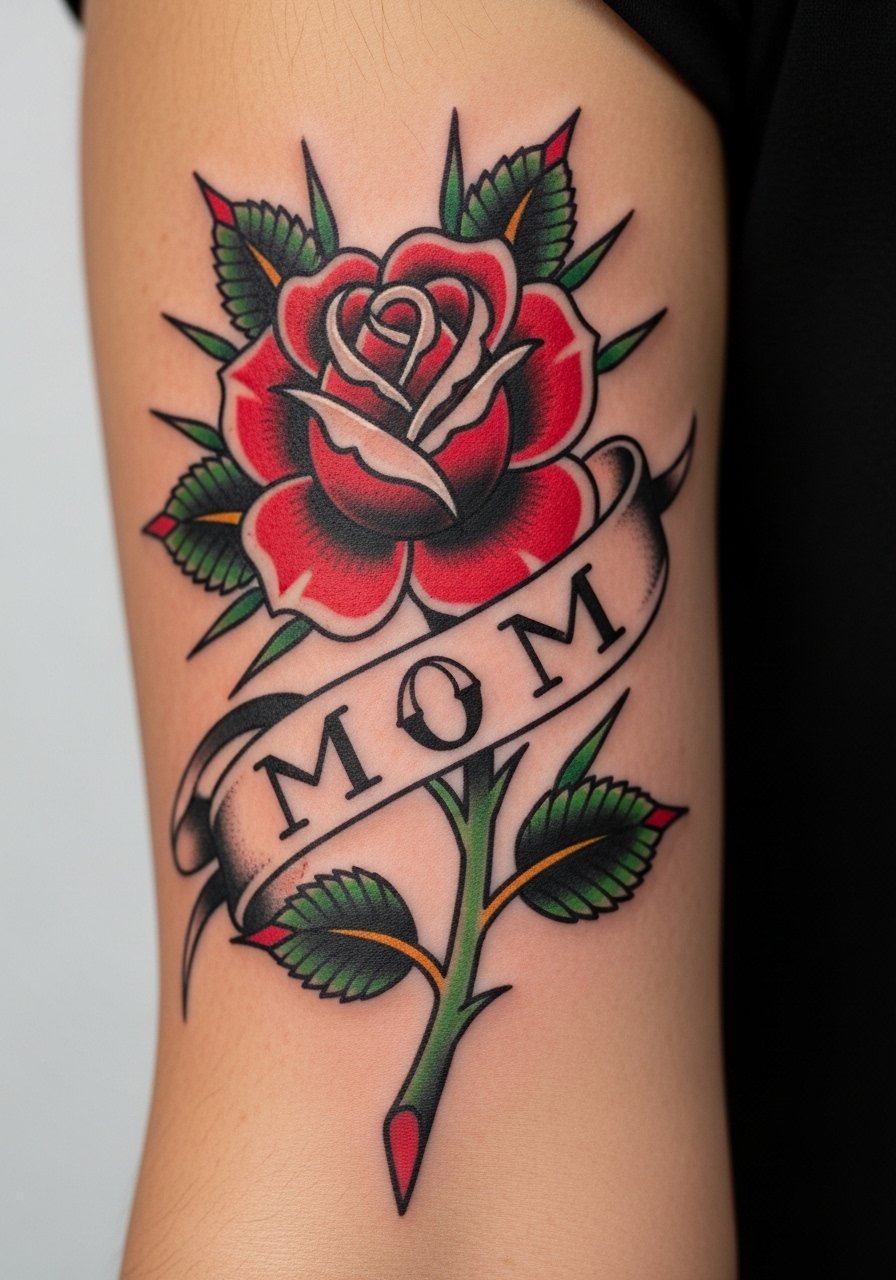
I chose a classic rose with a banner for its clarity. Traditional style ages predictably—thick outlines stand up to blurring and color softens nicely. Forearm placement is one of the least painful, and daily exposure means sunscreen later. If you want a name in the banner, keep lettering simple so it remains legible after healing. Ask your artist about healed color samples from 1+ years out.
6. Watercolor Feather on Ribcage
Style/Technique: Watercolor / Illustrative
Pain Level: High (7-8/10)
Session Time: 2-4 hours
Best For: Soft, emotional pieces hidden by clothing
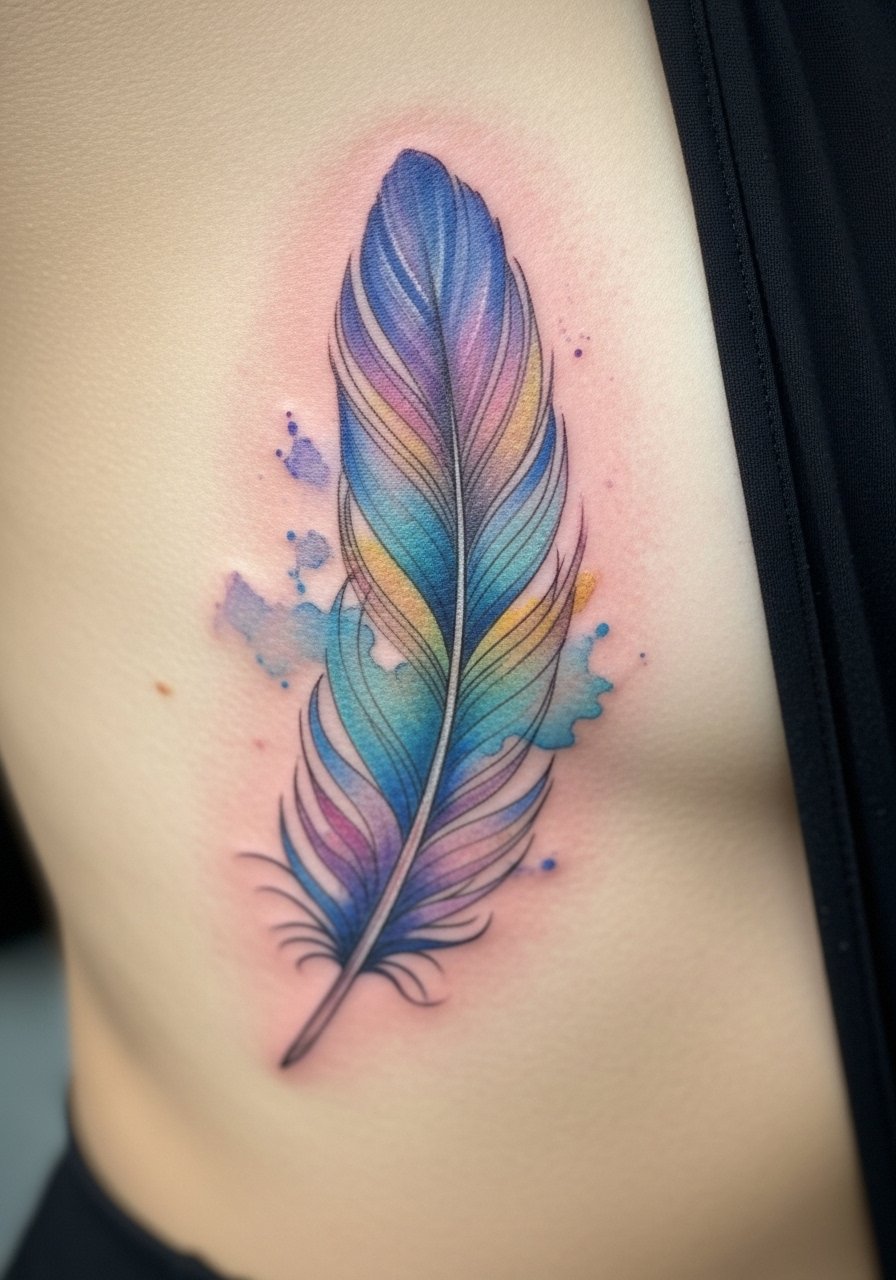
I love the ethereal look of watercolor wings on ribs. Ribcage is painful but keeps the piece private. Watercolor requires careful maintenance—colors can fade faster, especially reds and yellows. Healing can look dull then brighten; expect touch-ups. Avoid overly diffuse color near thin lines; discuss color saturation and touch-up policy during consult.
7. Botanical Wreath Around Ankle
Style/Technique: Fine Line / Botanical
Pain Level: Medium (4-5/10)
Session Time: 1-2 hours
Best For: Small, circular memorials, easy to conceal
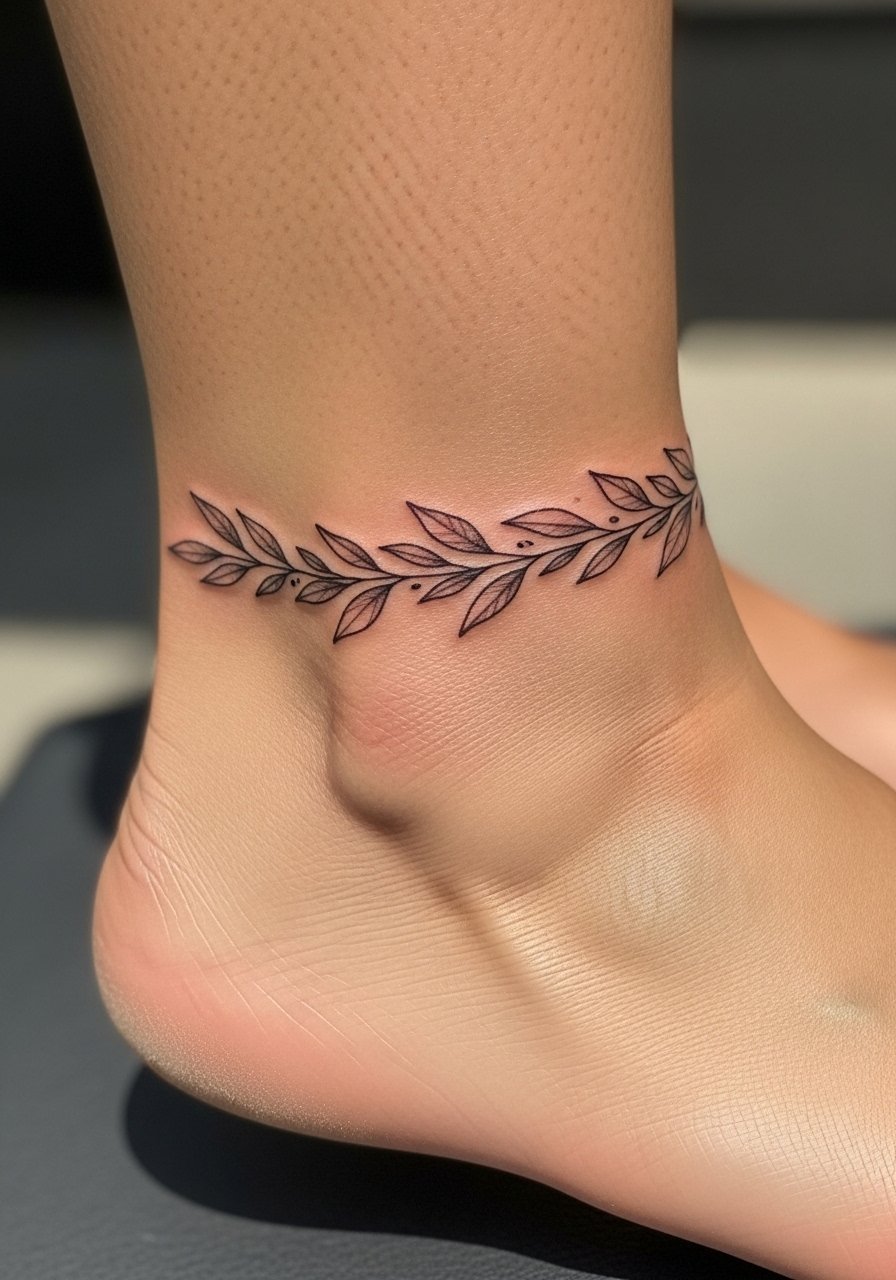
A small wreath around the ankle acts like a wearable ring. Ankles are bony; expect stinging during the session. Fine line leaves look delicate but can blur if lines are too fine—ask for slightly heavier stems. Healing needs gentle footwear choices for the first week. This placement is great if you want an everyday but private reminder.
8. Roman Numeral Memorial Date on Collarbone
Style/Technique: Minimalist / Numeral Script
Pain Level: Medium (4/10)
Session Time: 30-90 minutes
Best For: Subtle, elegant memorial
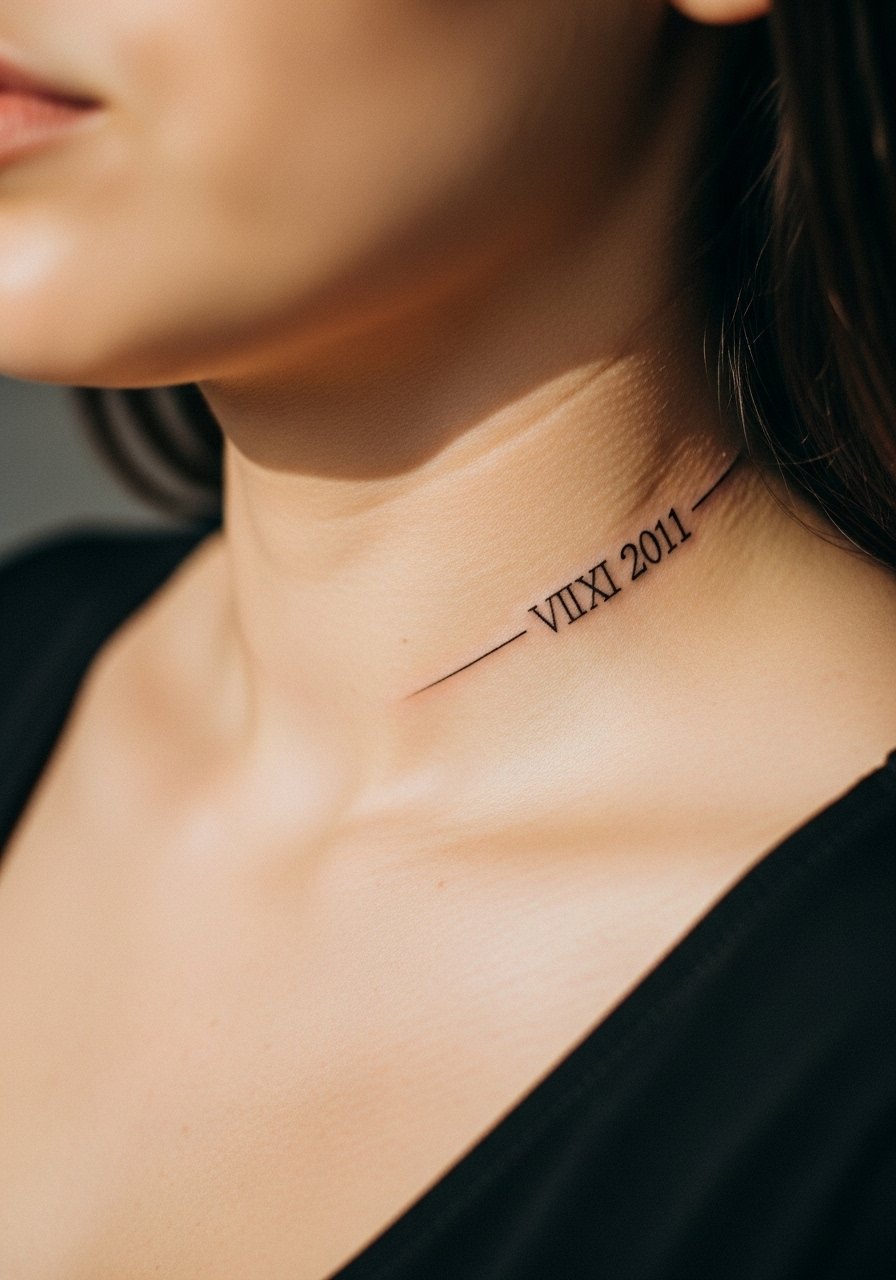
I got dates in Roman numerals along my collarbone. The collarbone moves and stretches with posture; line placement matters. Pain is manageable but the area can be tender. Fine line numerals age well if spaced properly. Avoid tiny numerals that merge—ask for a balanced kerning and healed examples.
9. Micro-Realism Pet Portrait on Thigh
Style/Technique: Micro-Realism / Pet Portrait
Pain Level: Low (2-3/10)
Session Time: 2-4 hours
Best For: Large detail, private placement
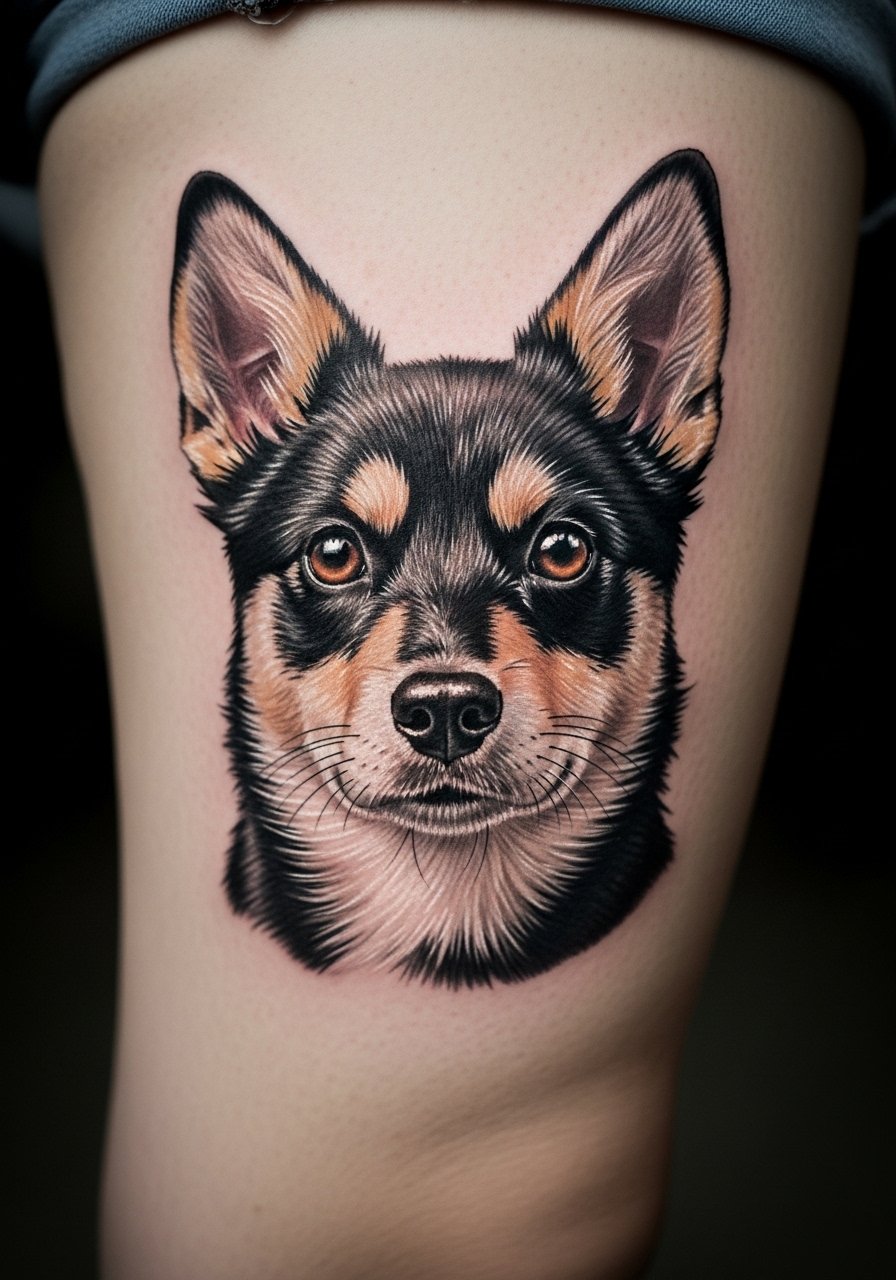
For pet memorials, the thigh is forgiving and allows larger detail. Thigh sessions are comfortable for long sittings. Micro-realism captures fur and expression but needs a good reference photo. Over time, fine detail can soften; plan for touch-ups and ask to see healed pet work from the artist.
10. Tiny Matching Ring Tattoo on Finger
Style/Technique: Minimalist / Linework
Pain Level: Medium-High (5-7/10)
Session Time: 20-40 minutes
Best For: Matching tributes, discrete
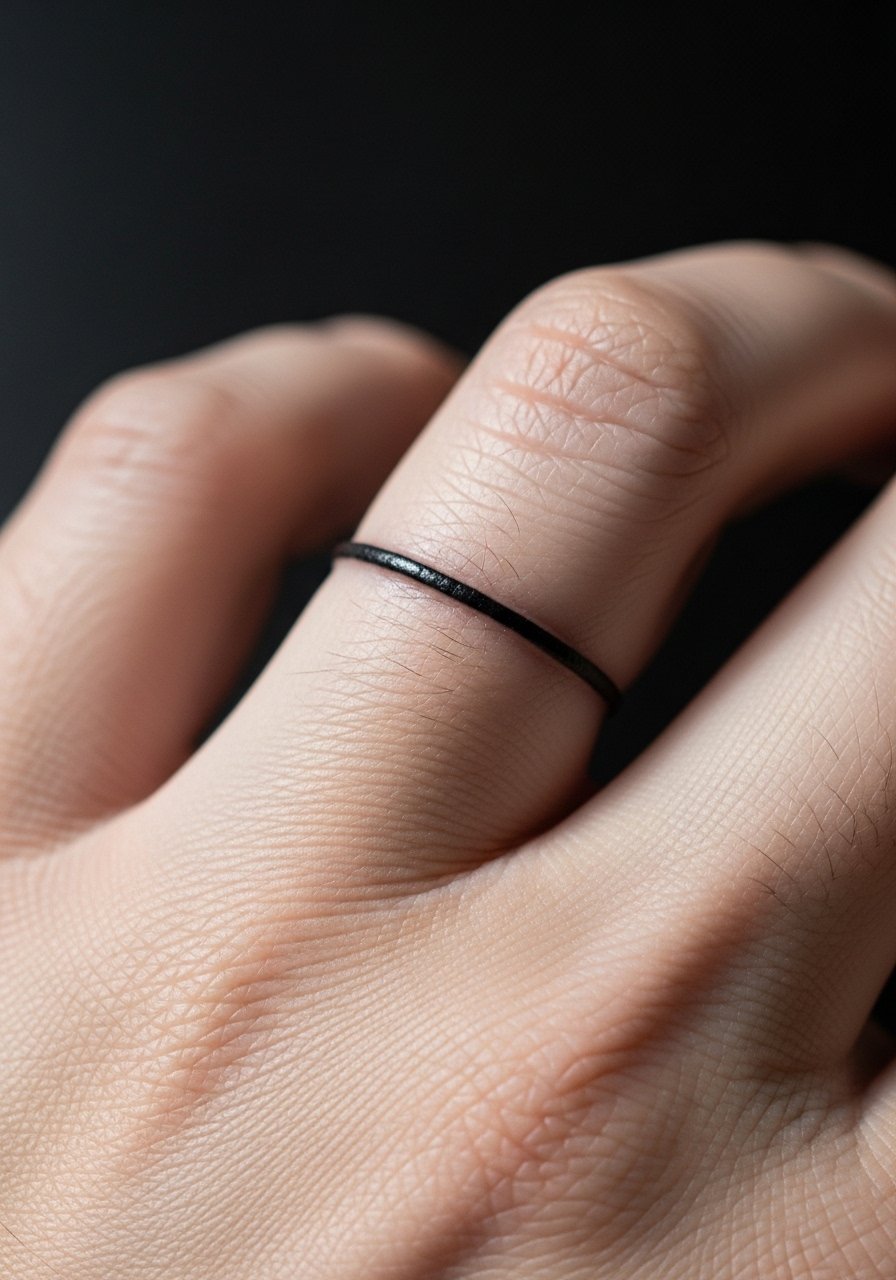
I and a friend got matching ring tattoos as a promise and memorial. Fingers are notoriously fast-fading due to washing and skin turnover. Expect touch-ups and consider placing rings on the side of the finger for slower wear. Pain is sharp but quick. Discuss ink depth and placement with your artist for longevity.
11. Small Cross Behind Ear
Style/Technique: Minimalist / Symbolic
Pain Level: High (6/10)
Session Time: 20-40 minutes
Best For: Subtle religious memorials
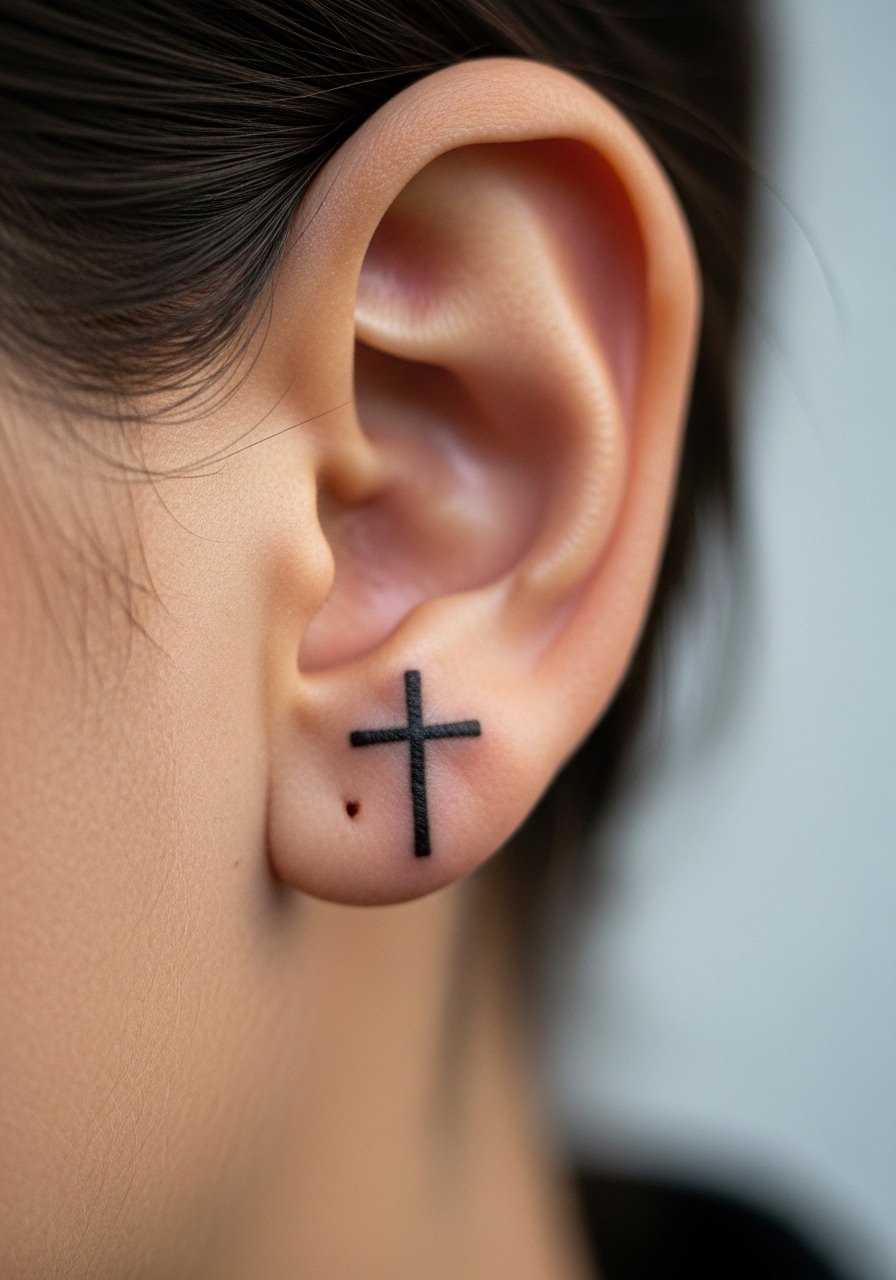
A tiny cross behind the ear is discreet and meaningful. The area is thin and close to bone—expect a sharp sting. Healing is quick but keep hair and products away. Simple shapes work best here; complex details blur. Bring photos of healed behind-ear tattoos to your consultation.
12. Scripted Name on Inner Wrist
Style/Technique: Fine Line / Script
Pain Level: Medium (4-5/10)
Session Time: 30-60 minutes
Best For: Everyday visible tribute
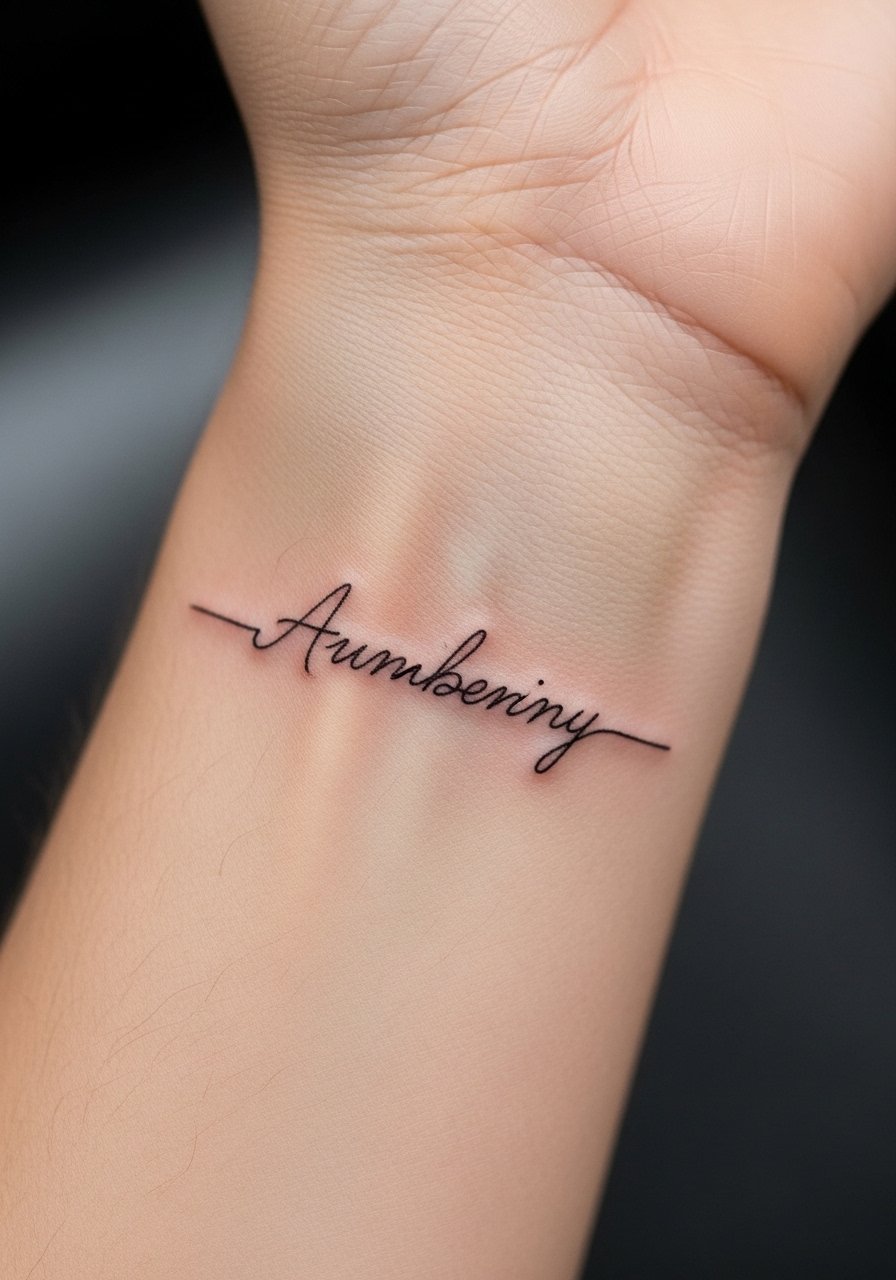
I wear a loved one’s name on my inner wrist. Wrist tattoos are visible and a daily comfort. Expect soreness when the joint bends. Fine script here can fade faster from sun and washing—daily sunscreen and gentle moisturizing help. Avoid tiny loops that will close up; ask your artist to space letters slightly.
13. GPS Coordinates Along Rib
Style/Technique: Minimalist / Numeric
Pain Level: High (7-8/10)
Session Time: 30-90 minutes
Best For: Secret location-based memorials
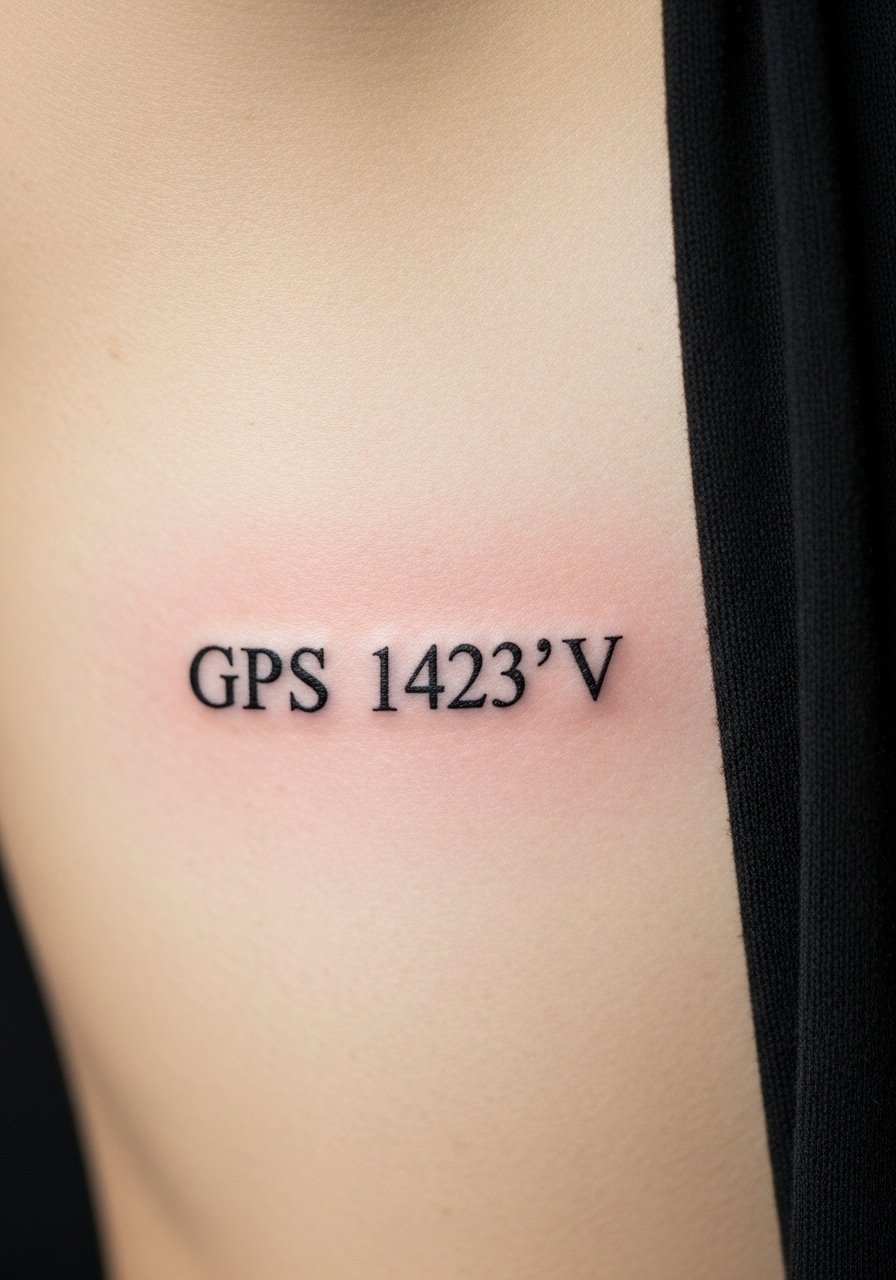
I tattooed coordinates of a special place. Ribs hurt but placement is private. Numerals need even spacing to stay legible; avoid tiny fonts. Healing requires careful clothing choices to avoid rubbing. This idea reads personal without obvious symbolism to casual onlookers.
14. Constellation Map on Shoulder Blade
Style/Technique: Fine Line / Dotwork
Pain Level: Low-Medium (3-4/10)
Session Time: 1-2 hours
Best For: Celestial, poetic memorials
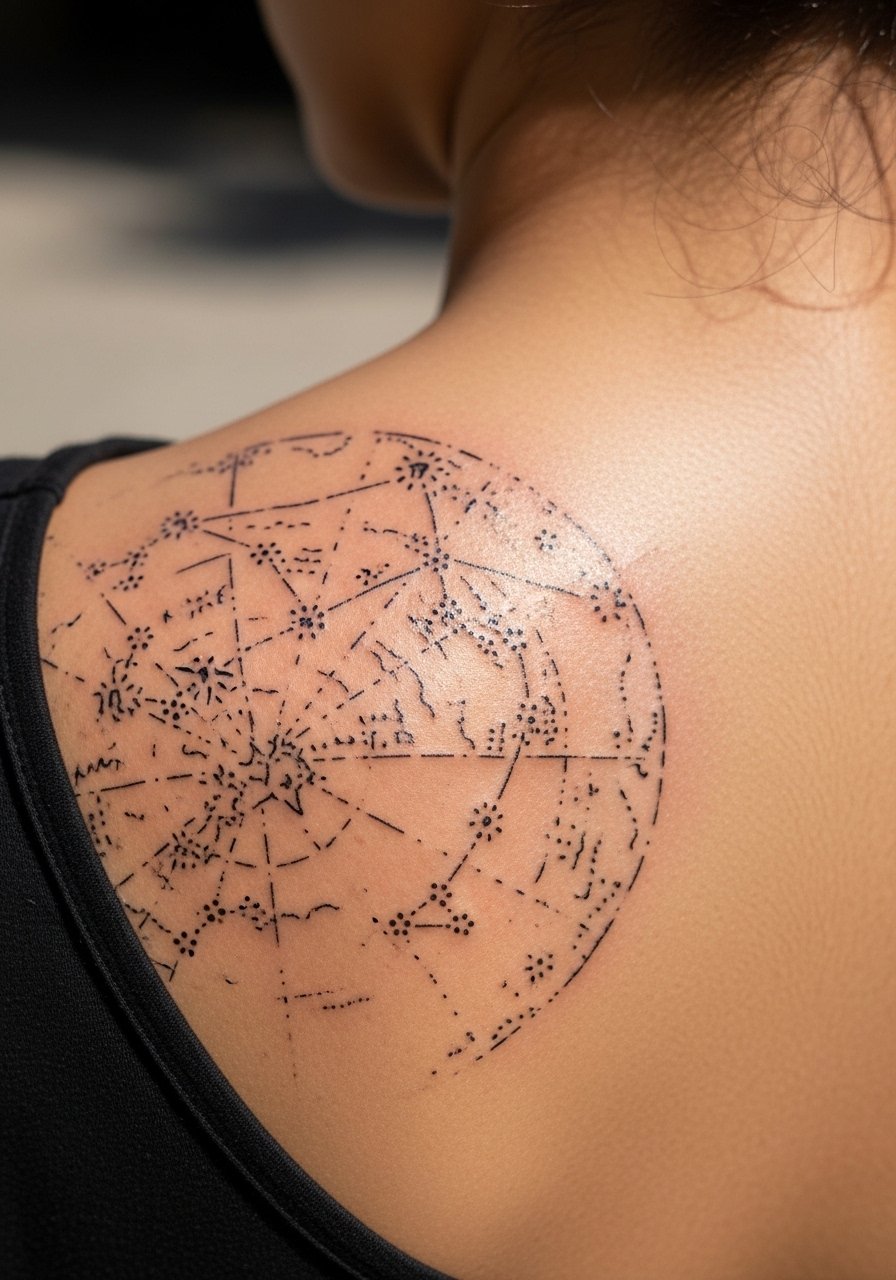
A constellation marking a birth or passing night is poetic. Shoulder blade is less painful and shows well with sleeveless clothing. Dotwork and thin lines age fairly well if the dots aren’t too tiny. Ask your artist for slightly larger star points to keep detail visible over time.
15. Tree Of Life Center Back Piece
Style/Technique: Neo-Traditional / Illustrative
Pain Level: High (7/8/10)
Session Time: Multiple sessions
Best For: Large, symbolic memorials
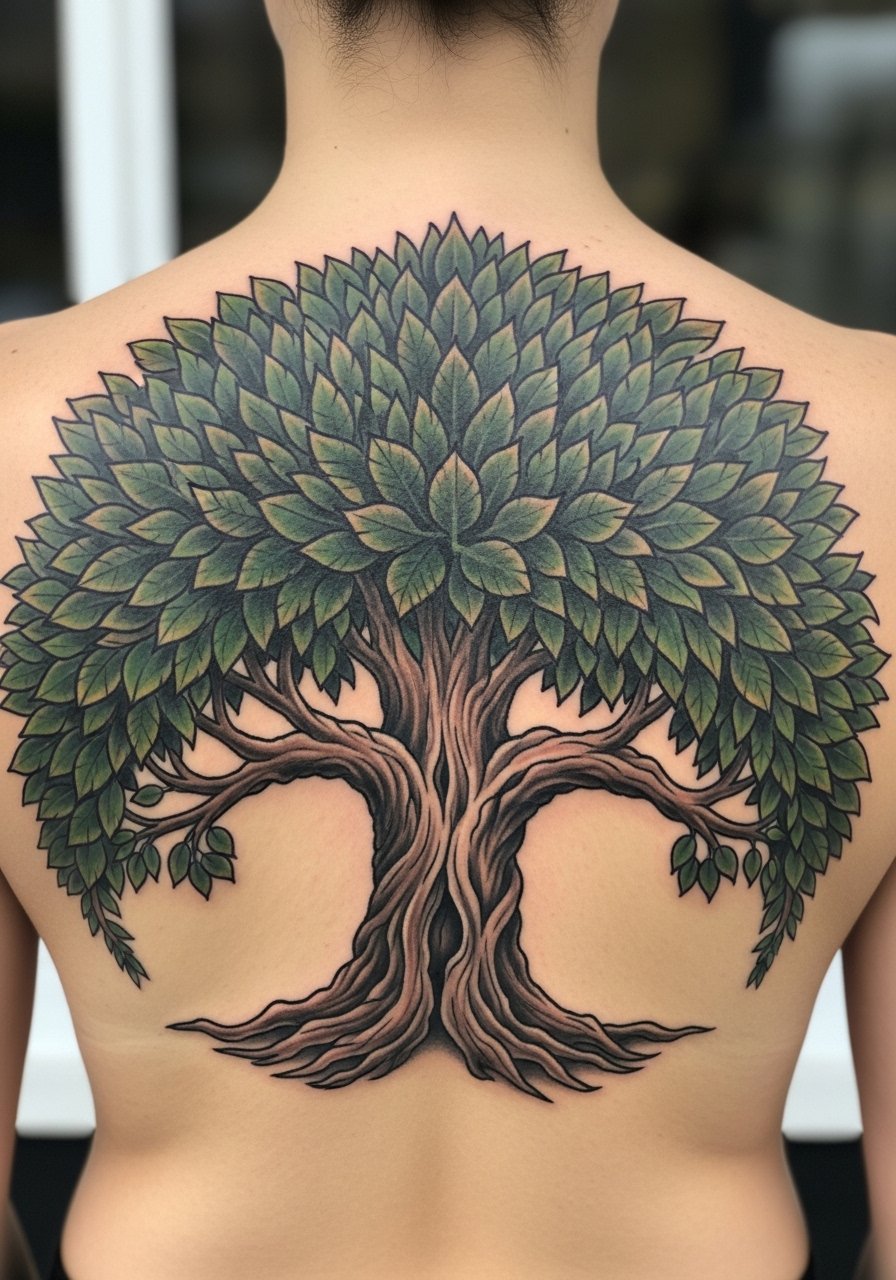
I chose a tree of life on my back to represent roots and memory. Large pieces need multiple sessions and patient healing. Back skin handles saturation well, but sessions can be long. This style allows storytelling—integrate initials, dates, or small portraits in roots or leaves. Avoid overcrowding small elements; they’ll blur over years.
16. Memorial Semicolon Inner Wrist
Style/Technique: Minimalist / Symbolic
Pain Level: Medium (4/10)
Session Time: 20-30 minutes
Best For: Mental health and remembrance
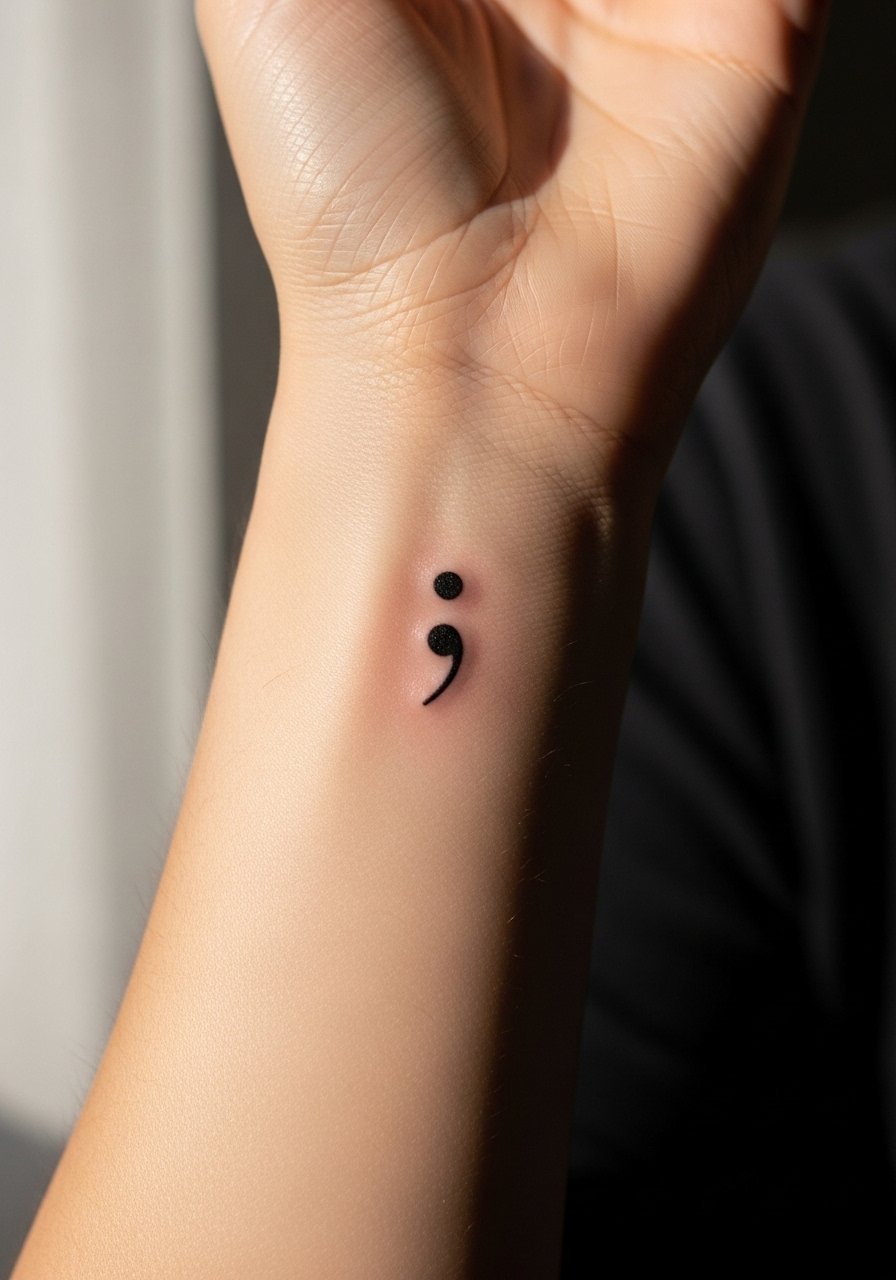
I got a semicolon as a quiet memorial for struggle and survival. It’s small, meaningful, and quick to tattoo. Inner wrist visibility can be comforting but note potential fading from sun. Keep it moisturized and protected during initial healing. If you want to pair it with a date or name, keep spacing generous.
17. Cremation Ash Dotwork on Forearm
Style/Technique: Dotwork / Micro-Texture
Pain Level: Medium (4-5/10)
Session Time: 1-2 hours
Best For: Ultra-personal, physical tribute
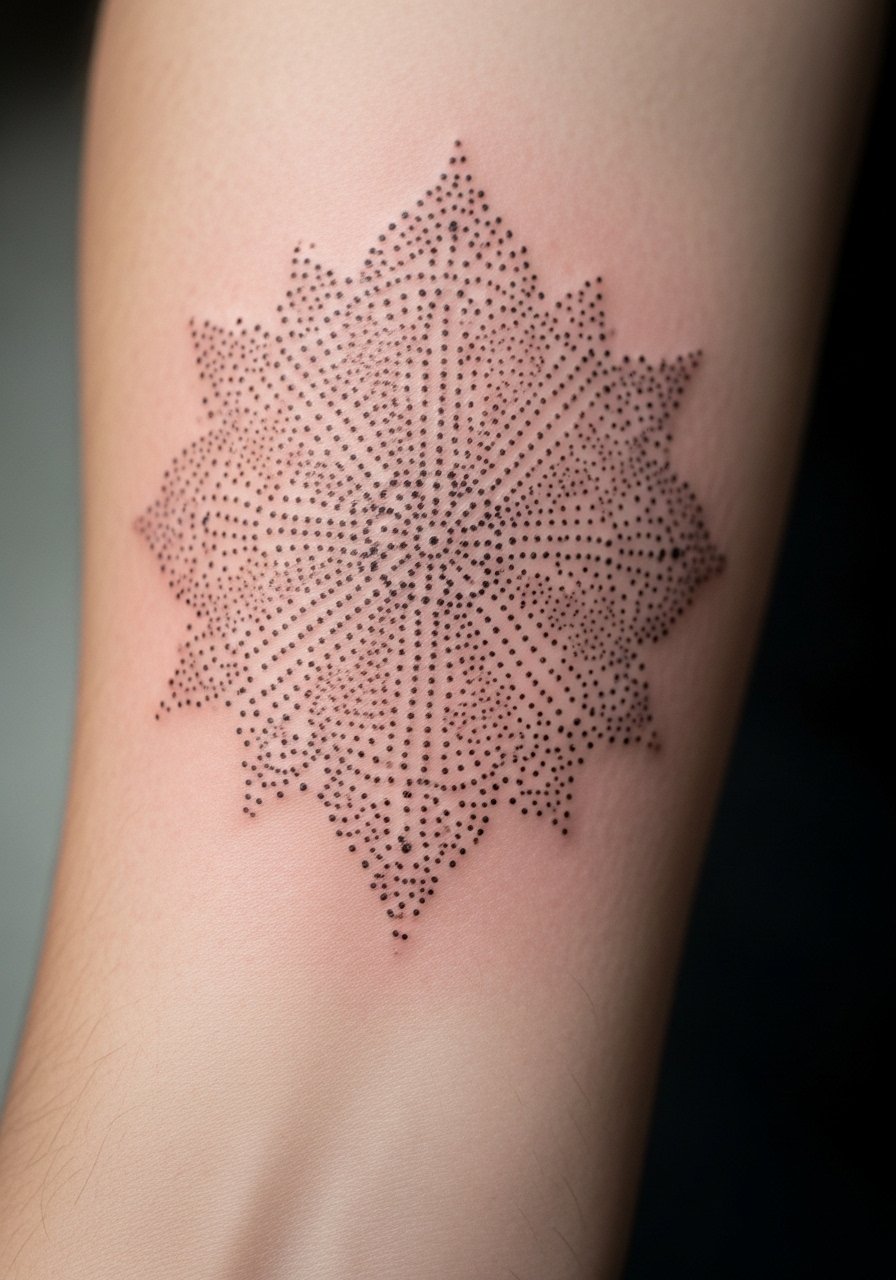
I explored using a tiny amount of cremation ash mixed into ink for a physical connection. It’s subtle—dotwork and texture hide any granular look. Talk to your artist about their experience; sterilization and mixing protocols matter. Forearm placement gives visibility and reasonable healing. This is a niche option many artists can do with care.
18. Soundwave Matching Bracelets on Inner Forearms
Style/Technique: Minimalist / Matching Linework
Pain Level: Low-Medium (3-5/10)
Session Time: 45-90 minutes
Best For: Matching family or friend tributes
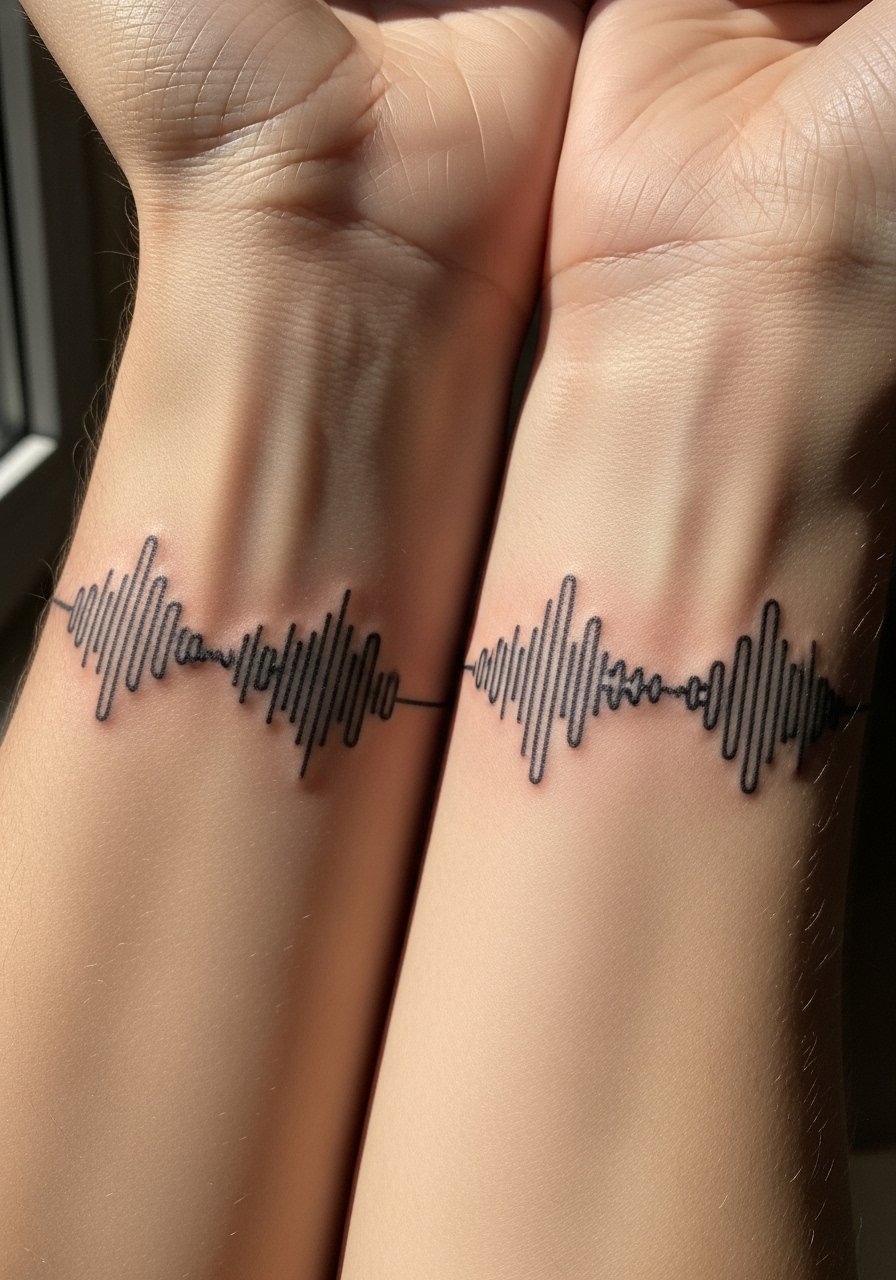
My sibling and I got matching soundwave bracelets of our parent’s voice. Inner forearms are comfortable for longer lines. Matching symmetry matters—both arms should be done in the same session if possible. These tattoos are visible and act like wearable jewelry. Ask artists to slightly thicken lines for long-term clarity.
19. Neo-Traditional Memorial Locket on Chest
Style/Technique: Neo-Traditional / Micro-Realism Accents
Pain Level: Medium (4-6/10)
Session Time: 2-4 hours
Best For: Decorative, sentimental pieces
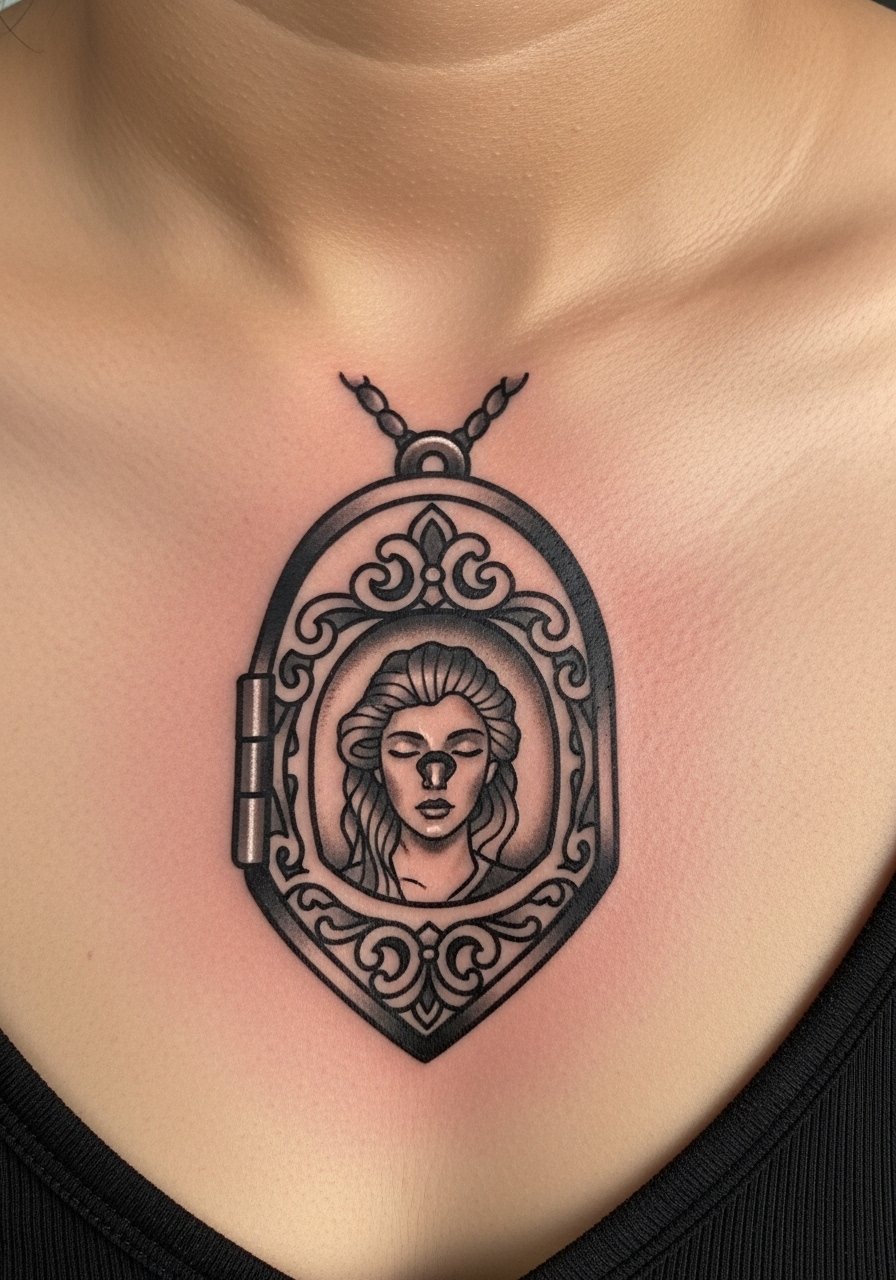
A locket with a tiny portrait inside lets you carry a face close to the heart. Chest placement is intimate and the mix of bold outlines with small realism ages well. The inner portrait will need expert shading to remain legible—ask to see healed locket work from the artist. Keep details tight but avoid overcrowding.
20. Floral Anklet With Initials
Style/Technique: Illustrative / Fine Line
Pain Level: Medium (4-5/10)
Session Time: 1-2 hours
Best For: Feminine, low-visibility memorial
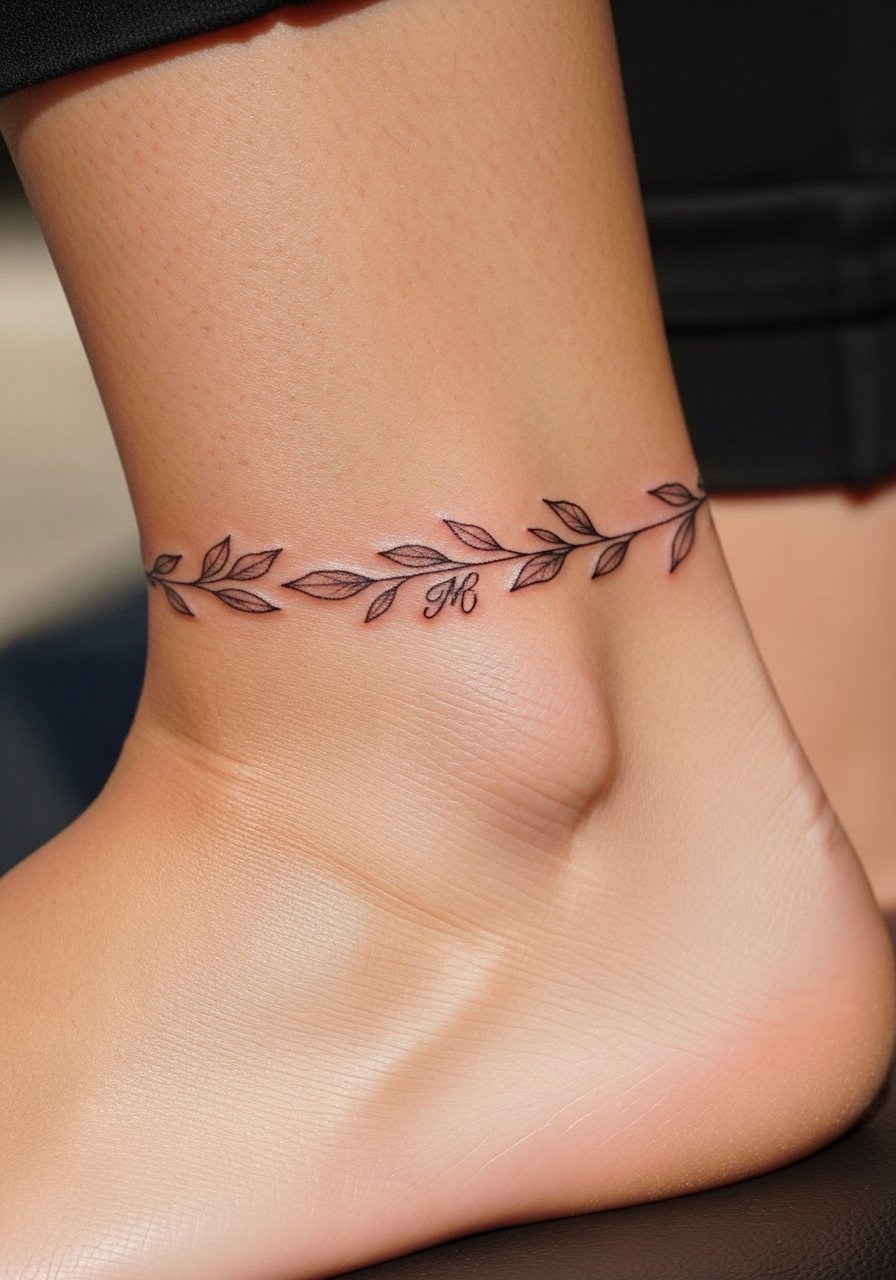
A floral anklet is a gentle way to memorialize someone. Ankles can sting but heal neatly with minimal care. Keep initials small but spaced. Avoid ultra-thin petals that may blur; slightly heavier stems help retention. This feels like jewelry and is easy to conceal for work.
21. Thin Timeline Bar on Ribcage
Style/Technique: Minimalist / Geometric
Pain Level: High (7-8/10)
Session Time: 30-60 minutes
Best For: Abstract memorial markers
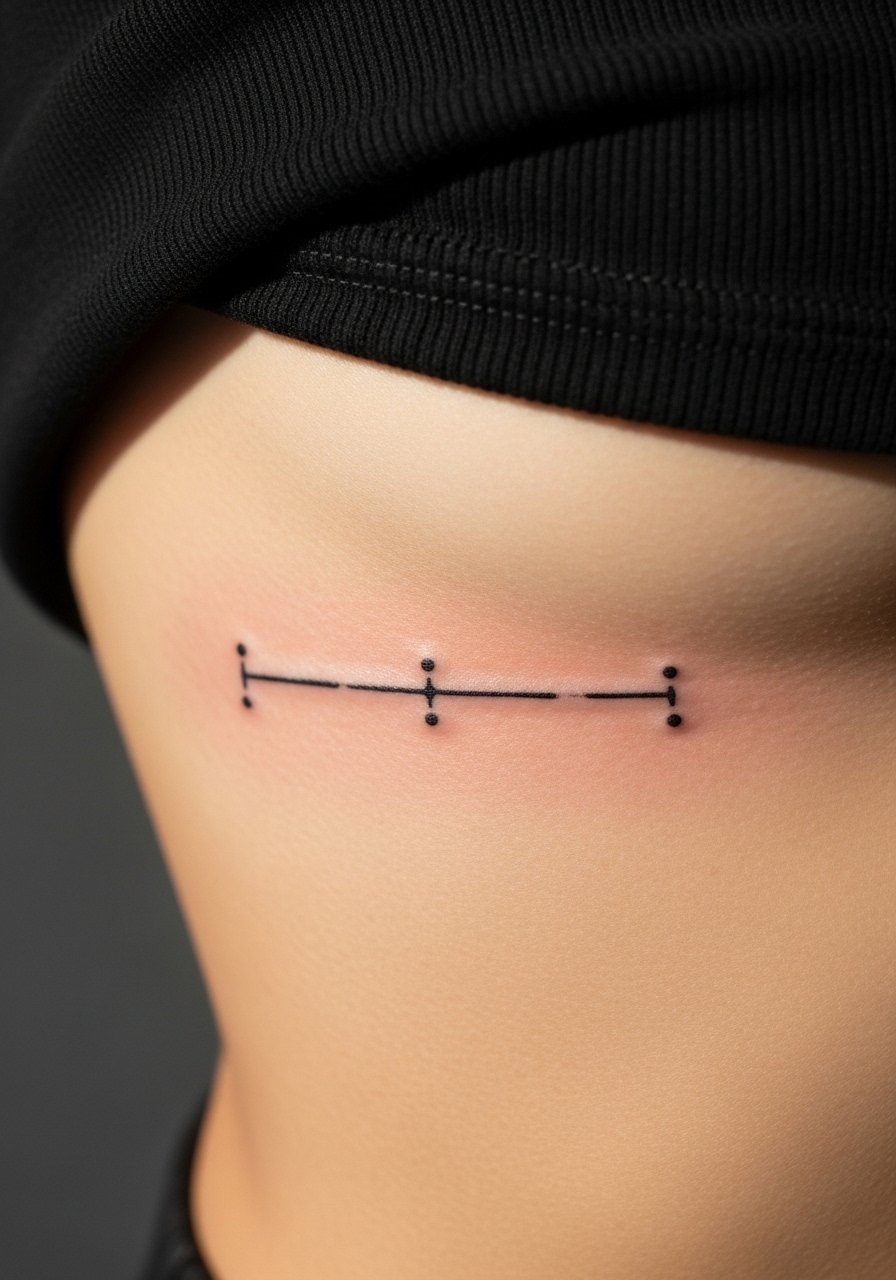
I marked milestones with a thin timeline and small dots for years. The rib location is sensitive but powerful when revealed. Keep bars slightly thicker than you’d expect; micro-lines on ribs can blur unevenly. This abstract option avoids direct names while holding personal meaning.
22. Handwritten Note Folded Into Envelope on Inner Arm
Style/Technique: Fine Line / Illustrative
Pain Level: Medium (4/5/10)
Session Time: 1-2 hours
Best For: Sentimental keepsakes, readable detail
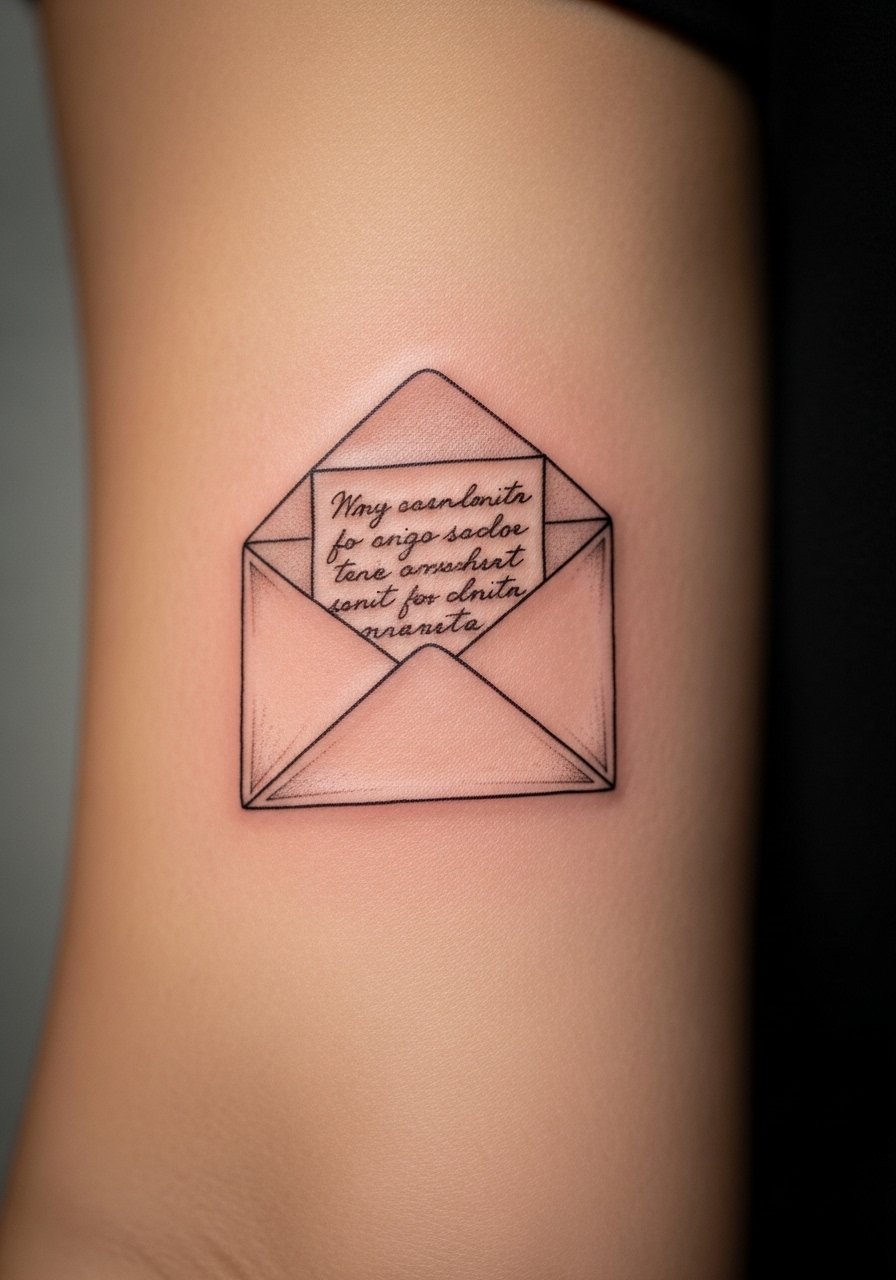
I had a small handwritten note folded into an envelope tattooed as a private memento. Inner forearm gives space for readable handwriting while remaining personal. Keep handwriting slightly bolder than original to ensure legibility after healing. Ask artists to show healed script examples in similar sizes.
23. DNA Strand Accent on Nape
Style/Technique: Minimalist / Scientific-Style Linework
Pain Level: Medium (4-6/10)
Session Time: 1 hour
Best For: Family-linked memorials, subtle neck placement
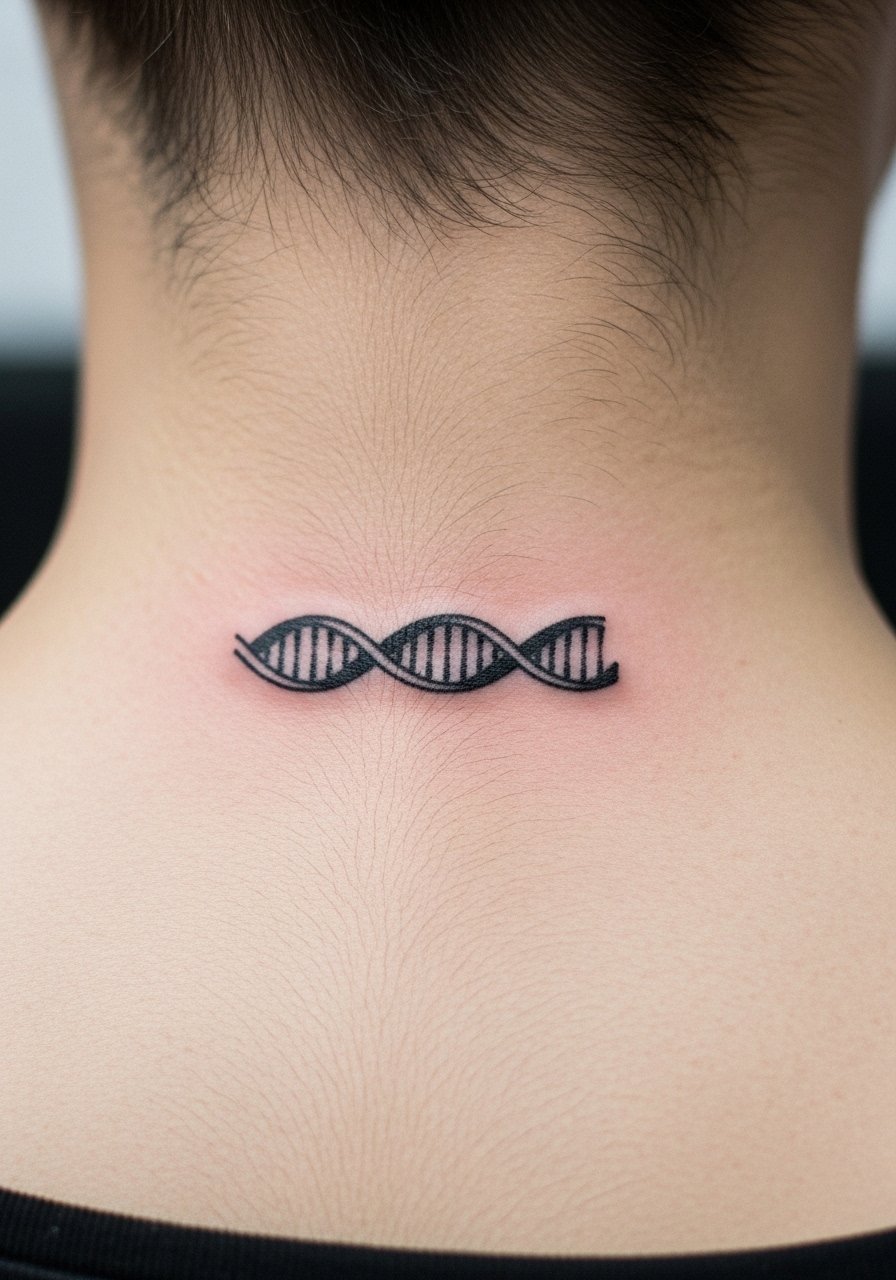
I chose a tiny DNA strand at the nape to symbolize bloodlines and legacy. Nape tattoos are discreet and can be shown or hidden by hair. Expect moderate pain and simple aftercare. Fine helix lines should be spaced to avoid merging—ask for slightly thicker lines if you want long-term clarity.
Tattoo Prep and Aftercare Essentials
Aftercare Essentials:
- Aquaphor Healing Ointment, 14oz tube — Use first 3-5 days for barrier protection
- Saniderm Transparent Adhesive Bandage, 6-inch roll — Second-skin option for overnight protection
- CeraVe Fragrance-Free Moisturizing Lotion, 16oz — Daily moisturizer after initial ointment phase
- Dr. Bronner's Unscented Castile Soap, 32oz — Gentle cleaning during first 2 weeks
Before Your Appointment:
- Tattoo Numbing Cream 5% Lidocaine (single use packets) — Ask artist before use and follow timing instructions
- Thermal Tattoo Stencil Transfer Paper — If planning custom layout at home
Long-Term Maintenance:
- SPF 50 Sunscreen Stick for Tattoos — Daily sun protection to prevent fading
- Mad Rabbit Tattoo Balm, 2oz — Keeps healed tattoos vibrant for long-term care
- Hustle Butter Deluxe, 4oz — Vegan aftercare for healed skin maintenance
- Hydrocolloid Bandages, Large Pack — For small scabs or localized protection during healing
Optional Comfort & Touch-Up Supplies:
- Tattoo Aftercare Kit (cleanser + balm + instructions) — Handy for first two weeks
- Portable Cooling Gel Pack — Soothes swelling immediately after sessions
From what I’ve learned, artists usually recommend Saniderm or Aquaphor in the first days, then a fragrance-free lotion like CeraVe. Sunscreen is non-negotiable for long-term vibrancy.
Frequently Asked Questions
Q: How bad does a memorial tattoo actually hurt?
A: Pain depends on placement and your tolerance. Outer arm/thigh = 2-4/10. Ribs/sternum/nape = 7-8/10. It’s more of a prolonged pressure and burning than sharp pain for many spots. For sensitive areas, consider a numbing cream 5% lidocaine after checking with your artist.
Q: I’m afraid I’ll regret the design later. How do I choose?
A: I sat with my idea for months before committing. Pick designs with personal stories (handwriting, soundwaves, coordinates) and avoid trendy symbols you don’t feel deeply about. Start small or choose a hidden placement if you want an easy way to test your feelings.
Q: How do I keep my memorial tattoo from fading?
A: Sunscreen and moisturizing are key. From what I’ve seen, daily use of an SPF 50 stick keeps ink vivid. Use a fragrance-free lotion like CeraVe after the first ointment days and reapply sunscreen whenever the tattoo is exposed.
Q: Can cremation ash safely be used in ink?
A: Some artists offer to mix a tiny amount of ash with tattoo ink. I researched artists who do this and asked about sterilization and technique. If you consider it, discuss protocols thoroughly and see healed samples. It’s a personal choice and not every studio will do it.
Q: When can I return to exercising after a memorial tattoo?
A: Wait at least 48-72 hours for low-sweat activities. For large pieces, skip heavy workouts for a week to avoid sweating, friction, and stretching that can affect healing. Keep the area clean and dry initially—use a gentle cleanser like Dr. Bronner’s Unscented Castile Soap.
Q: Do memorial tattoos look different on darker skin tones?
A: Yes. Black and gray designs and bold blackwork show best across tones. Bright pastels may appear muted on deeper skin. I always ask artists to show healed examples on similar skin tones. Artists experienced with a range of skin tones will adjust saturation and contrast accordingly.
Q: How long does a memorial tattoo take to heal fully?
A: Surface healing is usually 2-3 weeks. Full skin regeneration takes 2-3 months. The first week matters most—clean gently, use recommended ointment like Aquaphor early, then switch to lotion. Expect peeling around day 4-10; don’t pick scabs.
Q: What common mistakes should I avoid when getting a memorial tattoo?
A: Don’t rush the design. Avoid ultra-fine text in small sizes, and don’t assume a trend will age with you. From my experience, asking to see healed examples, discussing line weight, and confirming touch-up policies prevents regret. If visibility is a concern, choose placements like inner thigh or upper back.