
Someone I know spent months scrolling micro tattoo feeds before realizing the real worry was not the design itself. It was pain in places like behind the ear, the way micro linework can blur over time, and the frustration of packing detail into a 1 cm space. Below are 15 bold micro tattoo ideas for women that balance symbol, placement, and real-world aging so you can pick something that lasts and still feels like yours.
1. Fine Line Crescent Moon on the Inner Wrist
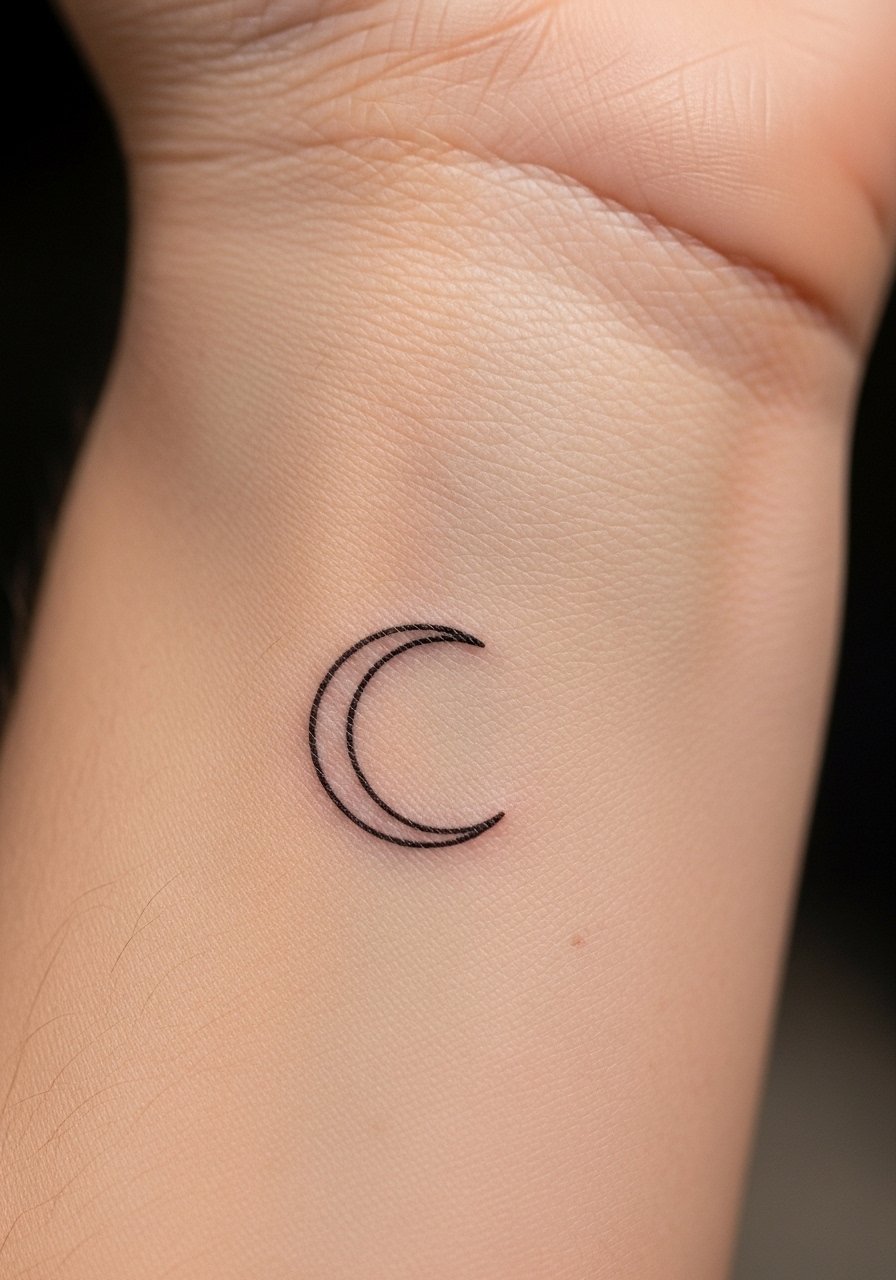
Someone I know first saw this on a friend and booked the next week. The inner wrist reads intimate without shouting. Pain is low to moderate and session time is short, often under 30 minutes. Ask your artist for consistent linework rather than ultra-hairline strokes so the crescent keeps shape at six months and two years. The common mistake is requesting lines that are too fine, which tends to fade into a blurred smudge faster. This placement is perfect for scripts or small symbols that pair with a watch or bracelet, and a touch-up at year one is common for micro wrist pieces.
2. Micro Flower Cluster Behind the Ear
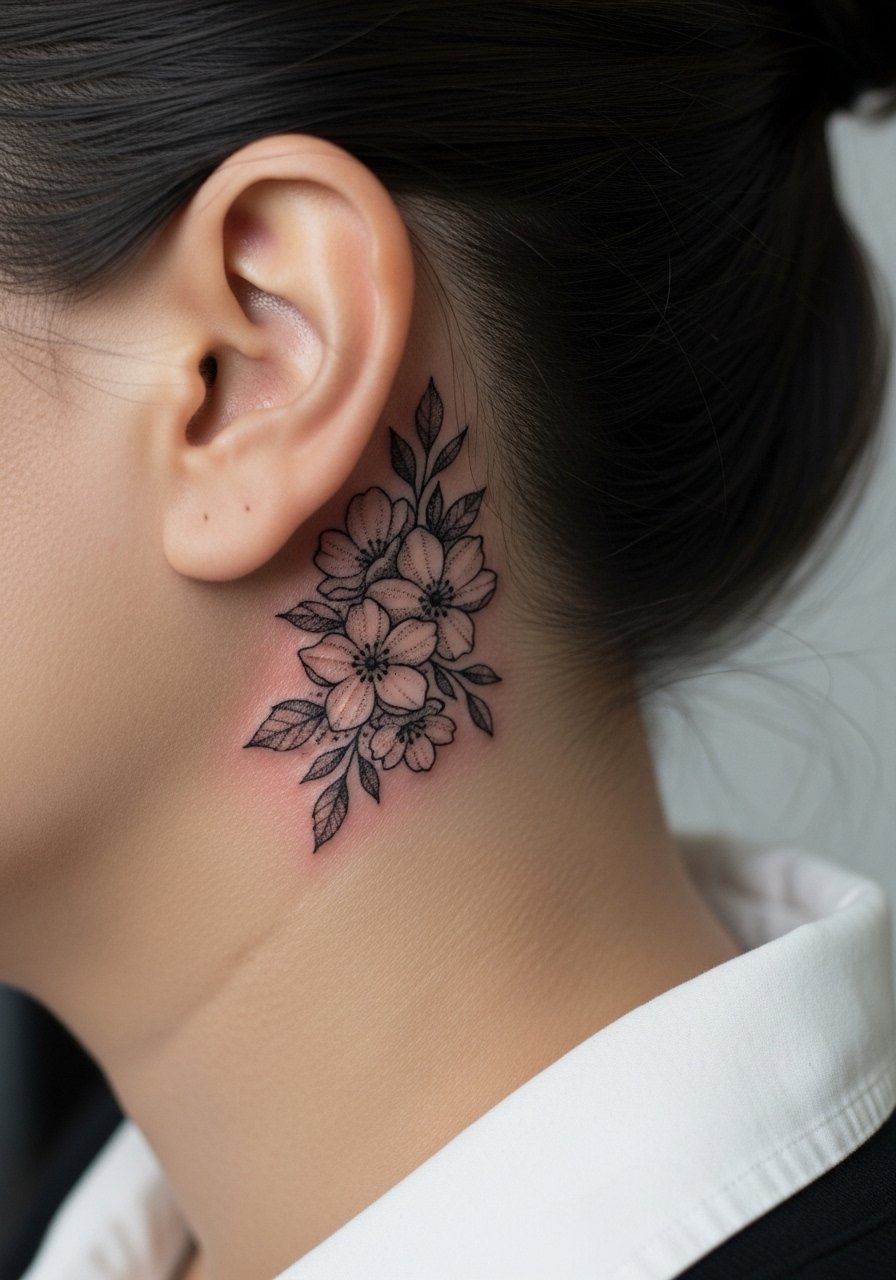
Fair warning: behind the ear can sting more than expected but heals quickly. This spot is great if you want something easy to hide under hair. Tell your artist you want slightly bolder linework with small stipple shading so petals hold contrast as the ink heals. One camp says ear placements fade fast and hurt too much. The other camp argues experienced micro artists can make them last with proper depth and spacing. If you work in an industry where visible ink matters, remember hair styles will often conceal this placement.
3. Tiny Heart Outline on the Side of a Finger

The mistake people make here is expecting finger tattoos to behave like forearm work. Fingers are high traffic and the skin renews quickly, so blur is likely within a couple of years. If you want a finger heart, ask for slightly thicker outline and expect a touch-up in the first 12 to 18 months. Session time is brief but the healing feels scratchy because of constant use. Hand and finger placements still affect hiring in some industries, so consider placement carefully.
4. Black and White Micro Rose on the Side Rib
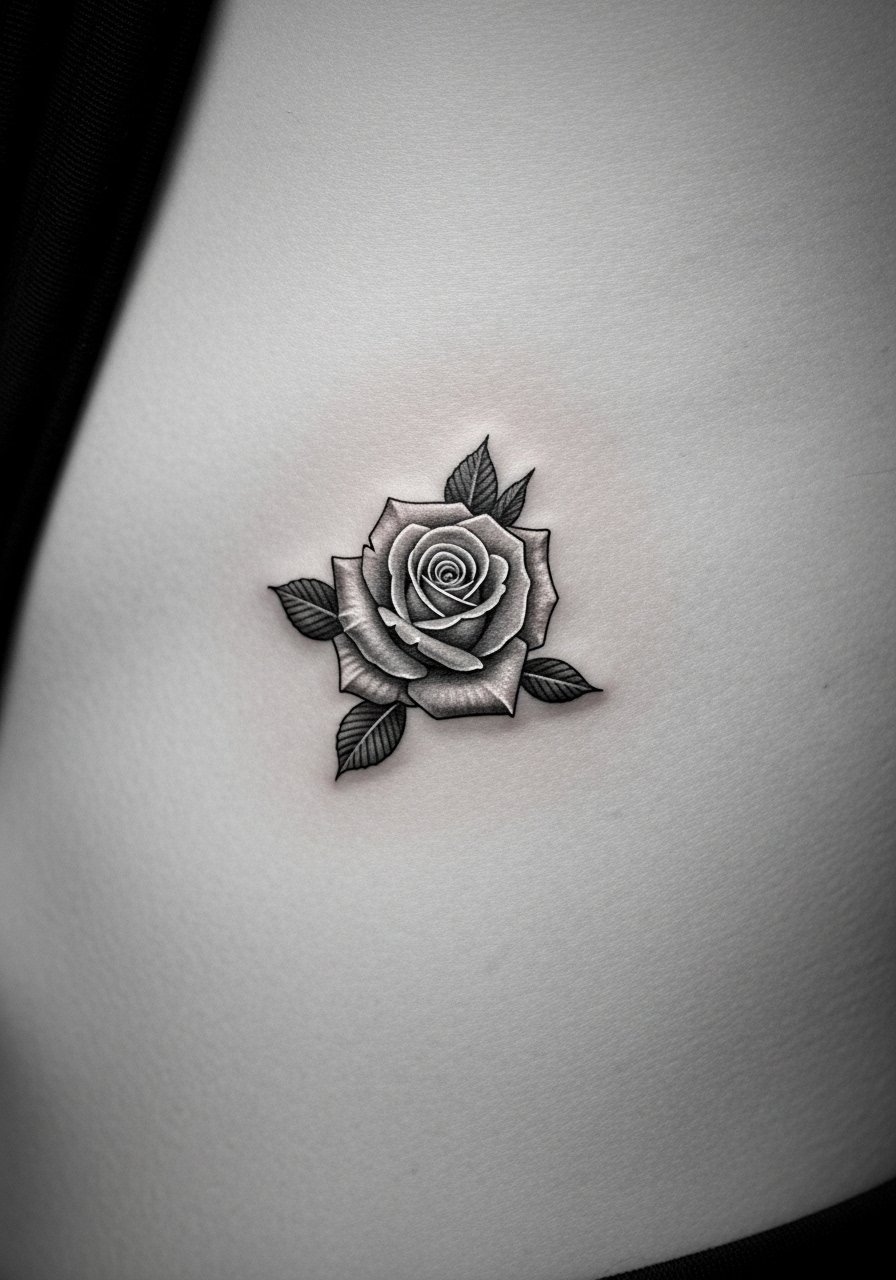
Fair warning: the ribcage is a high-pain area for many people. That said, micro-realism here moves with curves and looks elegant under clothing. Tell your artist to scale the central petal structure to at least 2 cm so the shading reads after healing. The usual error is shrinking a detailed rose into a dot; details need space or they become a gray blob over time. Expect a longer session than a wrist piece and plan for one touch-up if shading softens after a year.
5. Minimalist Script Word Above the Elbow ("Ohana")
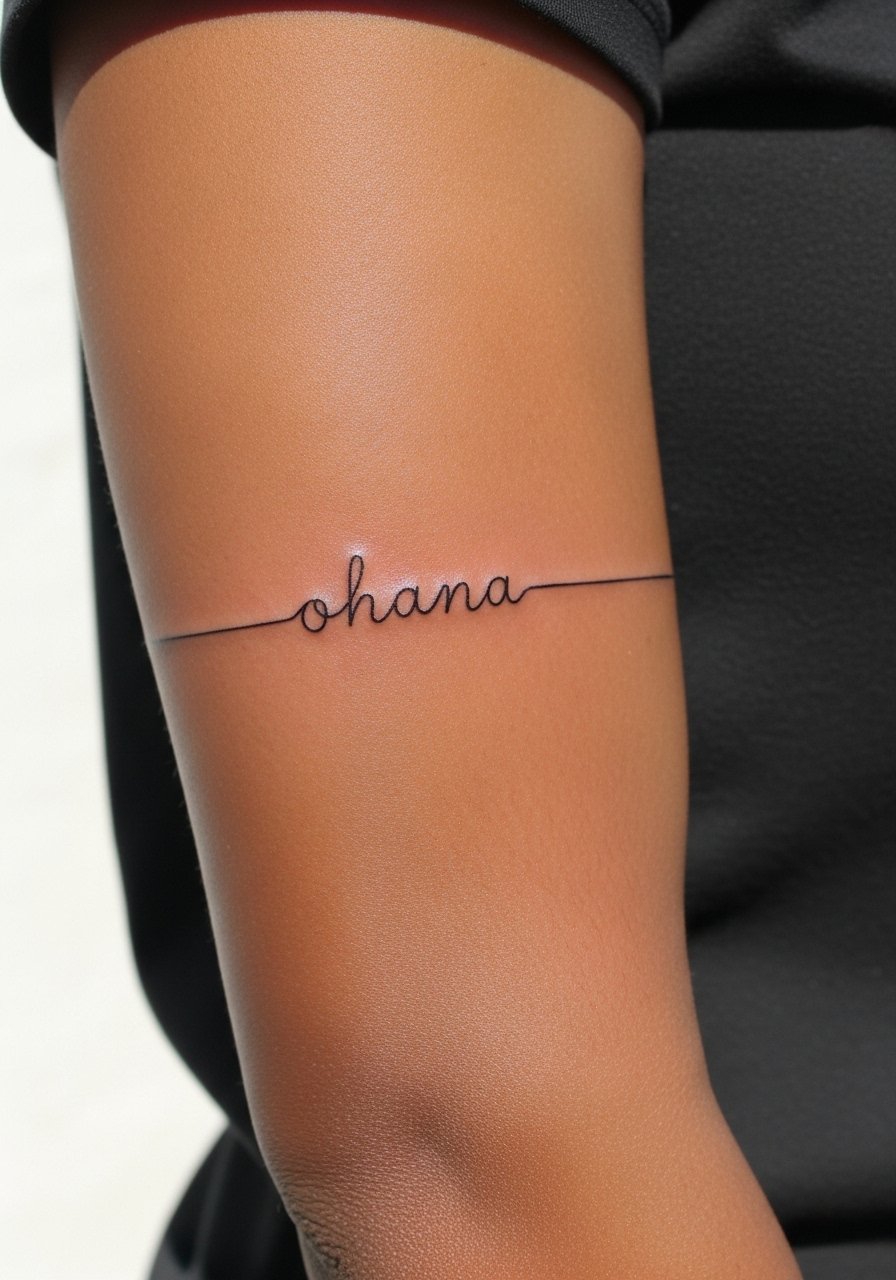
When you sit down with an artist for a micro script, bring the exact word and a font sample. Script that is too thin loses character after healing, so ask for slightly thicker hairlines and even spacing between letters. This placement hides well under sleeves and fits the arm flow. A common mistake is picking ornate lettering that needs room to breathe. Expect minor touch-ups around year two if exposure and friction are high.
6. Tiny Butterfly on the Ankle

There is a light stinging sensation at the ankle but most clients tolerate it easily. For longevity, request stronger outlines and minimal interior color so saturation stays even. Butterflies translate differently on ankles than on shoulders because the skin is thinner, so scale to about 1.5 cm to keep wing detail. A common mistake is adding too much color; micro color blobs can wash out or migrate. Plan for a touch-up if color softens after the first year.
7. Single-Line Sun on the Collarbone
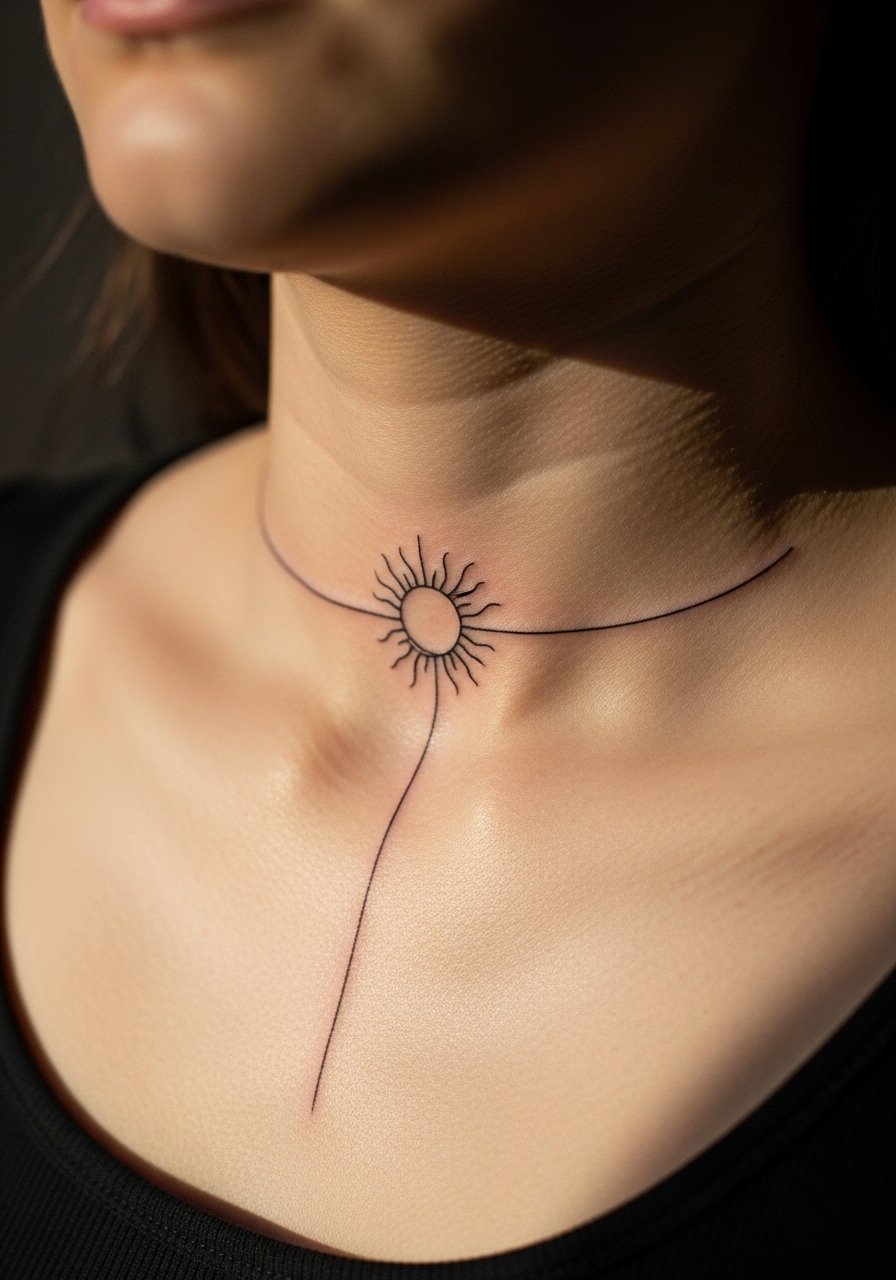
There's something about collarbone placement that reads intentionally casual. This spot gets sunlight often so UV protection matters for linework longevity. Ask for a continuous single-line version with slightly bolder stroke where lines double back so the shape keeps contrast after healing. A mistake is requesting hairline continuity without accounting for sun exposure. Expect one short session and a possible touch-up if lines fade unevenly after two years.
8. Infinity Symbol with Initials on the Inner Wrist ("A.R.")
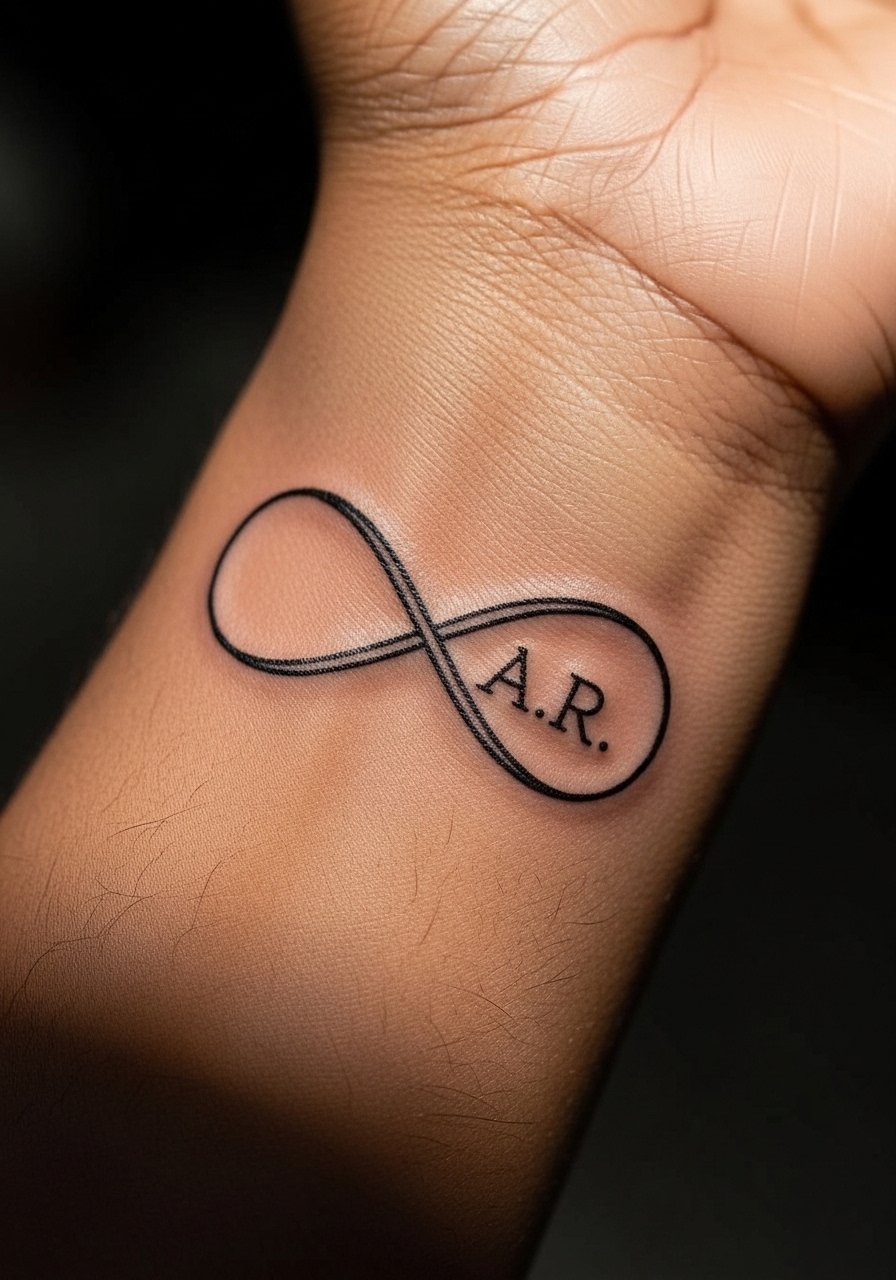
When space is small, specify exact initials and where they sit inside the infinity loop. Text like "A.R." must be readable as healed lettering, so pick simple uppercase forms. The inner wrist moves a lot which can soften edges over time, so a touch-up after the first year is common. The common error is compressing initials into a loop that makes them unreadable when healed. Session time is short, and this design pairs well with matching friends' or partner's wrist pieces.
9. Micro Star Behind the Ear

This is a low-commitment sparkle for people who like concealed accents. Tell the artist you want dot work rather than filled solid so the star keeps crispness at the edges. One camp warns the area is painful and fades quickly. Another camp points out that tiny dot work heals well if the dots are spaced and deposited deeply enough. If you wear short hair or updos often this placement reads like jewelry.
10. Paw Print on the Inner Forearm

If this is a pet tribute, decide whether you want a stylized paw or an exact print. For longevity, solid minimal fills hold better than fine-lined outlines. The inner forearm is low-pain and shows healed saturation well. A frequent mistake is over-detailing pads inside a micro print. A well-executed paw reads cleanly from across a room and usually only needs a touch-up if you want darker saturation later.
11. Wave Line on the Ribcage
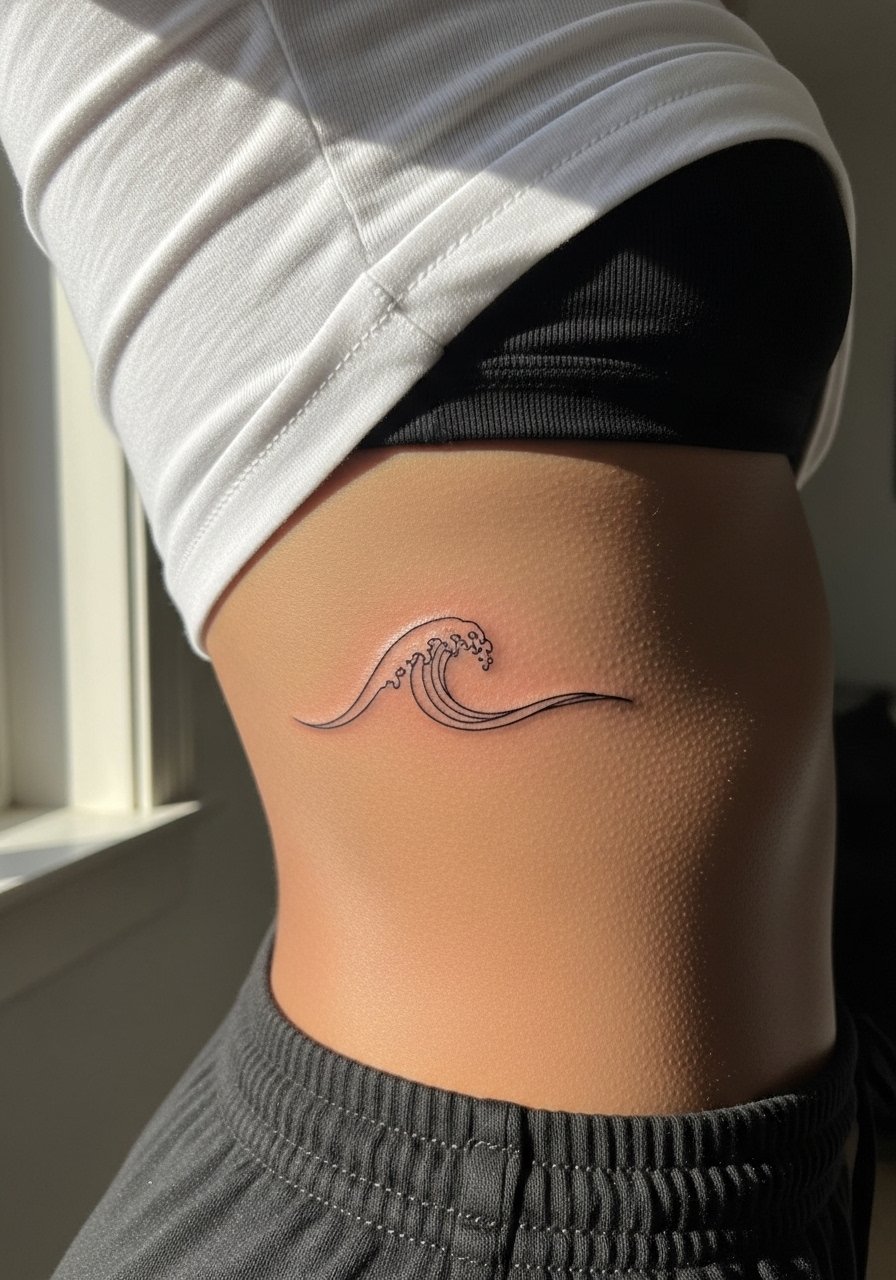
Most watercolor or soft-line work on ribs looks messy after a few years unless scaled correctly. For a micro wave, ask for a slightly thicker continuous line with gentle spacing so the curve stays defined as the body moves. Pain here is on the higher side but the visual payoff is worth it for many. A common error is making the wave too thin. Expect touch-ups depending on sun exposure and weight fluctuation over time.
12. Tiny Cross on the Ankle

Minimal faith symbols often live on ankles because they are easy to hide. Tell your artist you want crisp geometric proportions so the cross remains symmetrical when healed. The ankle sees more wear than the forearm so expect some softening of the lines in a couple of years. A common mistake is asking for ultra-thin lines that blur with regular shoe friction. Session time is short and healing is usually straightforward.
13. Micro Geometric Mountain on the Upper Forearm

When a design uses geometry, the biggest problem is scaling it too small. The mountain needs negative space between peaks to keep crisp edges as it heals. Tell your artist you want clean linework with minimal stipple shading to preserve form at one and two years healed. This placement has moderate pain and reads well with short sleeves. A real mistake is packing too many peaks into a 1 cm width.
14. Matching Wrist Scripts for Symmetry ("Breathe")

When planning matching bilateral scripts, bring mirrored references and request identical spacing. Matching pieces age differently if one wrist gets more sun or friction, so plan your maintenance accordingly. The common error is mismatched fonts or spacing, which is obvious once healed. A touch-up on the more exposed wrist is not unusual within two years. Scripts that include the exact word "Breathe" should be specified to the artist clearly in your consultation.
15. Micro Floral Fillers Between Fingers

Controversy alert: hand and finger micro work splits the community. One camp says the skin there renews too fast so micro detail fades within a year. The other camp points to experienced micro artists who place ink deeper with slightly broader strokes to make it hold. If you choose a finger filler, expect higher fade risk and likely touch-ups. A common mistake is requesting too much shading in a tiny gap. For these placements, interview artists who specialize in hand micro work and ask about their healed photos.
Tattoo Prep and Aftercare Essentials
Fragrance-free gentle foaming cleanser for new tattoos. Use this for the first wash to remove ointment and plasma without stripping ink. Gentle foaming cleansers rinse easily and reduce scab pickiness.
Lightweight fragrance-free balm for daily healing. Apply thin layers during the first week to keep skin supple and to prevent cracking. Go for a balm listed as non-comedogenic if you have oily skin.
Medical-grade second skin bandage, single-use sheets. Useful for the first 24 to 48 hours on high-friction spots like wrists or ankles. It protects fresh ink from clothing and reduces risk of contamination.
Breathable tattoo aftercare dressing strips. Keep on hand for overnight protection if you sleep on a new piece or need extra coverage when traveling.
Soft, clean cotton clothing for healing. Button-downs and loose pants help prevent rubbing on collarbones, ankles, and ribs during the first two weeks.
SPF 50+ mineral sunscreen stick. Apply once the tattoo is fully healed to protect linework from UV fade. Sticks are easy for small areas like wrists and ankles.
Moisture-wicking sleep pillow protector. Use this during the first week to keep fresh tattoos from sticking to bedding. It cuts down on accidental scab removal while you sleep.
Hydrating lotion for long-term maintenance. Keep skin moisturized after healing to preserve saturation and prevent dryness that can dull linework.
Every tattoo is different. Always follow your artist's specific aftercare instructions. Consult a dermatologist if you have skin concerns or unusual healing issues.
Frequently Asked Questions
Q: How likely is a fine line wrist tattoo to need a touch-up?
A: From what I've seen, fine line wrist tattoos commonly need at least one touch-up within the first one to two years. The wrist moves a lot and gets sun exposure. Ask your artist about slightly bolder lineweight and plan a touch-up budget if you want crispness down the line.
Q: Are behind-the-ear micro tattoos worth the pain and fade risk?
A: It depends on what you want. Behind-the-ear pieces hurt more for many people but heal cleanly if placed properly. There is a debate in the community about fade versus longevity. If concealability matters, that placement is hard to beat. Bring reference photos and ask the artist how they manage depth and spacing.
Q: Should I avoid finger and hand micro tattoos if I want them to last?
A: Expect higher fade rates on fingers and hands. One camp says these spots blur quickly because of skin renewal. The other camp notes that experienced artists can improve longevity with technique. If you proceed, choose thicker linework, accept likely touch-ups, and keep expectations realistic.
Q: What should I tell an artist when I want a micro script like "Ohana"?
A: Bring the exact word and a font sample. Specify letter spacing and ask for slightly increased lineweight so letters remain legible when healed. Also show where you want it on the arm so the artist can scale it to body curves.
Q: Which aftercare product is best for the first 48 hours?
A: A medical-grade second skin bandage works well for the initial period because it protects against friction and contamination. After removal, switch to a fragrance-free gentle cleanser and a lightweight balm from the shopping list. If irritation appears, consult a dermatologist.
Q: How do I find artists who specialize in micro tattoos for women?
A: Use style-specific hashtags, Instagram location tags, and tattoo directories to find micro-focused portfolios. Search for healed photos showing fine line, stipple shading, and dot work on similar skin tones and placements. Ask shops about healed portfolios and whether they do touch-ups for micro work.
