
I spent months collecting memorial tattoo ideas after losing someone close. I learned that the right style keeps a memory alive, and the wrong one fades into a blur. These designs focus on legible linework and meaningful symbols that age well. Use them as starting points, not final art.
This list leans into fine line, micro-realism, traditional, and blackwork. Most designs work for inner forearm, ribcage, chest, and behind the ear. From what I've seen in 2026, clean script and small portraits hold better than blown watercolor in high-friction areas.
1. Fine Line Script Date On Inner Wrist
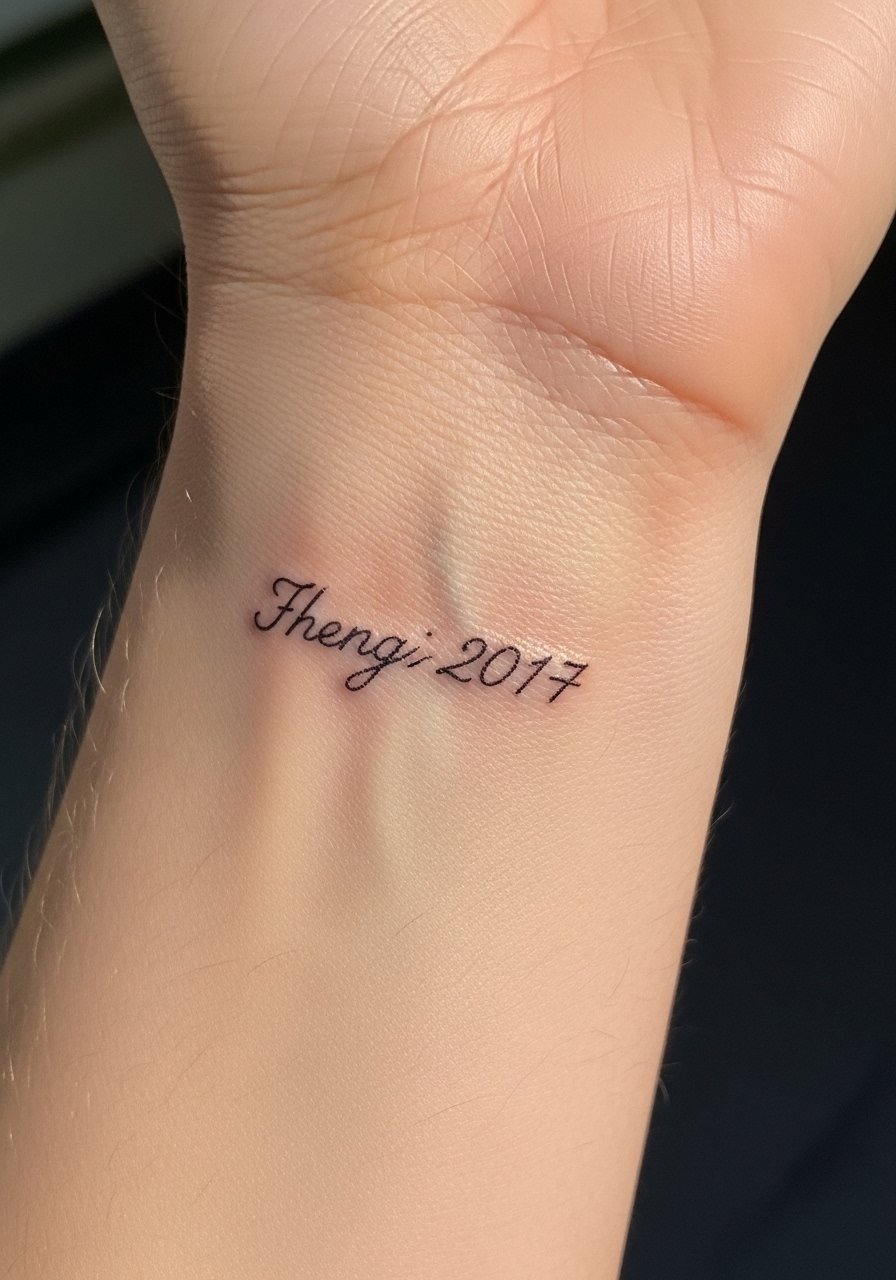
I first saw this on a friend who wanted something private and readable. Fine line script works well on the inner wrist because the skin stays flat and shows detail. Expect a 2 out of 10 pain level. Session time is short, often under 30 minutes. Tell your artist to use slightly heavier line weight than a hairline so the numerals stay legible at two years. The common mistake is asking for ultra-thin lines that vanish. At six months you will see slight softening. At two years you might need a small touch-up. If you want to pair it with a birth flower, place the flower slightly larger so it does not blur into the numbers.
2. Micro-Realism Portrait On Upper Arm
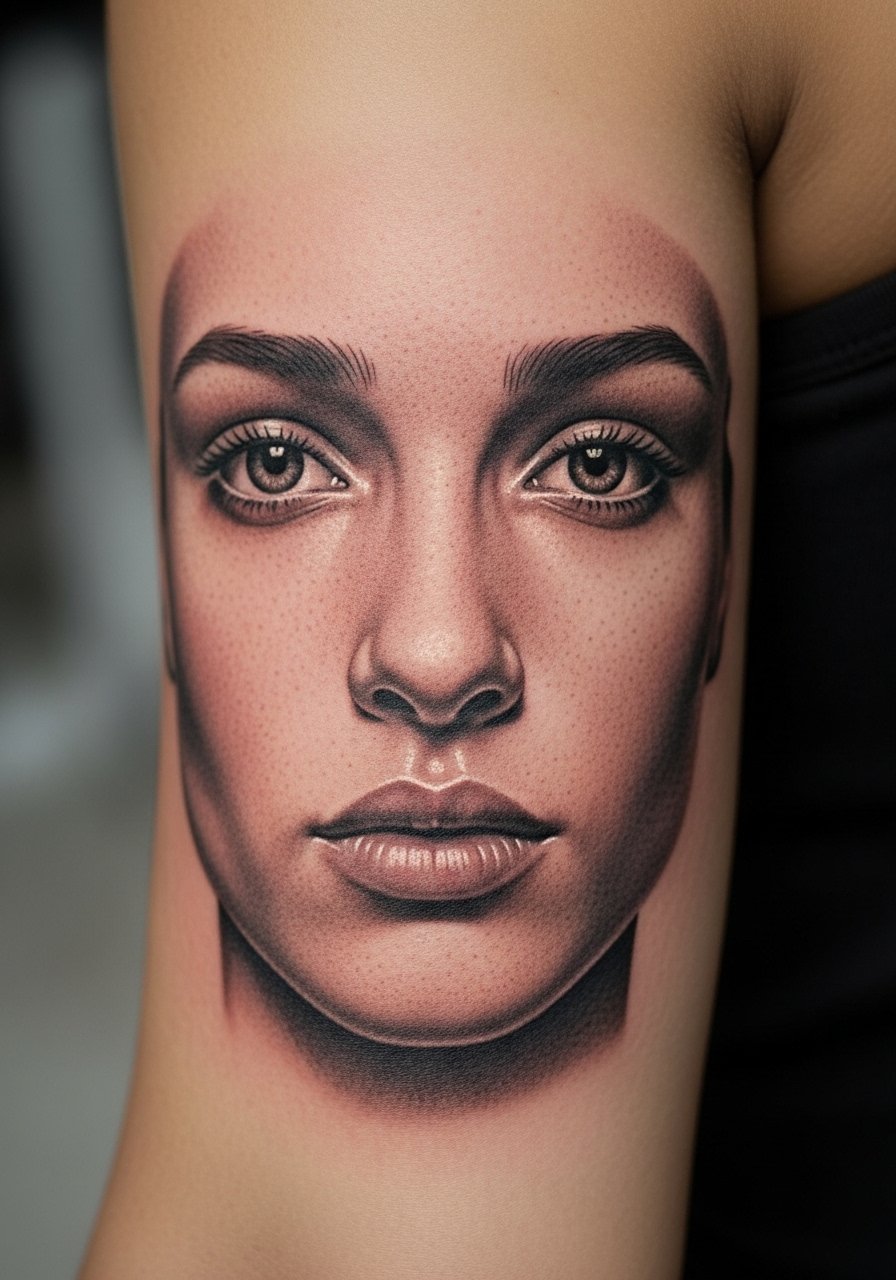
Fair warning, realistic portraits require a skilled micro-realism artist. I saw one portrait heal badly because the client picked someone who only did traditional work. Pain is moderate on the upper arm. Sessions can be long, often two to four hours. During consultation show multiple high-resolution photos and point out which facial features matter most to you. A common mistake is insisting on too small a size. Under-scaling causes loss of likeness as fine gradients blend over time. At six months the skin shows texture but the subject is recognizable. At five years you may need color refreshes. Portraits work better on fleshy areas than bony placements.
3. Minimalist Line Art Bird On Collarbone
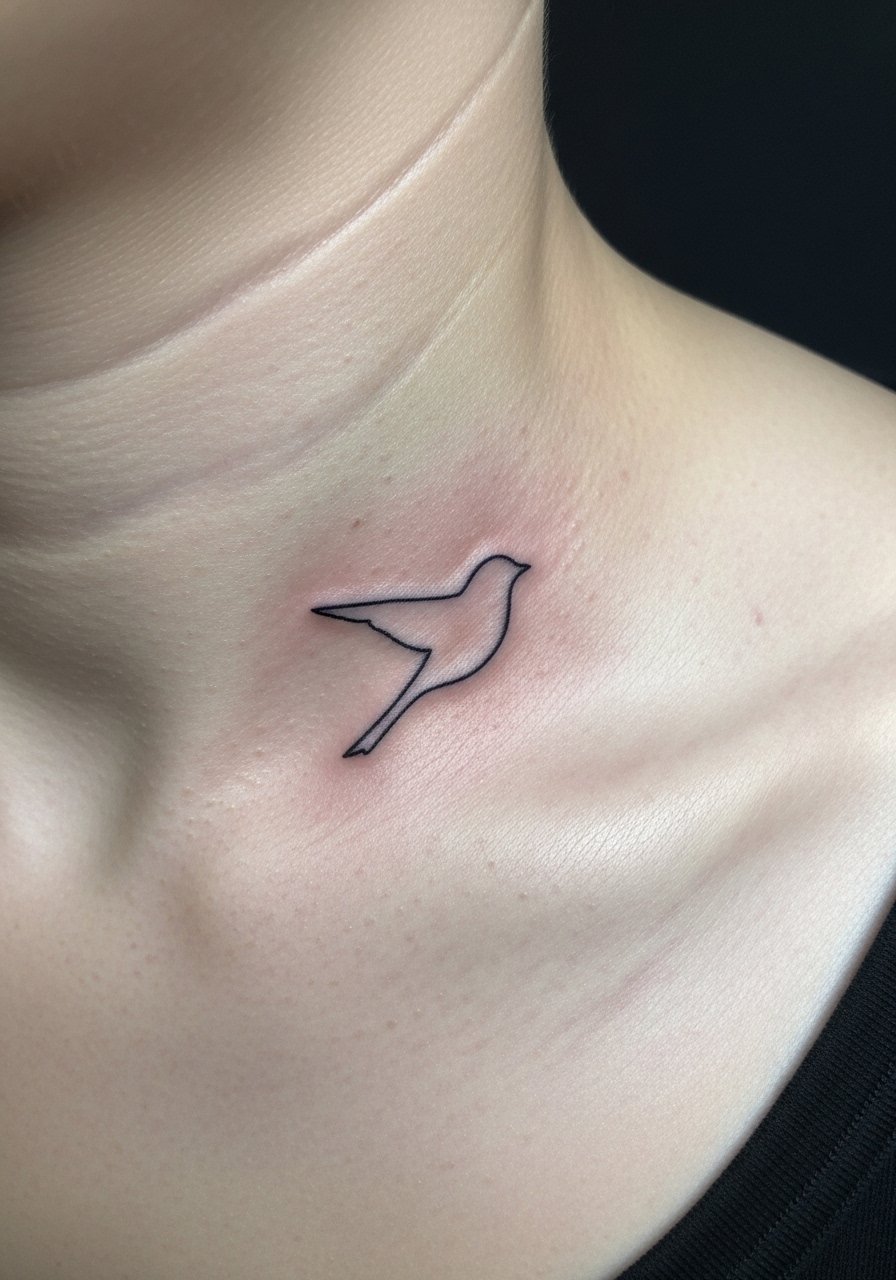
I picked this design after seeing memorial birds trending in small-scale linework. The collarbone is a striking placement but it can sting. Pain ranges five to seven out of ten depending on your tolerance. Ask your artist for a slightly larger wing span than the thumbnail sketch. Tiny line birds often blur into a dark smudge. Expect a single short session. Healing takes two weeks for the surface and longer for lines to settle. At six months the wings look softer. At two years you might see slight fading where clothing rubs. If you want movement, request feather texture rather than a single continuous line.
4. Traditional Rose With Name On Chest
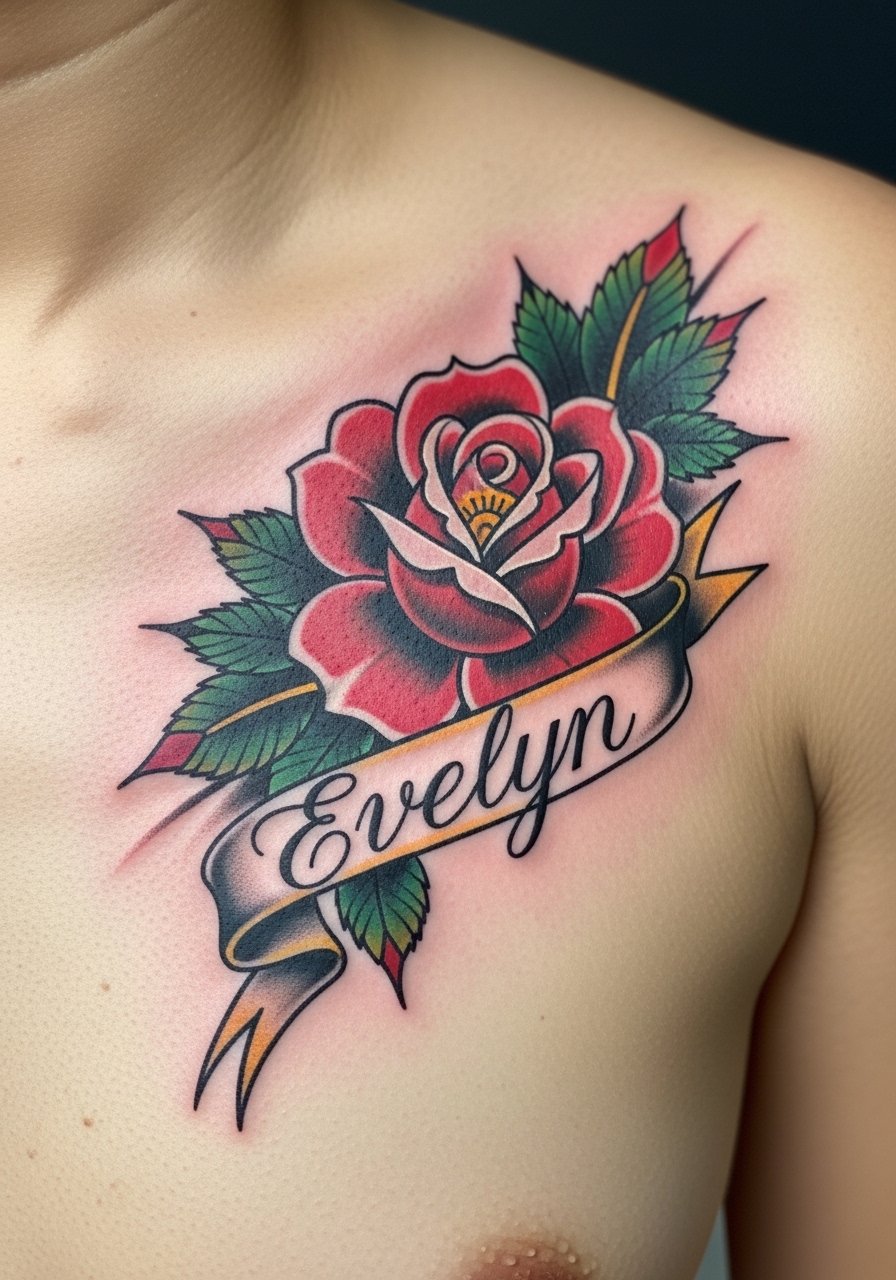
There's something about bold traditional roses that reads clearly from across a room. I got one after a family member passed. Chest placement protects color from sun when covered. Pain is moderate. Traditional line weight holds up because artists use thicker outlines. Ask for saturated pigments and clear negative space inside petals. A mistake I see is over-detailing small roses. Those details clog as the tattoo heals. Expect one to two sessions depending on size. At six months colors will soften. At five years the outline still anchors the design. If you want a name banner, have the artist stencil the exact font on your skin so you can read it before ink.
5. Micro-Realism Pet Portrait On Thigh
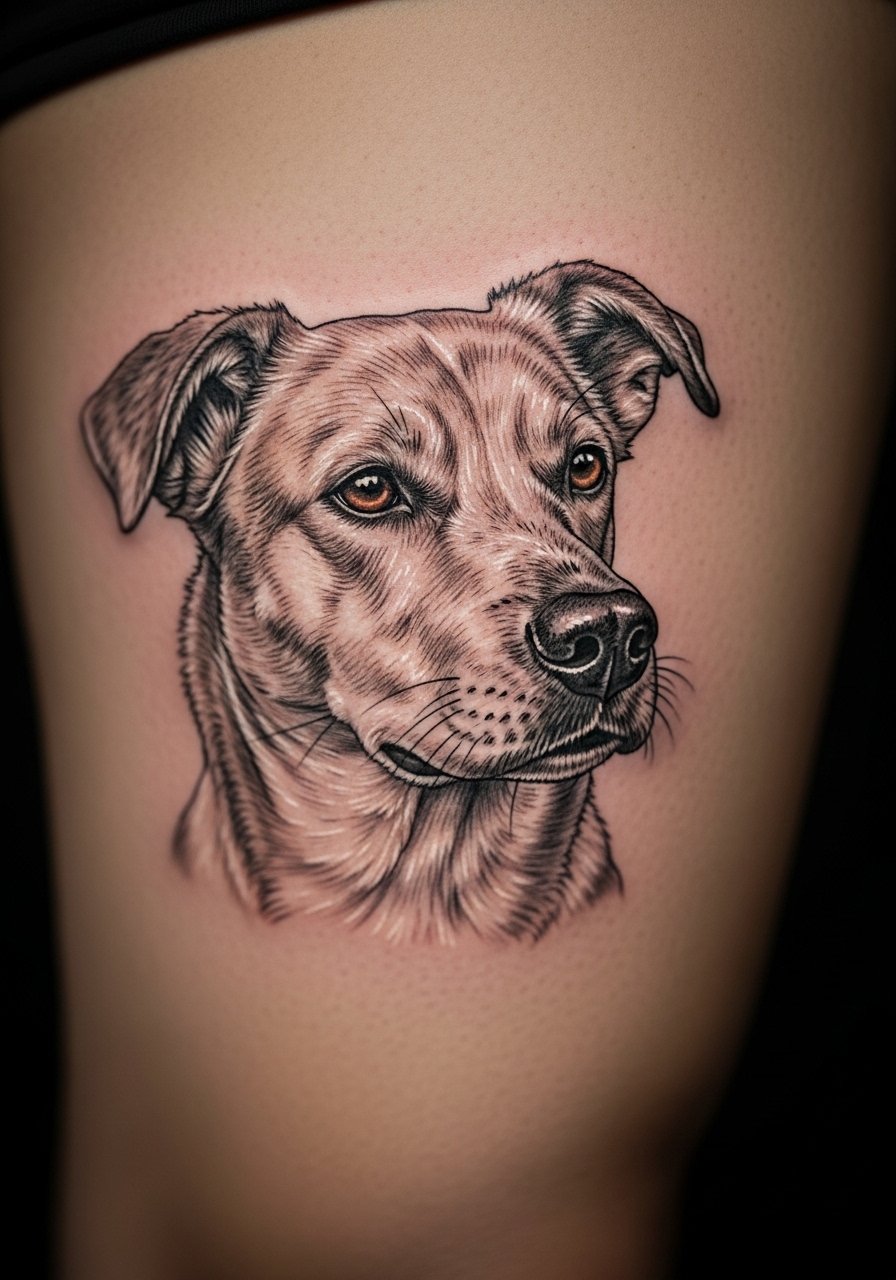
I recommend the thigh for pet portraits because it gives space for tonal work. Pain is low to moderate and sessions can be long. When I consulted artists they told me photos with clear eyes and face are essential. A common mistake is sending a blurry smartphone pic. Ask for a reference where the fur and eyes are crisp. A 3 to 4 inch portrait ages better than a 1 inch one. At six months details remain sharp. At three years some mid-tones will soften. If you plan to add color, ask about muted palettes because saturated colors can bleed in fleshier areas.
6. Scripted Lyrics On Ribcage
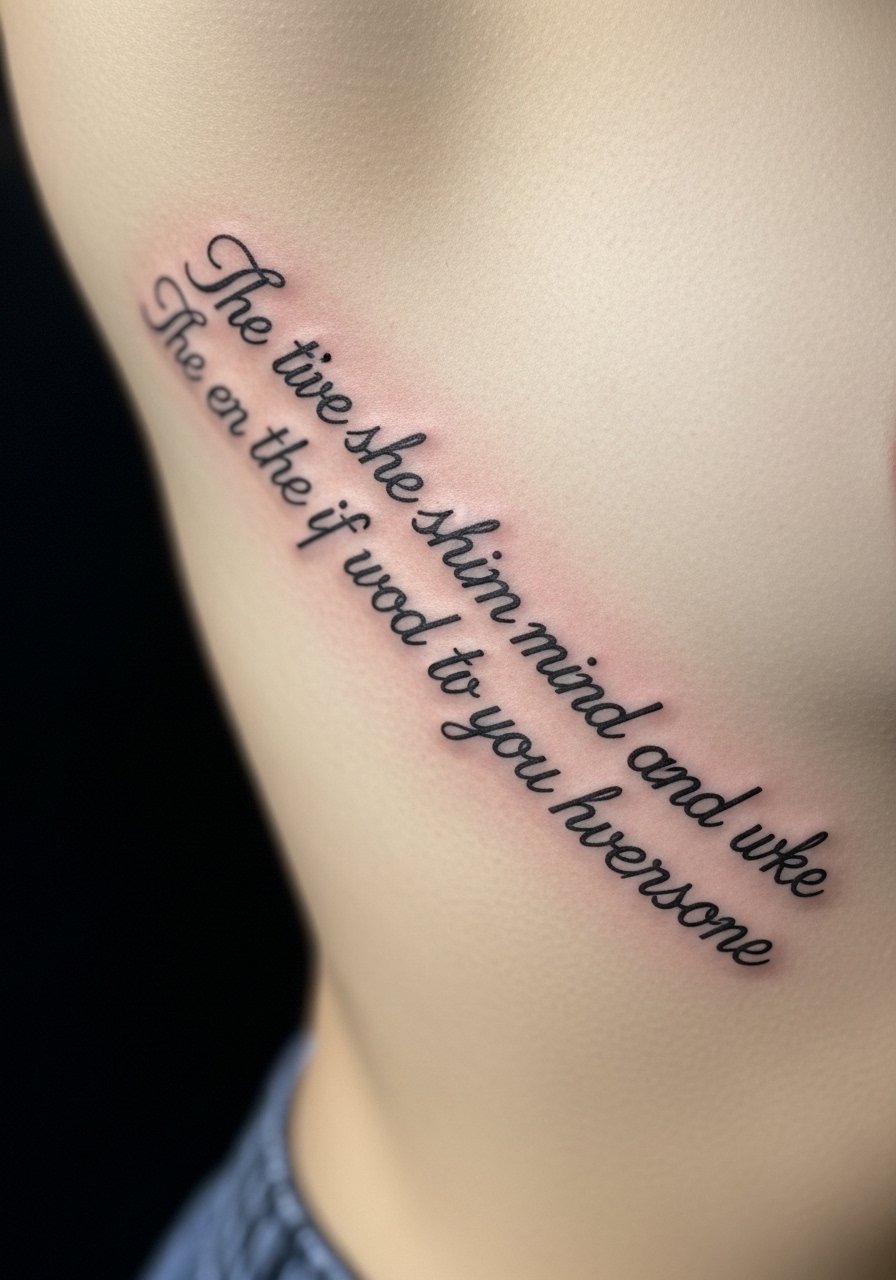
Fair warning, ribs hurt. I have had a ribcage piece and I remember the sting. But the canvas is long and intimate. Session times vary from 30 minutes for short lines to multiple sessions for longer text. Ask your artist to stencil it and to show how breath and stretch change letter spacing. Common mistakes include cramming too much text. Smaller text on ribs blurs faster. At six months the letters look softer. At two years the script may need a boldening touch-up. If you want the text to sit under clothing, choose a size that reads from three feet away when healed.
7. Blackwork Infinity Knot Behind Ear
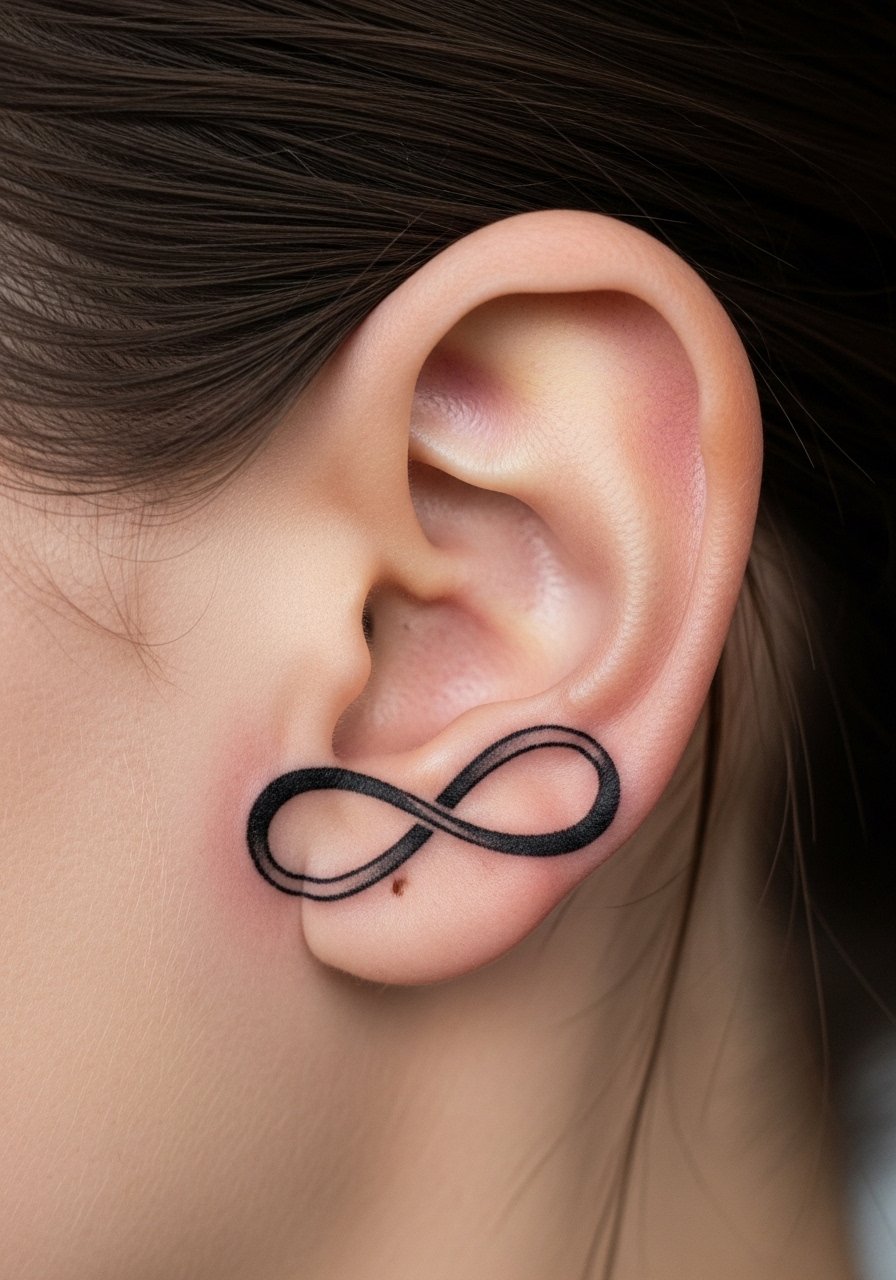
I noticed behind-the-ear memorials are growing in popularity because they are discreet. Pain is high for such a small area. Sessions are short, often under 20 minutes. Blackwork holds up well in that spot because contrast is everything. A mistake I see is overcomplicating the knot with micro-lines. Keep it bold. Tell your artist you want a strong outline so the shape remains clear at one and three years. At six months edges relax slightly. At five years the silhouette should still read. If you sleep on that side a lot, expect slightly slower healing.
8. Watercolor Feather On Ribs With Name
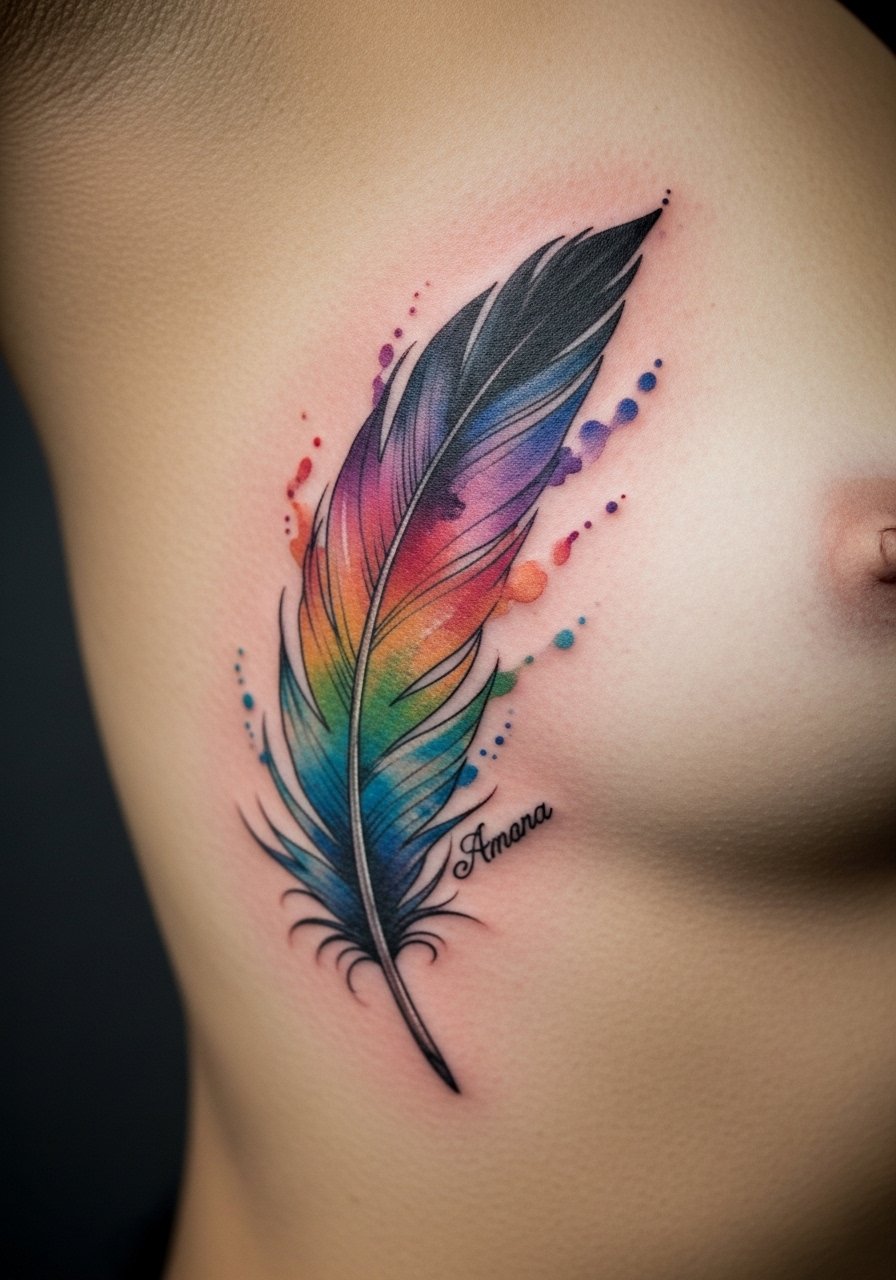
Most watercolor pieces on ribs fade unevenly if done too light. I learned this after seeing several blur within a year. If you want watercolor, pair it with a fine black anchor line, like a name or feather spine. Pain is high in the ribs. Sessions vary. Ask your artist to keep pigment density a bit higher than on arms. The common mistake is expecting the fresh vibrancy to last unchanged. At six months colors mellow and edges soften. At two years some colors may need refreshes. If you are sensitive to pain, plan for short sittings and breaks.
9. Dotwork Mandala On Sternum
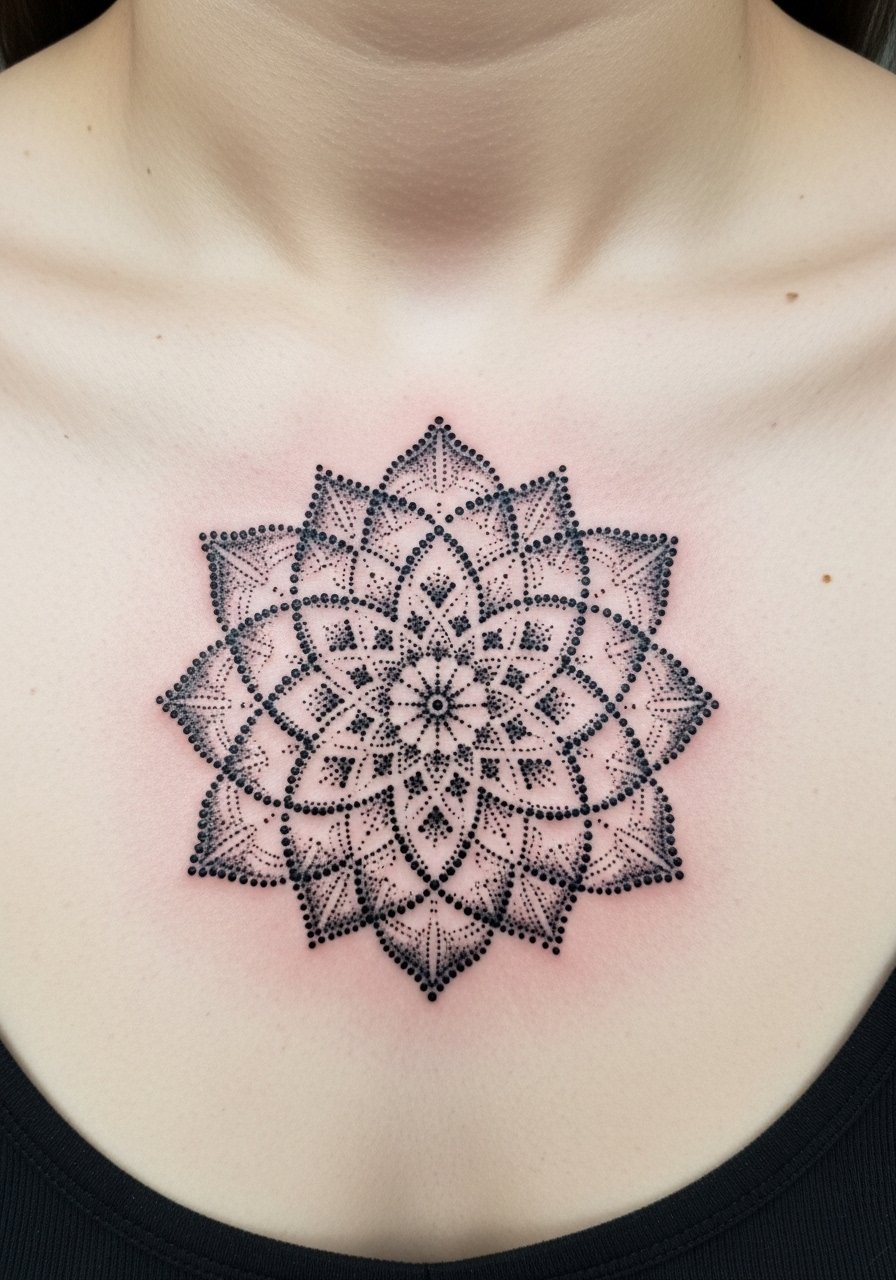
I was drawn to sternum mandalas for memorial pieces because of their symmetry. The sternum can be painful. I advise short sessions focused on sections. Dotwork ages nicely because dots leave forgiving texture. Tell your artist which radius you want the mandala to reach. Too small and the detail looks muddy at one year. A common mistake is overcomplicated inner fills. At six months dots settle and the pattern softens slightly. At three years the mandala still reads if the dots were spaced correctly. If you plan to sleep in compressed clothing, expect some initial irritation.
10. Minimalist Heartbeat Line On Inner Forearm
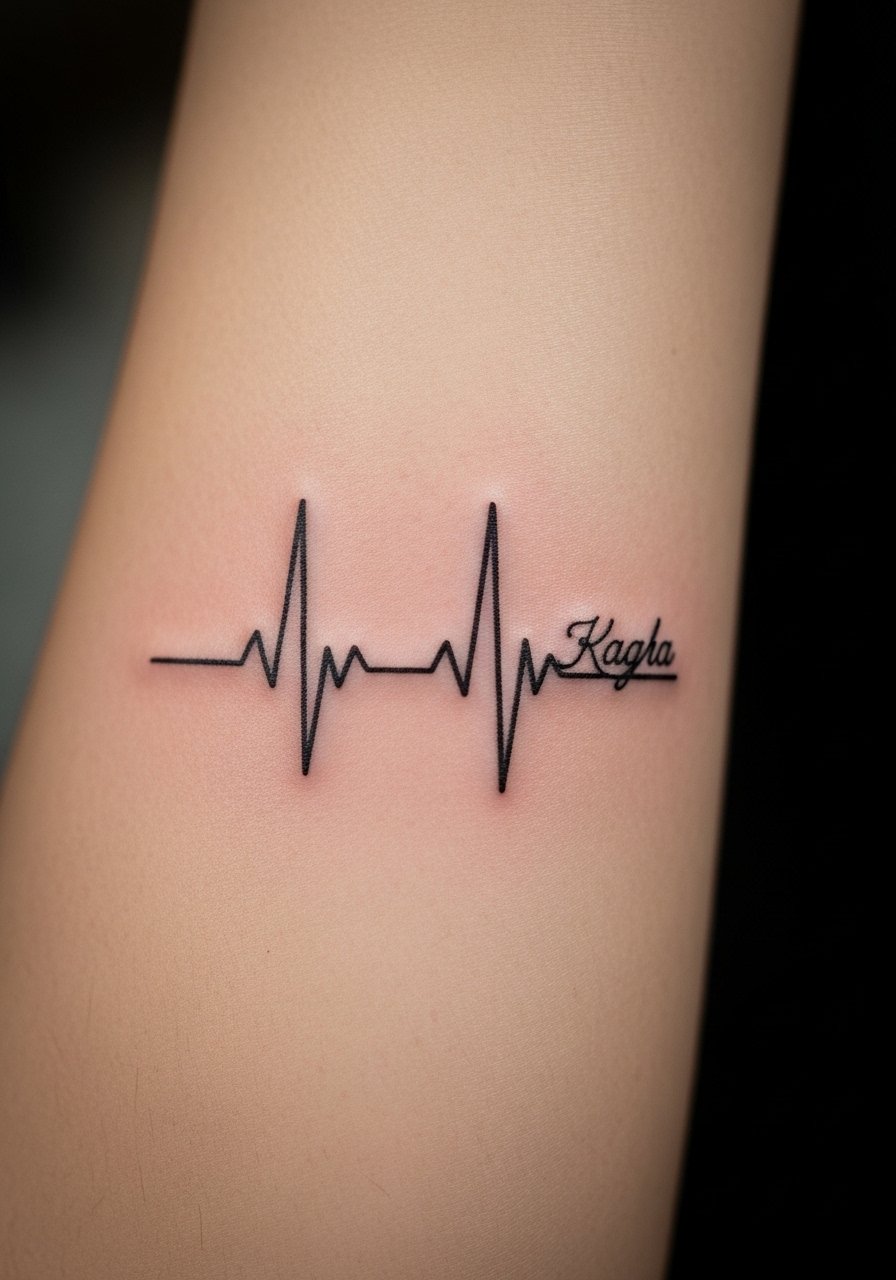
I saw this as a memorial after a hospital stay and it felt personal. The inner forearm is a forgiving spot with low pain. Sessions are short. Tell your artist which portion of the waveform you want emphasized. The common mistake is placing the line so small it disappears at two years. Ask for slightly bolder peaks. At six months the line will have softened a bit. At five years a thicker rendition keeps the waveform legible. If you plan to add color, place it behind the line rather than inside it so the waveform remains primary.
11. Single-Needle Script Behind Collarbone
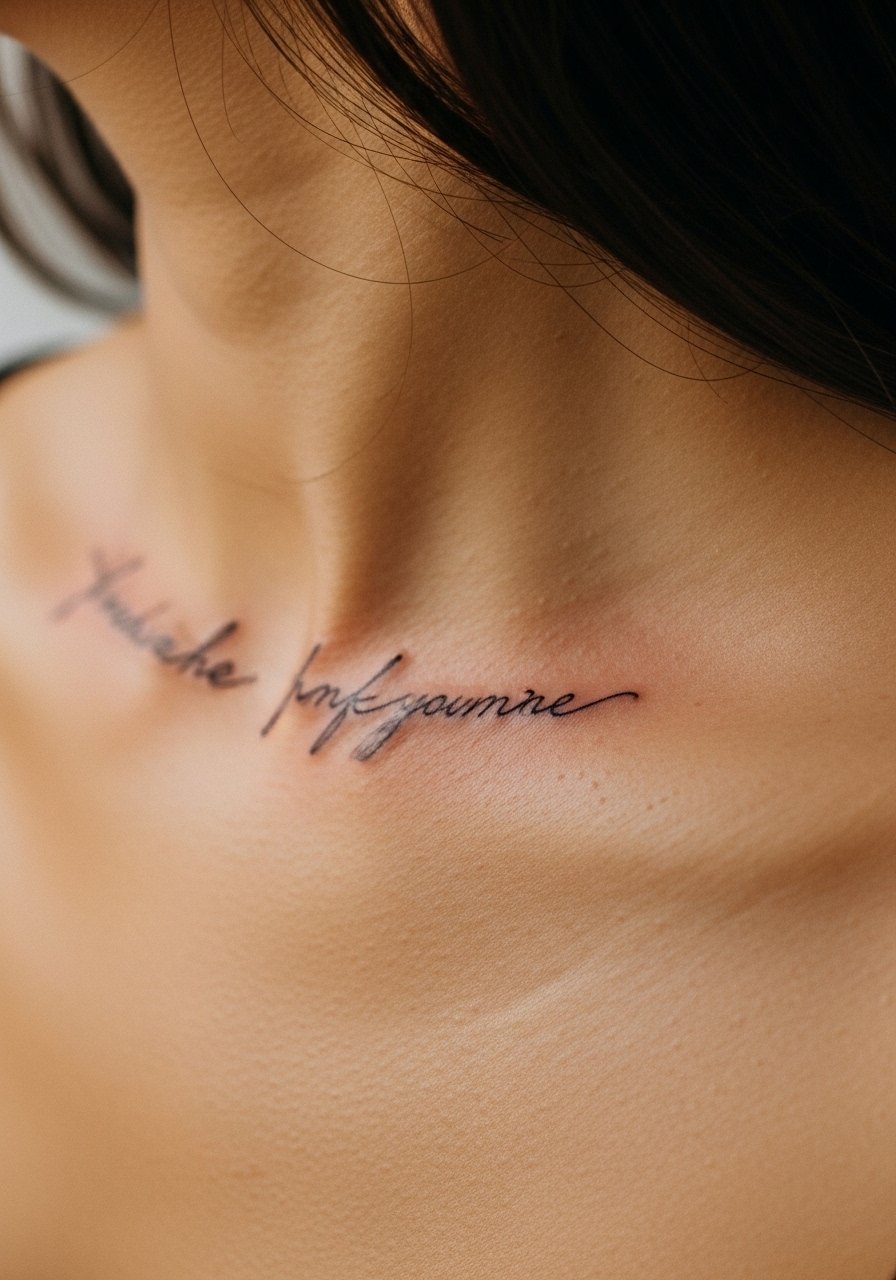
I got a behind-collarbone script and I found healing there takes gentle care. Pain is moderate. Single-needle offers elegance but it can blur. I tell clients to ask for slightly bolder single-needle work. The mistake is insisting on hairline letters. At six months the script looks soft and intimate. At two years hairline work on this spot can lose contrast. If you want discrete placement that can be shown or hidden, this is ideal. Mention your preferred font weight in the consult. A touch-up after a year is common.
12. Blackwork Cross On Upper Back
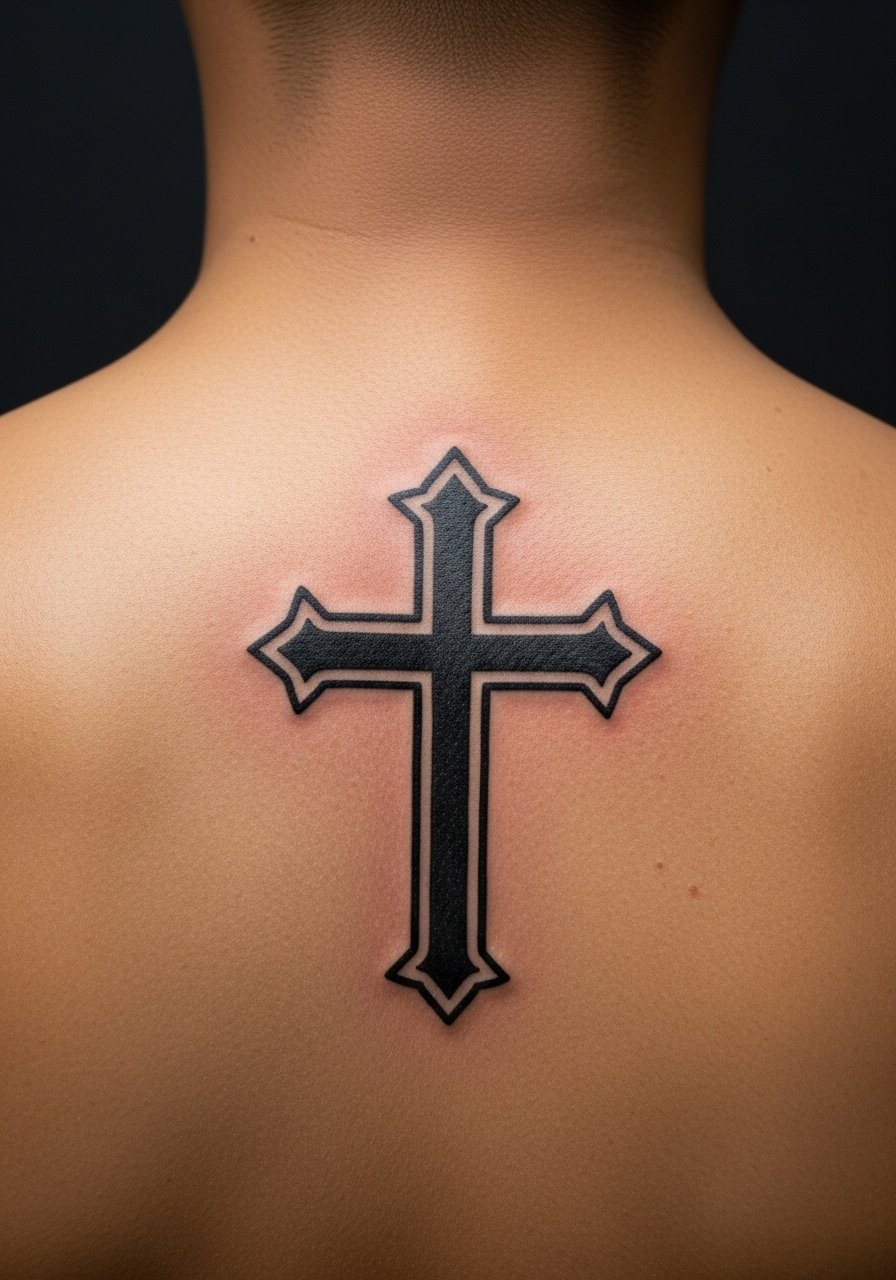
When grief felt heavy, many people I know turned to classic black crosses. The upper back is low pain and high protection from sun. Blackwork maintains clarity because of heavy outlines. Tell your artist if you want texture inside the cross or solid fill. A common mistake is overly fine internal detail. That tends to blend. At six months solid black looks even. At five years the silhouette still holds. If you plan to wear backpacks often, expect friction, and ask about placement slightly off the spine.
13. Fine Line Birth Flower Ankle Band
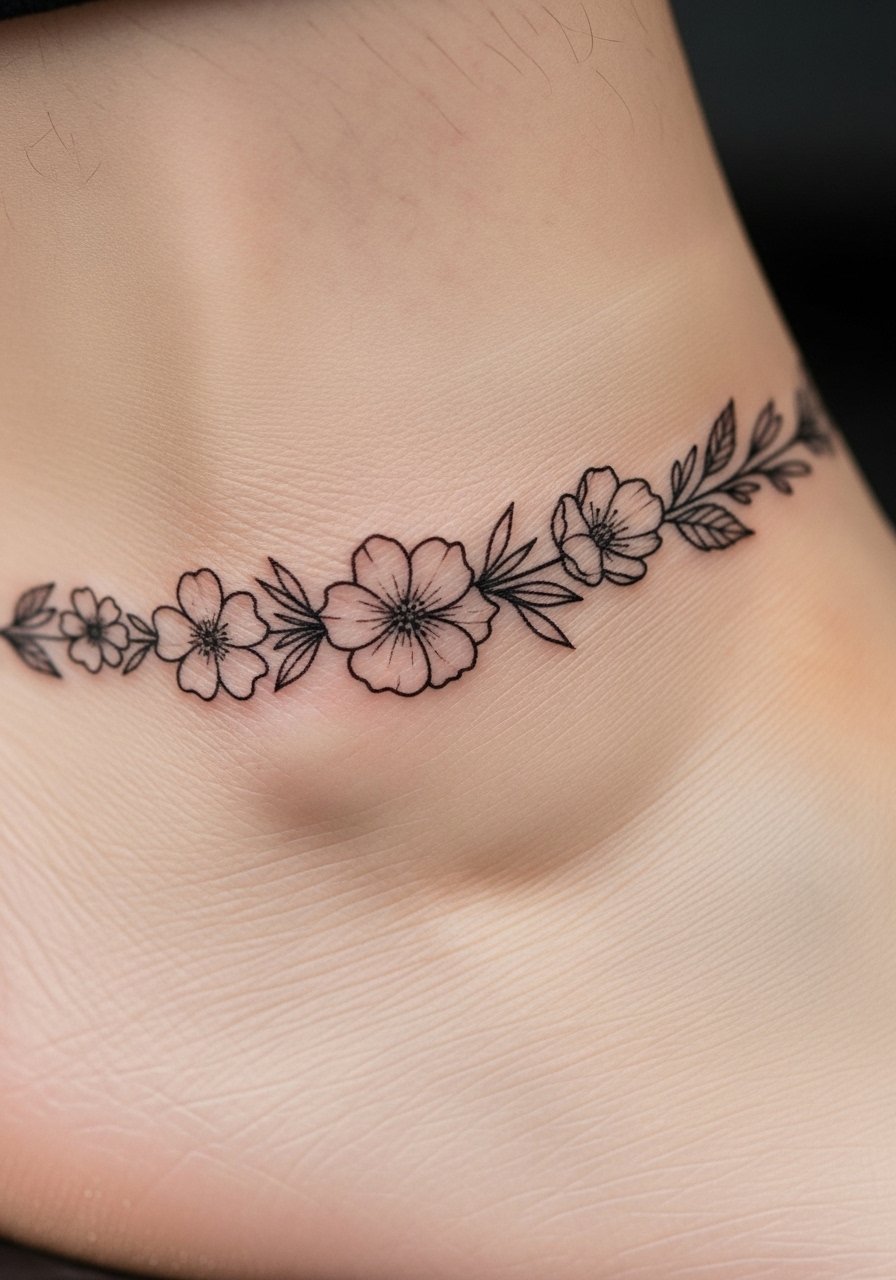
I love ankle bands because they are visible yet personal. Expect moderate pain due to thin skin. Fine line florals do well here if scaled properly. Tell your artist the exact species. Mistakes happen when artists shrink the petals too small. At six months small details soften. At two years a slightly larger petal keeps shape. For gardeners or runners, placement on the outer ankle gets less friction. If you want multiple flowers, stagger sizes so each one keeps definition.
14. Micro-Realism Handwriting On Inner Bicep
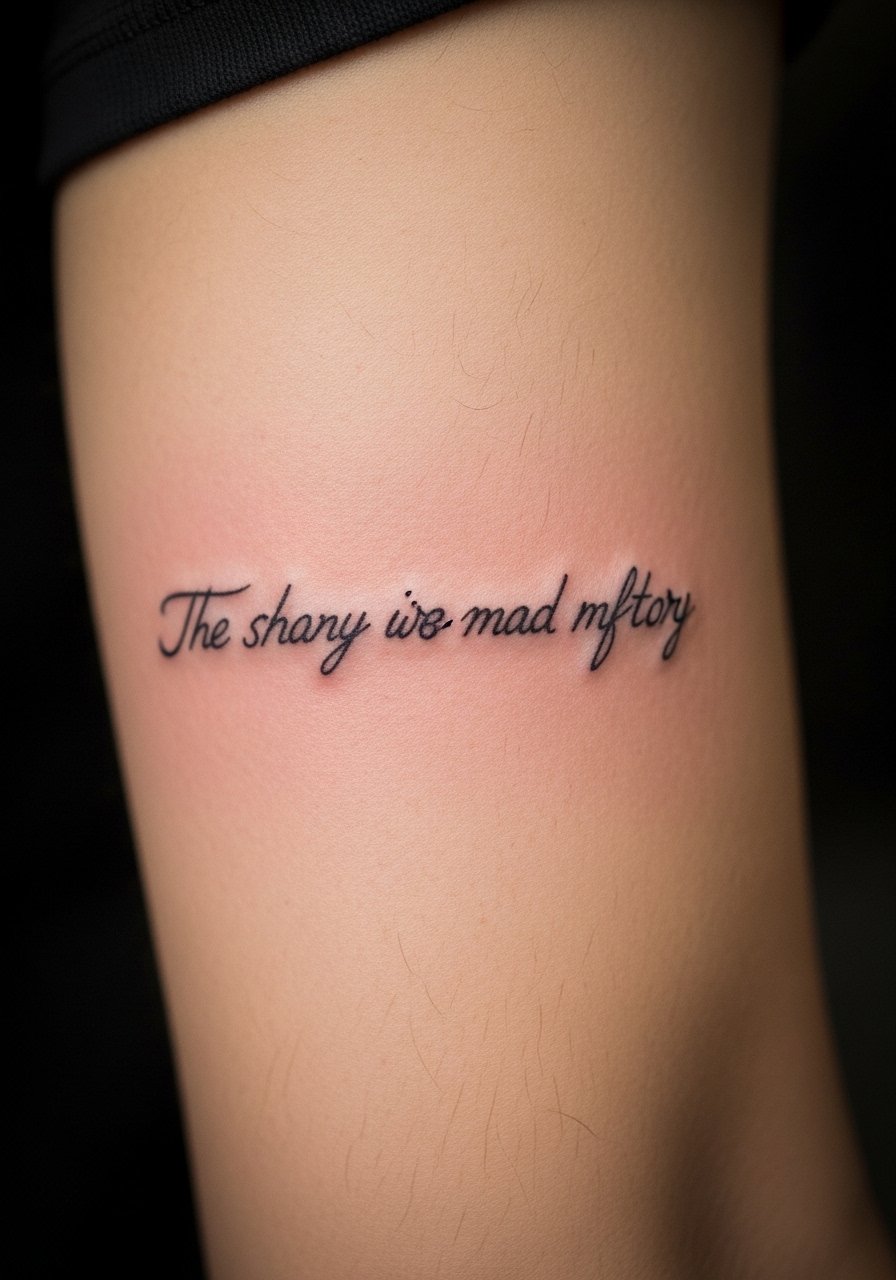
I saw a memorial using a loved one's handwriting and it felt more intimate than a name. The inner bicep is a forgiving canvas with lower pain. Sessions are moderate in length. Bring a clear scan of the writing and point out which strokes matter most. Common mistakes are asking for a tiny version of long handwriting. That loses personality. At six months the strokes remain readable. At three years hairline flourishes may thicken slightly. If you want the writing to wrap, discuss flow and muscle movement with your artist.
15. Traditional Sailor Compass On Calf
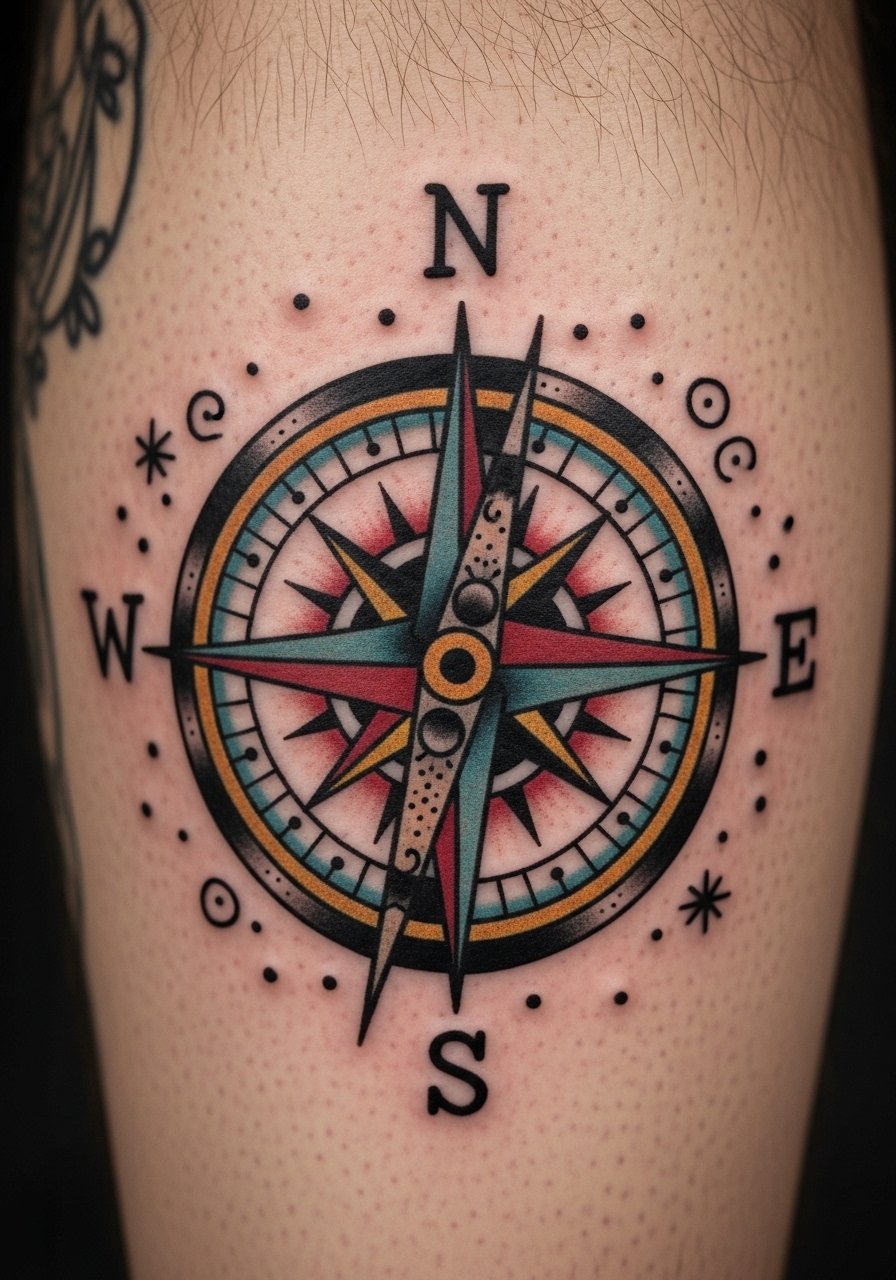
From what I've seen, compasses symbolize guidance and memory. The calf is a low-pain area with room for bold traditional work. Sessions can be short to moderate. Ask for clear cardinal markers so the symbol stays recognizable as it ages. A common mistake is tiny ornamental lines. Those fill in. At six months the compass looks solid. At five years the outline still anchors the form. If you spend a lot of time in shorts, this area gets sun exposure. Discuss a maintenance plan with your artist.
16. Blackwork Silhouette On Ribcage
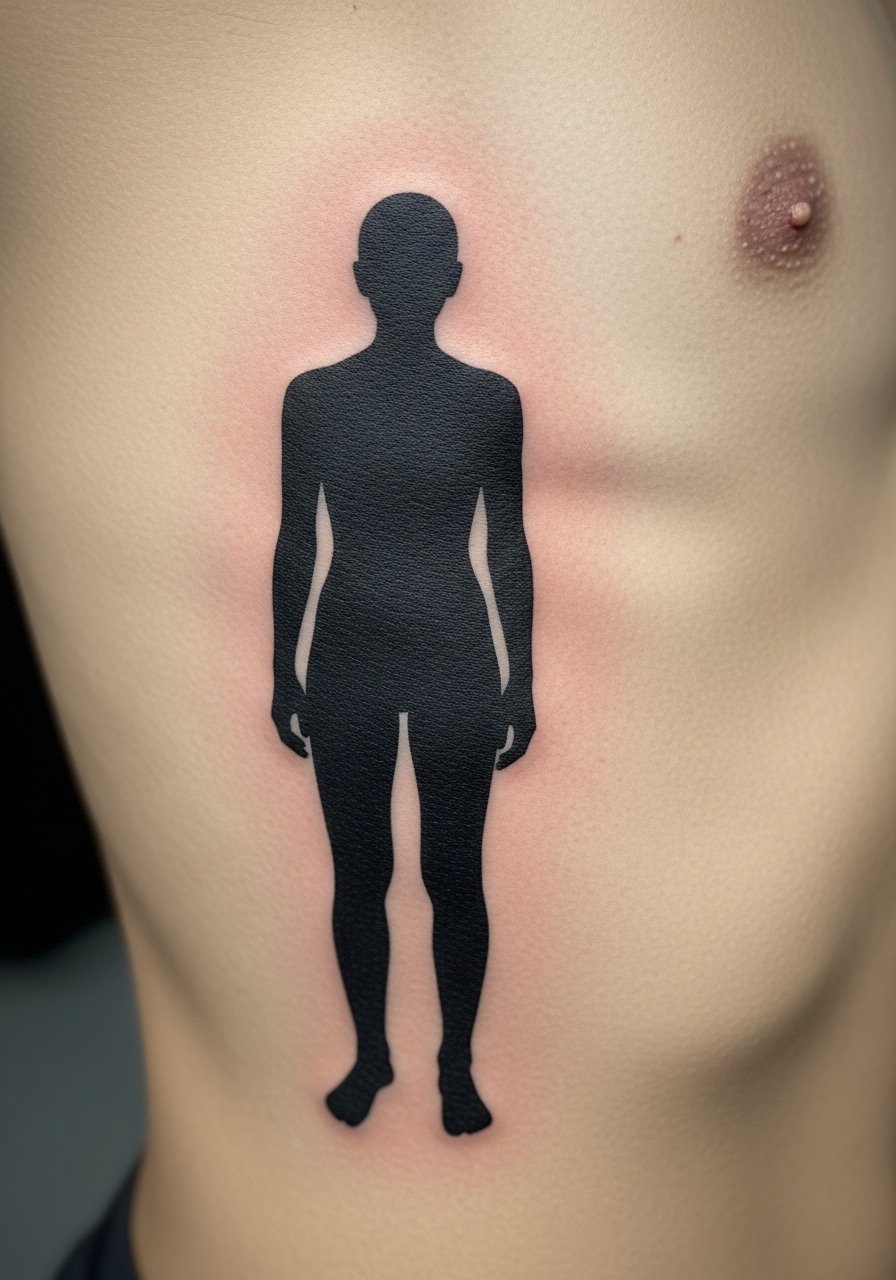
I recommend silhouettes for stark memorial statements. Ribcage placement is painful but private. Blackwork silhouettes age well because they avoid fine detail. Sessions can be completed in one visit if not too large. Tell your artist you prefer solid fill rather than shaded gradients. The mistake I see is using gradients that look muddy after a year. At six months the silhouette reads strongly. At three years the shape holds. If you want to add text later, leave a margin for balance.
17. Minimalist Palm Leaf On Top Of Foot
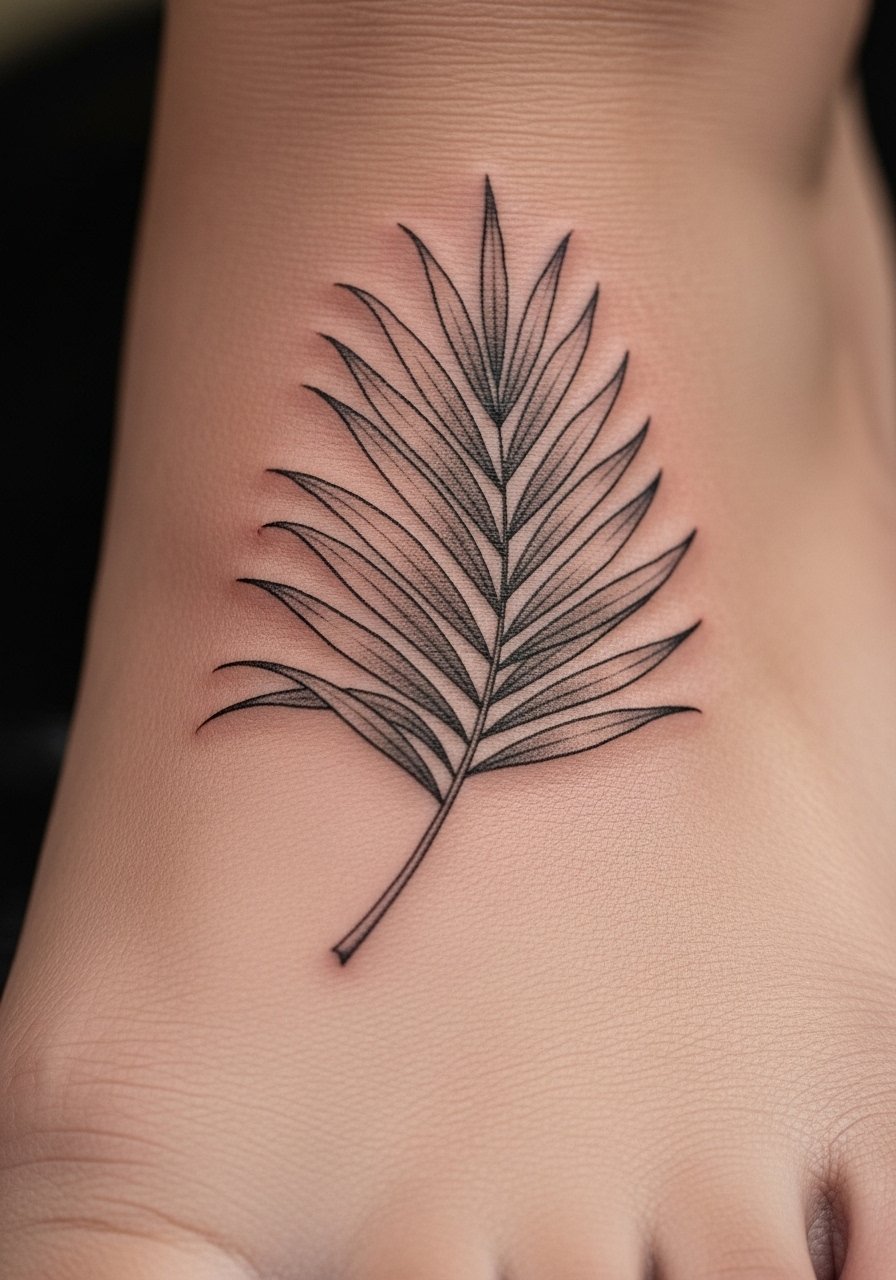
Top-of-foot tattoos can be tender. I noticed light, botanical memorials there look delicate. Pain can be high. Sessions are short. Ask your artist about line thickness because feet experience more friction. The common mistake is a too-fine stem. That disappears. At six months the leaf softens. At two years thicker lines preserve the silhouette. If you wear closed shoes a lot, expect slower healing and avoid tight footwear while it scabs.
18. Script And Small Anchor On Wrist
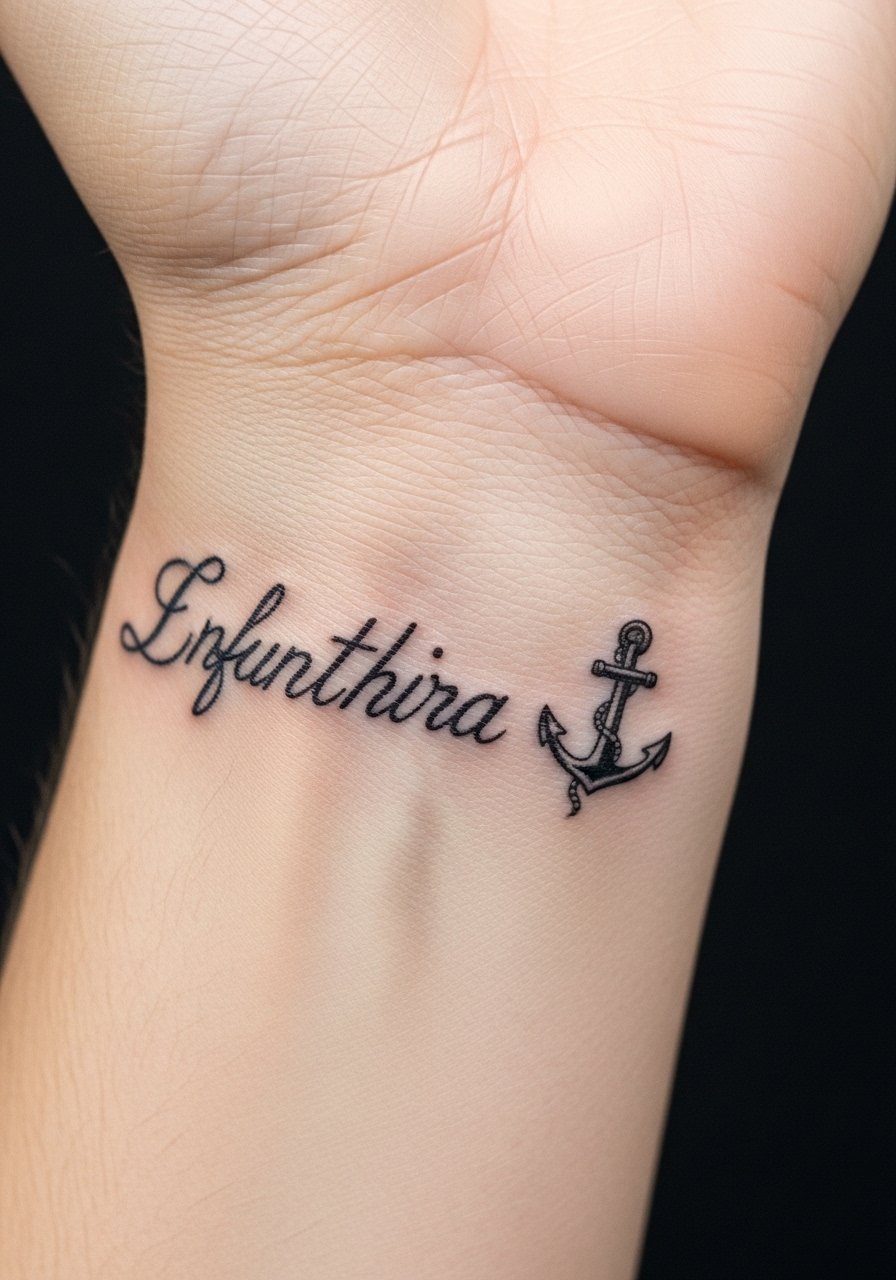
I saw this as a way someone memorialized a sailor relative. The wrist shows easily and heals quickly. Pain is low to moderate. Session time is under an hour for compact scripts. A mistake I see is placing the anchor too close to the script. Let each element breathe. At six months the composition reads cleanly. At three years small anchors keep shape if they have a solid outline. If you want matching pieces with another person, show both wrists during your consult so spacing aligns.
19. Watercolor Splash With Black Outline On Shoulder Blade
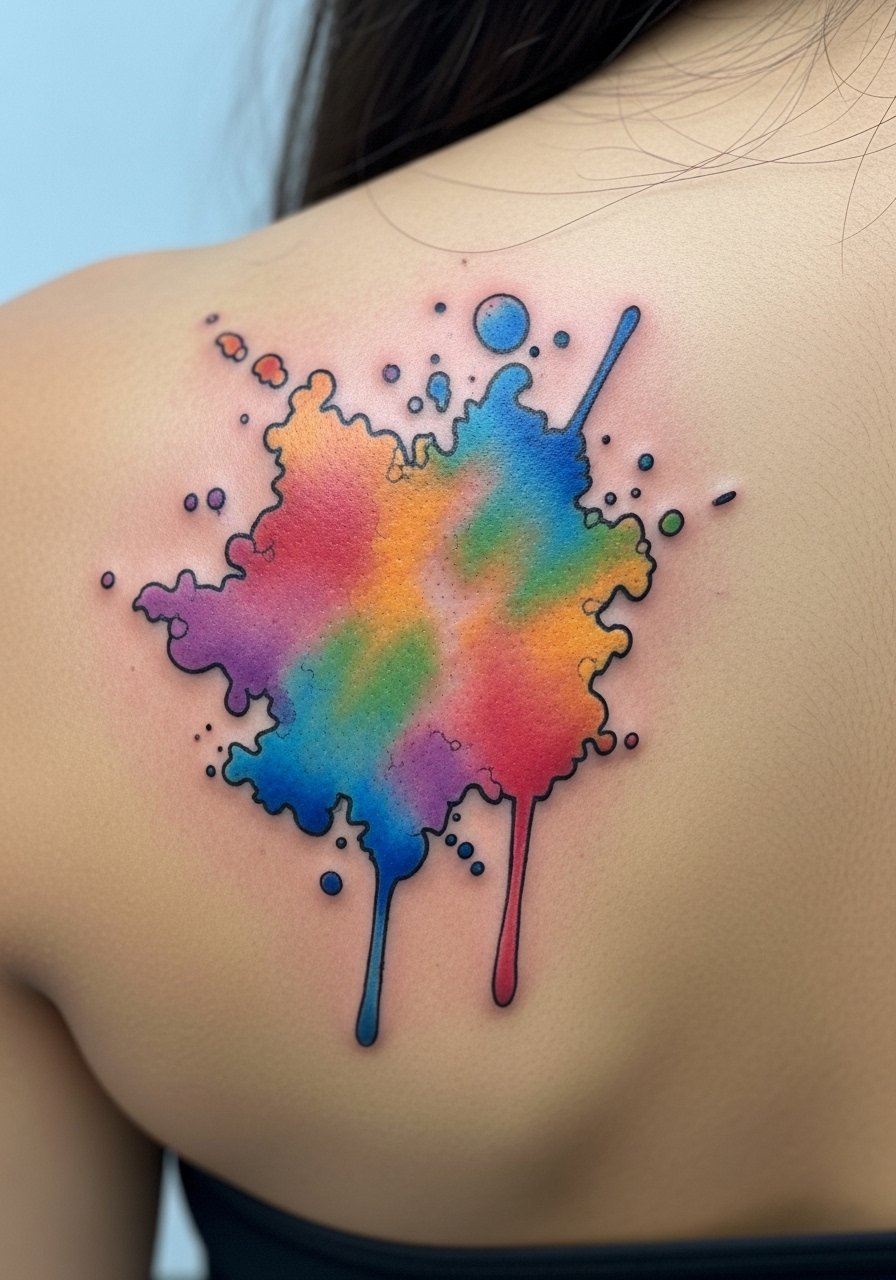
I prefer watercolor memorials with an anchor line. Pure watercolor can look like a bruise as it ages. Shoulder blades protect color well from sun. Pain is low to moderate. Ask your artist for a crisp black frame around the splash so the shape remains readable. A mistake is expecting fresh watercolor intensity to stay the same. At six months the colors will have softened and blended. At three years the outline will make the composition still work. If you sleep on your back, place the tattoo slightly off center to avoid constant pressure while healing.
20. Blackwork Tree Silhouette On Rib Side
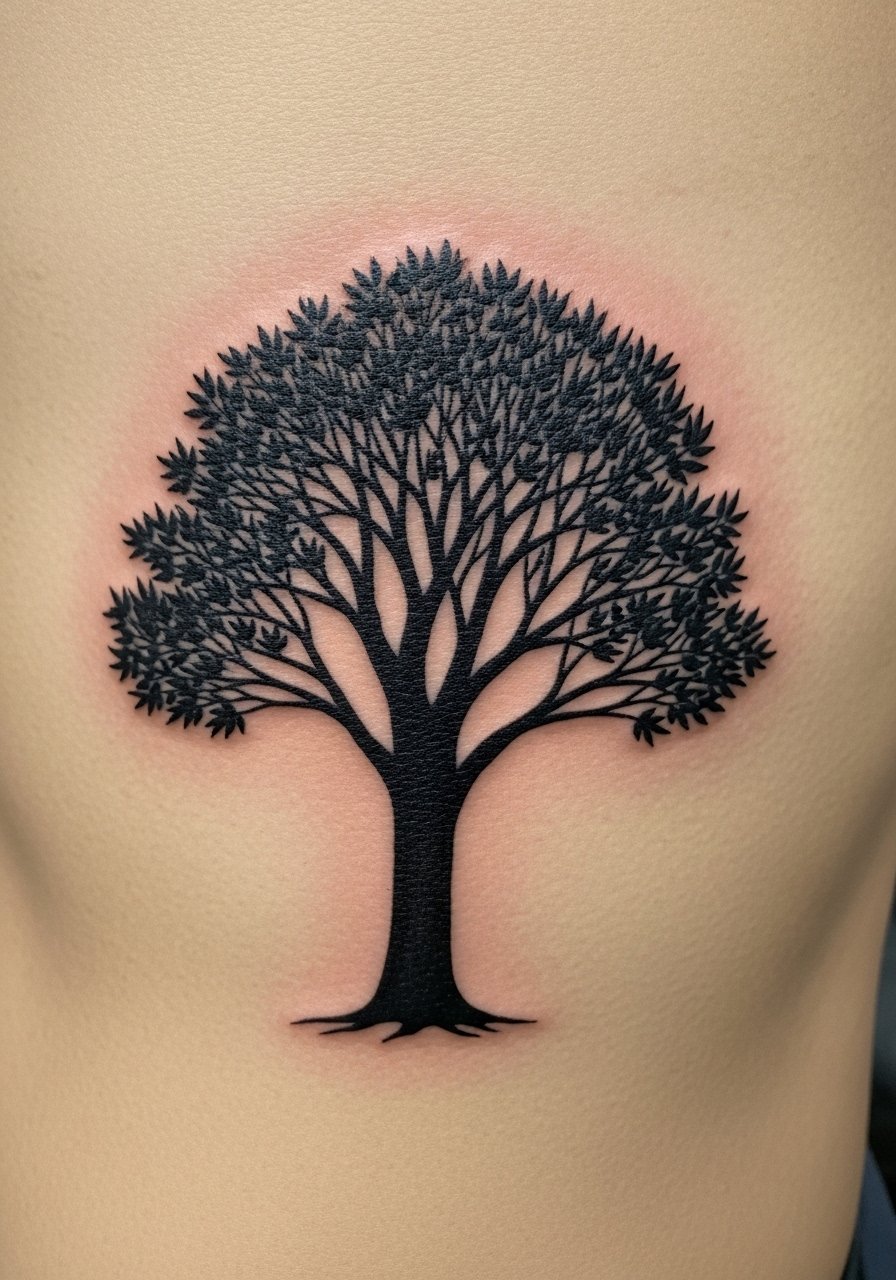
Trees are classic memorial symbols. Side ribs are painful but dramatic. I advise clients to size the branches large enough to avoid line fusion over time. Sessions may be split. The mistake is ultra-fine branches. They blur into a block. At six months the silhouette is crisp. At five years the trunk still anchors the design. If you want to add names in the roots later, plan the spacing now with your artist so the composition remains balanced.
21. Fine Line Constellation On Upper Back Shoulder
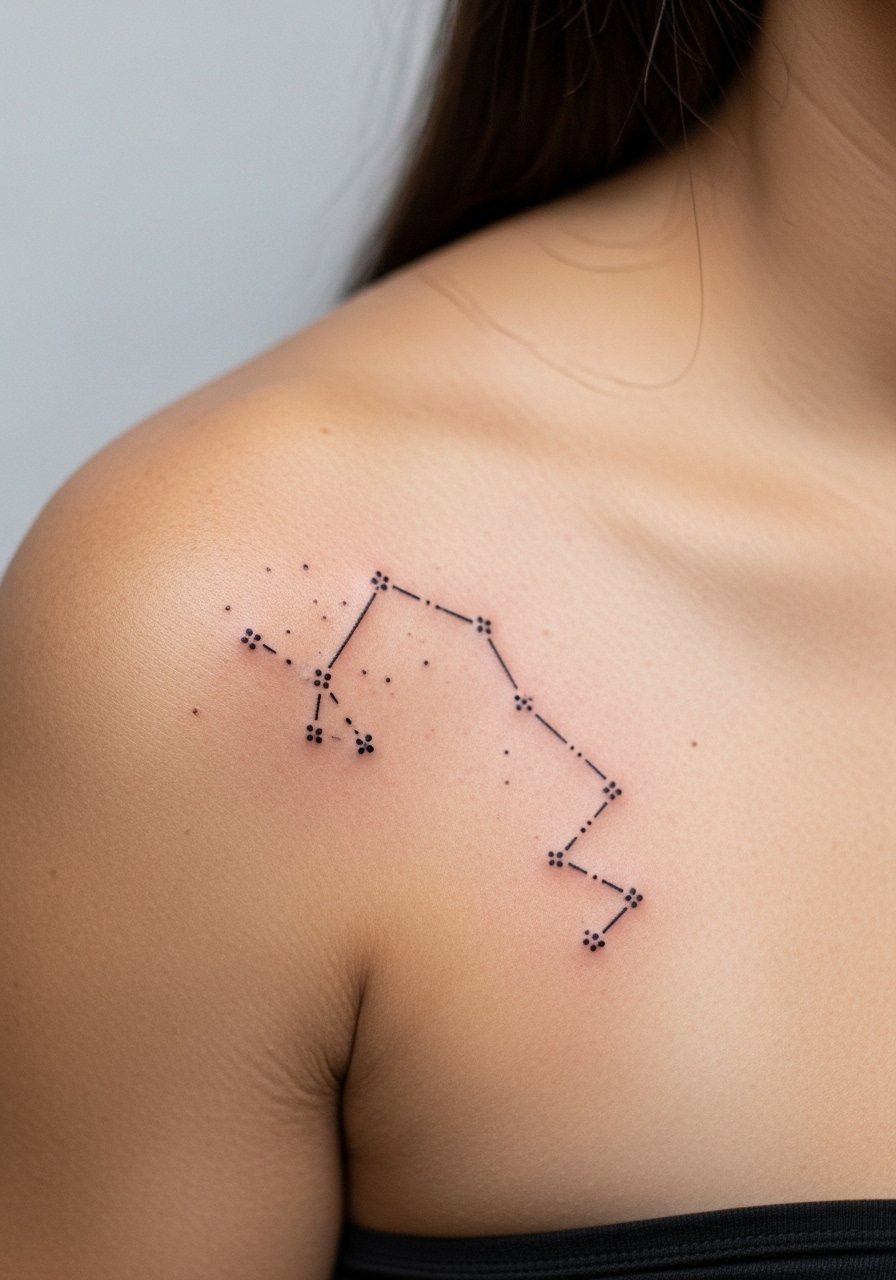
I had a constellation memorial to mark important dates and it felt subtle. Upper shoulder pain is low. Fine lines and dots work if the star points are spaced. Tell your artist exactly which stars matter and which constellation pattern to follow. A common mistake is making the lines too thin when stars are close. At six months dots settle but the pattern remains. At two years you may want small touch-ups on the dots. If you plan to add a faint glow color, keep it muted so the stars remain readable.
22. Micro-Realism Object On Inner Wrist
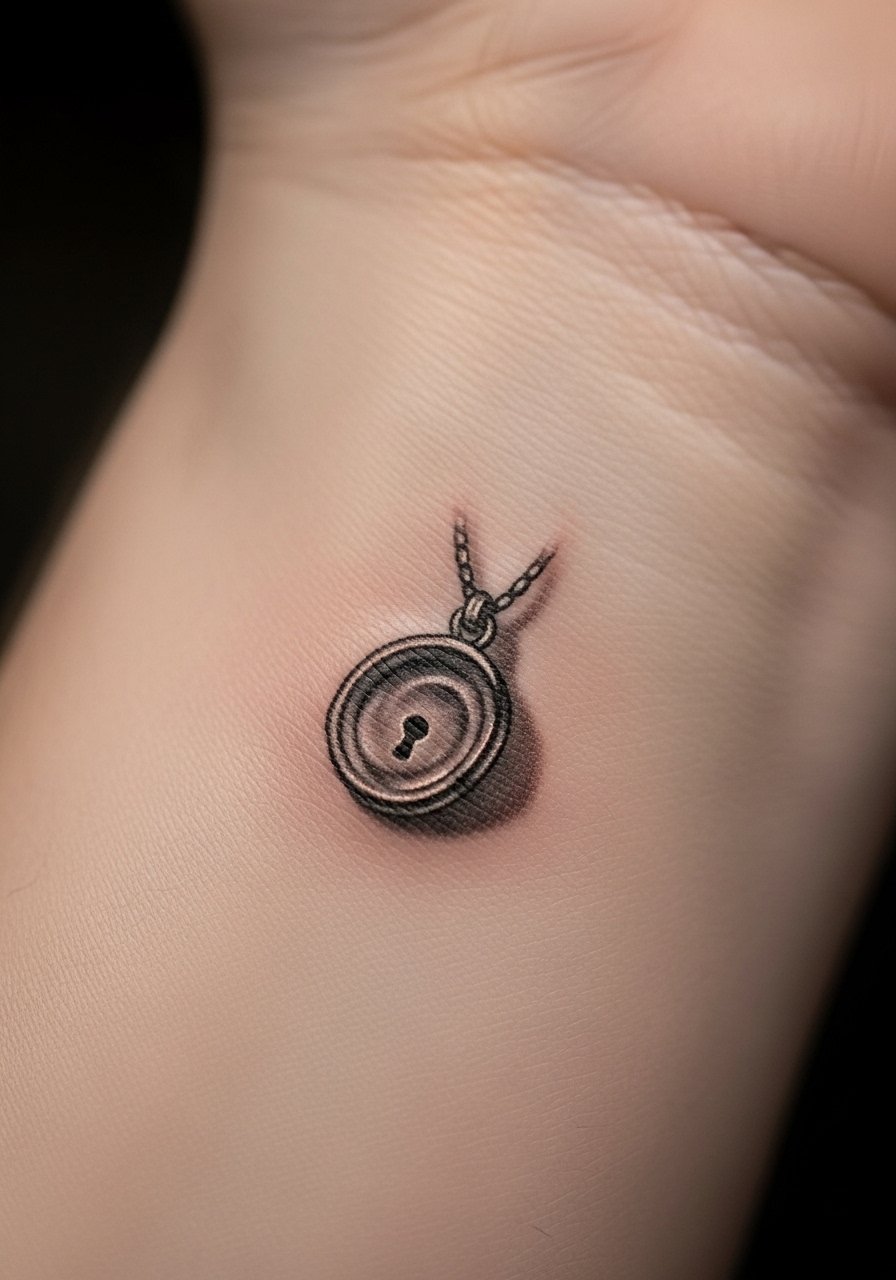
I recommend inner wrist micro-objects when you want a daily touchpoint. Pain is mild to moderate. Sessions are short but require an artist experienced in micro-realism. Bring a close-up photo of the object. The biggest mistake is scaling too small. At six months micro details will soften. At three years small shadows may merge. If the object is sentimental, consider a slightly larger size so engraved markings remain legible. Ask your artist about tonal simplicity to maintain clarity.
23. Blackwork Name Band Around Finger
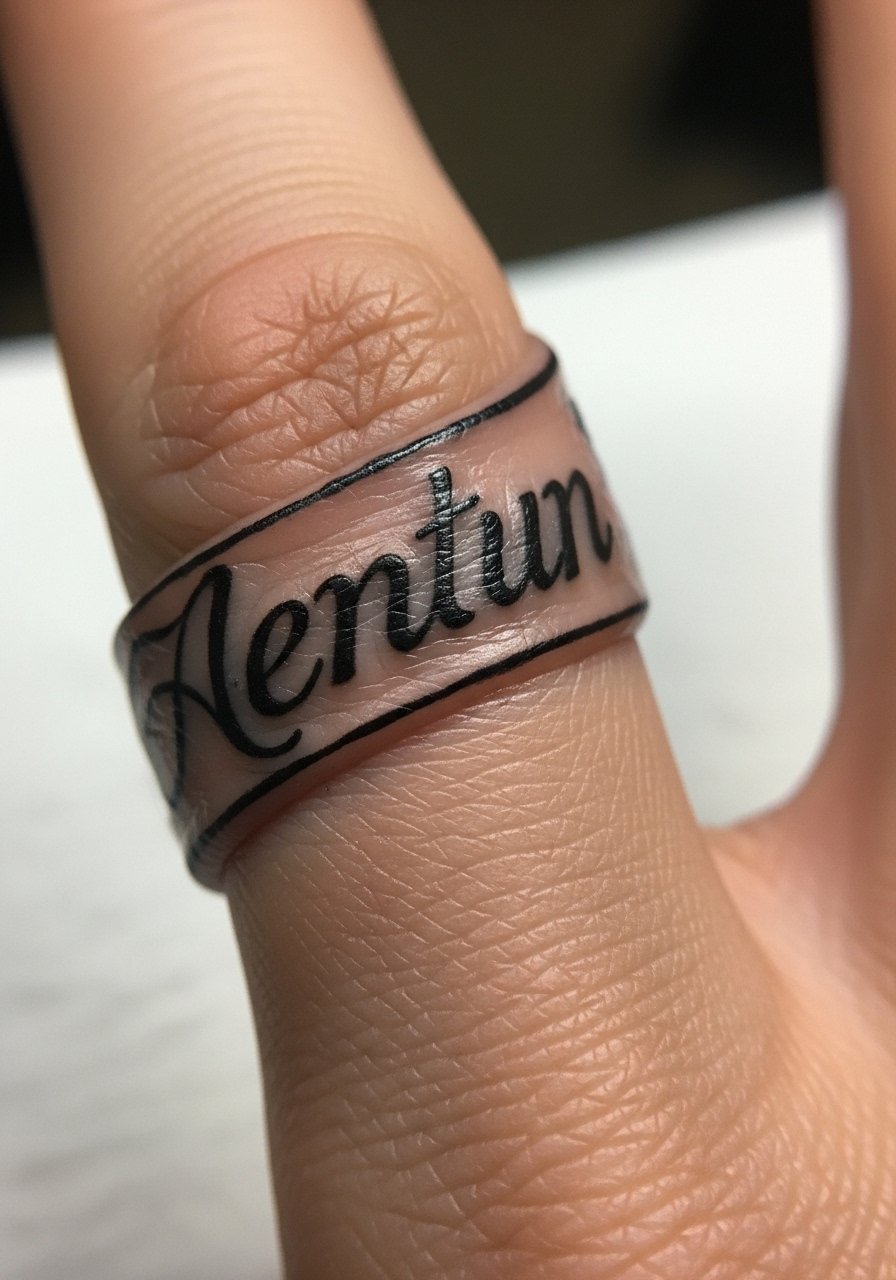
I learned that finger bands need special planning. Fingers move and tattoo friction is high. Pain is moderate and healing is finicky. Tell your artist you understand touch-ups are likely. A common mistake is expecting a single-pass permanent result. At six months letters may look faded. At one year many people need a refresh. If you want longevity, choose bold lettering and allow for occasional maintenance. Also consider wrapping the band slightly wider than you think so the name stays readable with daily wear.
Tattoo Prep and Aftercare Essentials
- Aquaphor Healing Ointment, 14oz tube — Industry standard for the first 3-5 days after getting a tattoo
- Saniderm Transparent Adhesive Bandage, 6-inch roll — Use for second skin healing on larger areas
- CeraVe Fragrance-Free Moisturizing Lotion, 12oz pump — For ongoing hydration days 4-14
- Dr. Bronner's Unscented Castile Soap, 32oz — Gentle daily cleanse during the first week
- Numbing Cream with 5% Lidocaine, 2oz tube — Use 30-45 minutes before your appointment, only if your artist agrees
- Tattoo Stencil Transfer Paper, pack of 10 — Helpful if you want to test placement at home
- SPF 50 Sunscreen Stick For Tattoos, 0.5oz — Apply daily to healed tattoos to prevent fading
- Mad Rabbit Tattoo Balm, 2oz jar — For keeping healed tattoos vibrant
- Hustle Butter Deluxe, 8oz jar — Vegan aftercare alternative, use after initial scabbing phase
- Tattoo Numbing Spray, travel size — For touch-ups or very sensitive spots
- Hydrocolloid Bandages Large Pack — Useful for small healed spots that reopen or for preventing scab picking
From what I've seen, most artists recommend Aquaphor or a dedicated tattoo balm for the first nights, then a fragrance-free lotion. Saniderm works great for busy people who want a low-maintenance barrier. Ask your artist which of these they actually use in-studio. Some prefer Hustle Butter despite marketing pushing many other options.
Frequently Asked Questions
Q: Will a fine line memorial on my wrist blur into a smudge after a year?
A: In my experience fine line tattoos on the wrist can blur if the lines are ultra-thin. Ask your artist for slightly heavier single-needle work and regular moisturization with CeraVe Fragrance-Free Moisturizing Lotion, 12oz pump. Also expect a touch-up at one to two years for high-contact spots.
Q: Do watercolor-style memorials need different aftercare than traditional ones?
A: From what I've seen, watercolor pieces benefit from being treated like any fresh tattoo at first. Use a thin layer of Aquaphor Healing Ointment, 14oz tube for the initial days. Because pigments are often lighter, avoid over-exfoliation and protect the healed piece with an SPF 50 Sunscreen Stick For Tattoos, 0.5oz to slow fading.
Q: How often will I need touch-ups for a finger name band?
A: Finger bands tend to need touch-ups more than other areas because of constant movement and washing. In my experience most clients plan for a refresh within 12 to 24 months. Using a thicker font and keeping the band slightly wider helps. Consider keeping Hydrocolloid Bandages Large Pack on hand during healing to protect the area.
Q: Can a micro-realism portrait be too small to keep likeness over time?
A: Yes. I have seen tiny portraits lose identity. Ask your artist to recommend a minimum size based on the reference photo. Bring a high-resolution image and ask them to show a mock-up at actual size on your skin. If in doubt, increase size rather than cram details into a tiny footprint.
Q: Is Saniderm safe for all placements, like ribs and neck?
A: Saniderm works well on many placements but adhesion can be tricky on curved or highly mobile areas. I use it on forearms and chests more than on necks. Talk to your artist before using it on ribs. If you do try it, check edges daily for leakage and follow the artist's guidance.
Q: What's the best way to preserve blackwork silhouettes over years?
A: From what I've gathered, bold outlines and solid fills age best. Maintain sun protection with SPF 50 Sunscreen Stick For Tattoos, 0.5oz and a regular moisturization routine using Mad Rabbit Tattoo Balm, 2oz jar. Expect periodic touch-ups around edges if you have high-friction clothing choices.
Q: Are there memorial designs that avoid touch-ups entirely?
A: In my experience no tattoo is truly maintenance-free. However, designs with bold outlines and clear negative space, like traditional roses or black crosses on protected areas, will need fewer refreshes. If you want minimal maintenance, pick protected placements, thicker line weight, and keep up sun protection.