
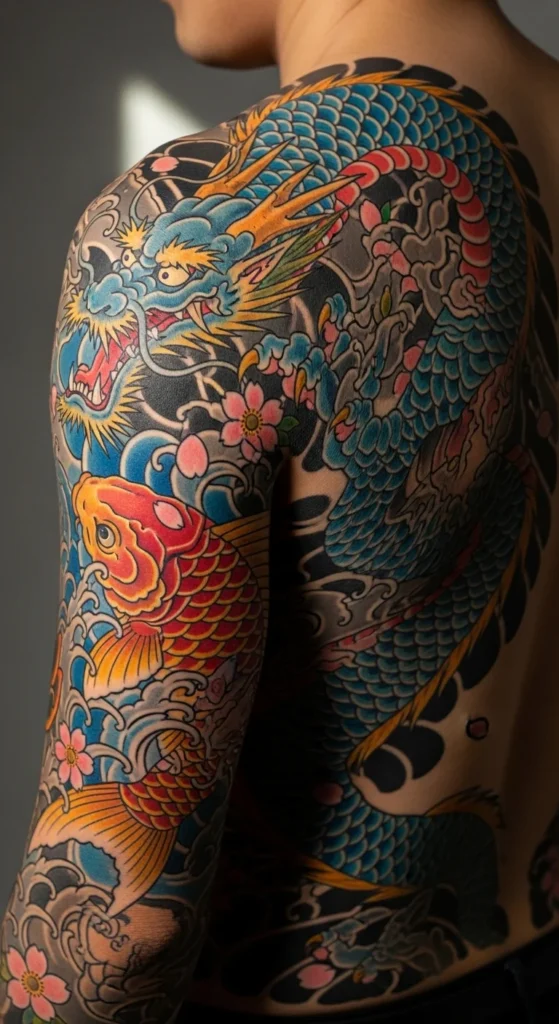
Japanese tattoos, often called Irezumi, carry stories about courage, loyalty, transformation, and personal growth. Many people explore them not just for visual impact but also for the meaning behind each motif. This list gathers classic symbols, modern twists, and culturally rooted ideas that remain popular across Japan and beyond. Each item includes simple ways to test concepts at home, budget-friendly planning tips, and realistic starting points—helping you shape a tattoo idea without pressure.
1. Ryu Dragon Power Flow
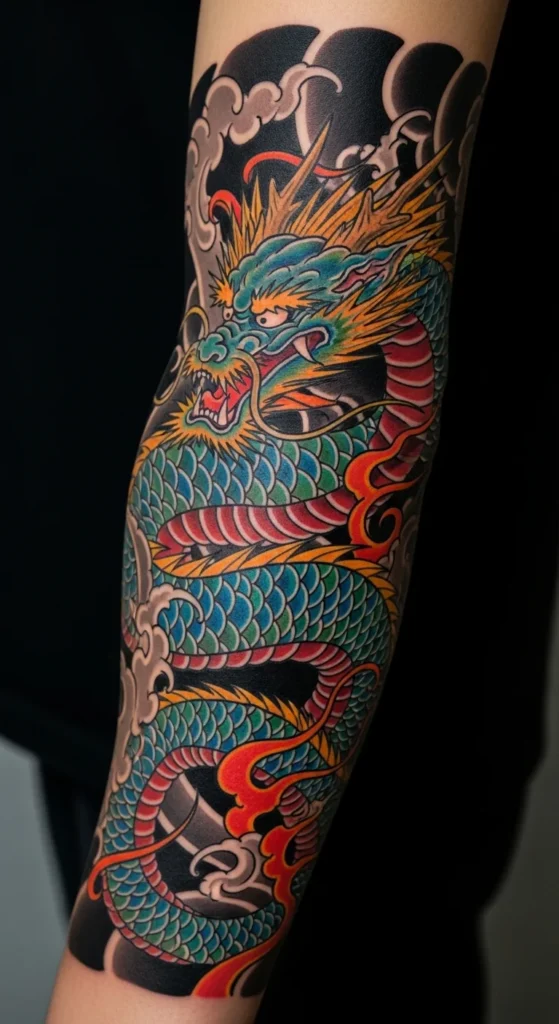
Dragons in Japanese art stand for wisdom, protection, and natural strength. The flowing body creates movement that fits arms, ribs, or chest. If you want to explore placement, sketch a long S-curve on paper and test how it wraps on your arm by taping it on. Use cheap colored pencils to try different scales. Keep the head slightly tilted upward for a strong look. Many people pair dragons with clouds for a softer background. You can also try simple wind-bar patterns using dark markers to see how flow works with your body shape. If you’re on a budget, start with a small dragon head sticker and place it on different areas to see what feels right. It helps you figure out comfort before planning a larger tattoo.
2. Koi Swimming Upstream
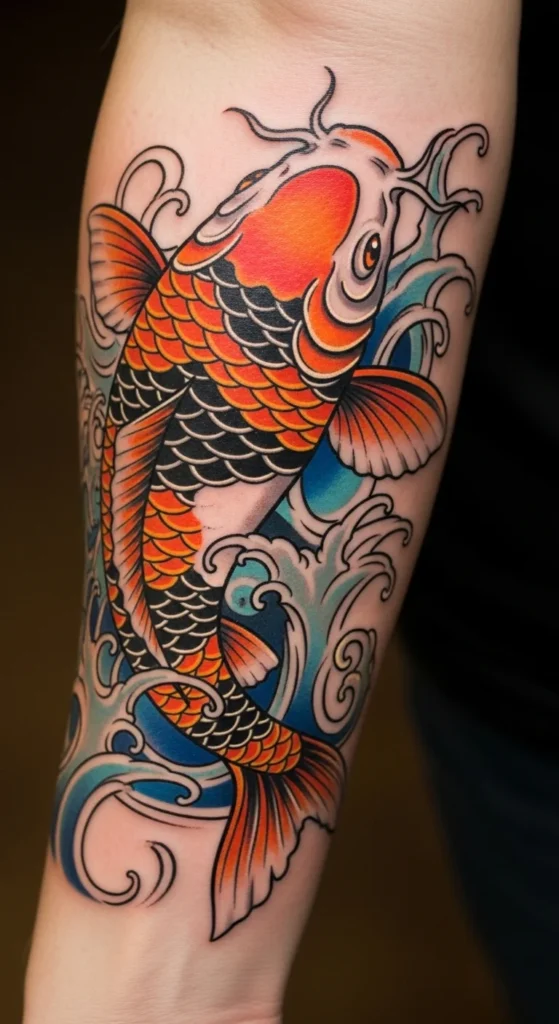
Koi represent steady effort and perseverance. The shape works well on arms and legs because the curve matches natural lines. To test a concept, draw a simple fish shape with a curved spine and cut it out. Tape it along your arm to see how it bends. This helps you adjust the angle. Keep the fins pointed backward to show motion. Pairing koi with water waves creates a smoother look. If you want to try colors cheaply, pick up basic watercolor markers and test orange, gold, or black tones. You can also print a koi outline and shade it lightly with pencil to explore a black-and-grey version. Koi also work nicely in pairs—one swimming up, one swimming down—if you prefer balance.
3. Hannya Mask Emotion Story

The Hannya mask symbolizes jealousy, heartbreak, and transformation. Many people choose it when they want something expressive with strong lines. Try sketching a simple mask outline with exaggerated horns and eye shapes. Even if you’re not great at drawing, the mask’s symmetry makes it easier to practice. Add soft petals around the mask using light pink markers to see how contrast works. If you’re unsure about placement, create a small sticker version and test it on your shoulder or upper arm. This helps you visualize how the mask faces—forward or angled. Try filling the horns with gradient shading using a two-tone pencil technique. It costs almost nothing and gives a feel for how the tattoo might look.
4. Phoenix Rising From Ash
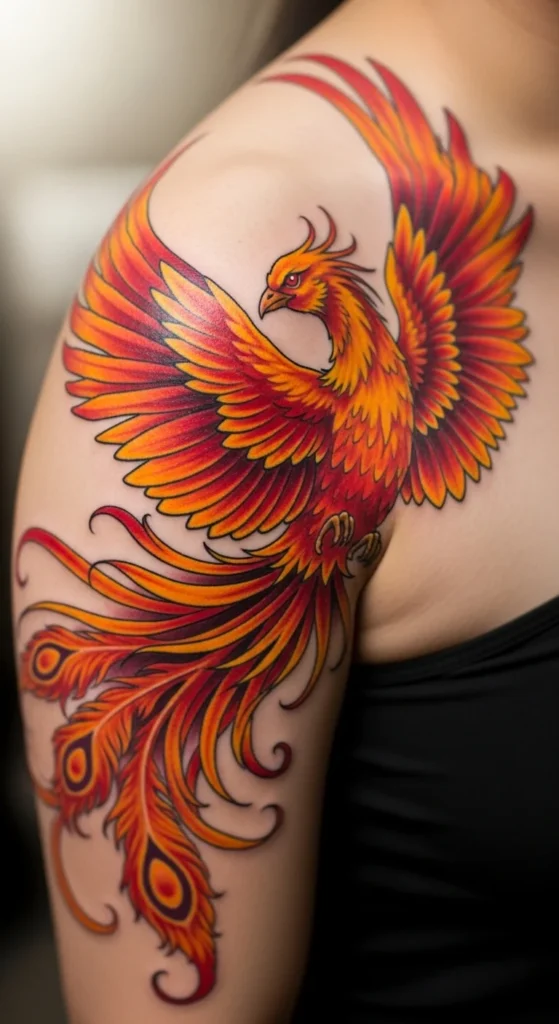
The phoenix stands for renewal and personal rebirth. Its long feathers work beautifully on ribs, shoulders, or backs. If you want to experiment, cut long strips of colored paper and place them on your shoulder to see how the feathers might extend. This helps you shape flow. Try simple red and orange gel pens to test color combinations. You can also print a bird outline and draw your own feather details on top. This small exercise helps you explore how dramatic or soft you prefer the wings. Consider adding a small rising-sun circle behind the bird to test balance.
5. Tiger Courage Guard
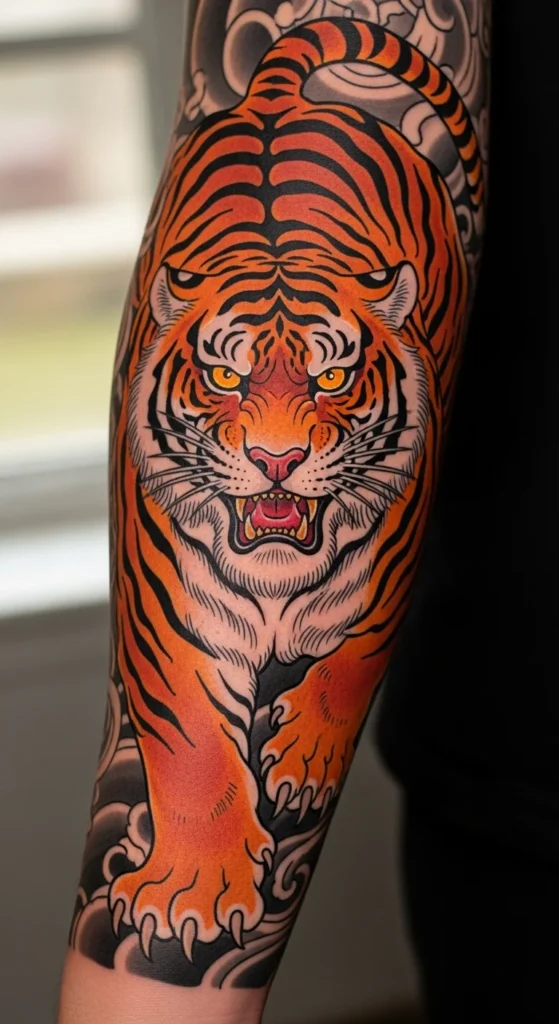
Tigers symbolize courage and protection. They usually look best on thighs, shoulders, or ribs. Start by sketching a crouched tiger pose with simple lines. The face is the main focus, so practice just the eyes and mouth on scrap paper. Add stripes with a dark marker to test intensity. If you want to test placement, print or draw a small tiger sticker and move it around your body. Many people pair tigers with bamboo for added meaning, so try drawing straight lines behind your sketch to see if you like the contrast.
6. Cherry Blossom Life Moments
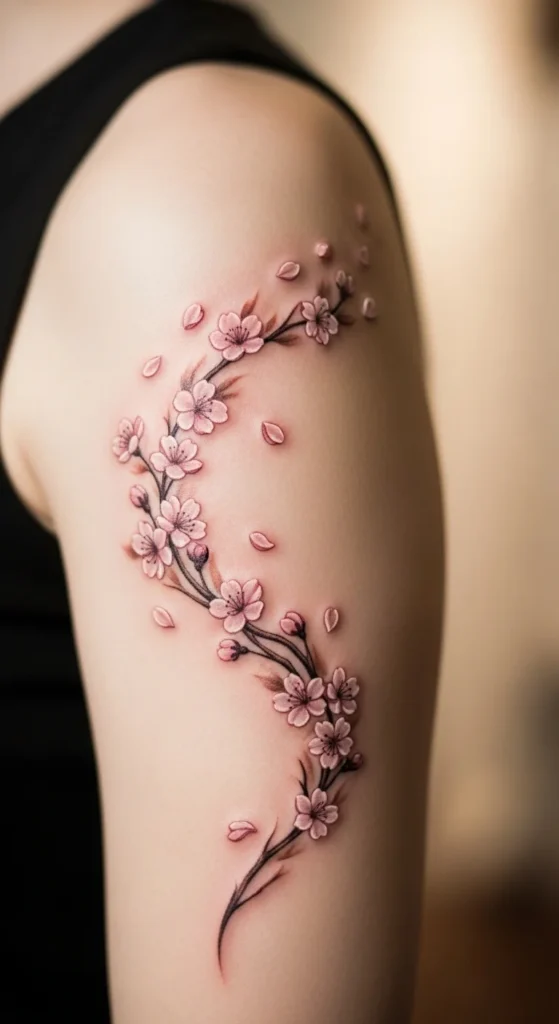
Cherry blossoms represent the brief, beautiful nature of life. These tattoos look clean on arms and collarbones. To experiment, draw tiny petals on transparent tape and place them where you’d want the flow. This helps you plan direction. Use pink and white colored pencils to try gradients. You can also gather real flower petals and place them on your arm to test spacing. Cherry blossoms pair well with masks, dragons, or waves, so mix them in small sketches to see what works.
7. Oni Guardian Strength
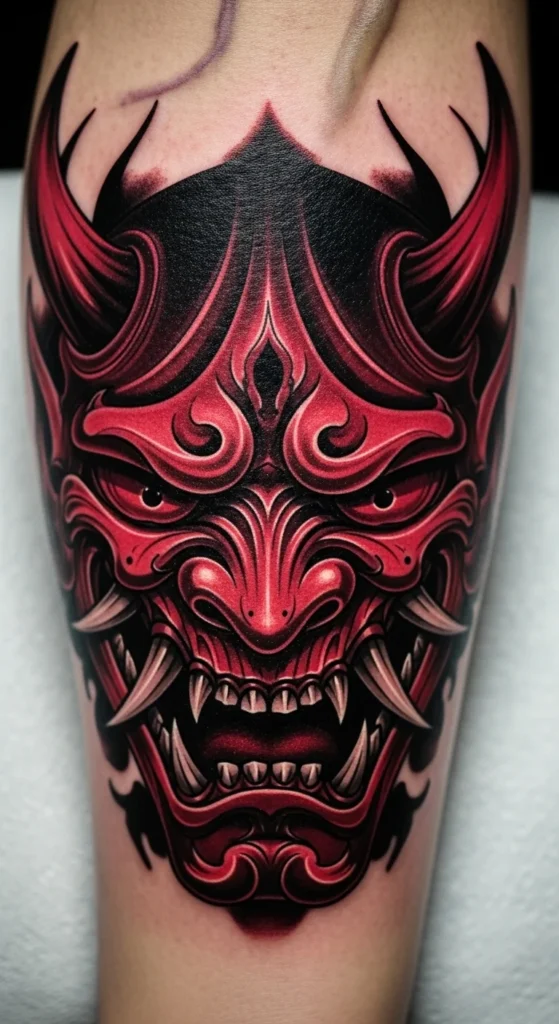
Oni represent protection against harm. Many people use them as forearm or calf tattoos. Start with a simple demon-face outline—eyes, teeth, and horns. Even rough sketches help you decide how fierce you want it. Add smoke patterns with a pencil to see how they wrap around the mask. Try using red marker accents to understand how color shifts the mood. If you’re unsure about placement, test with a printout on your forearm to see how the face sits upright.
8. Lotus Rising Through Mud
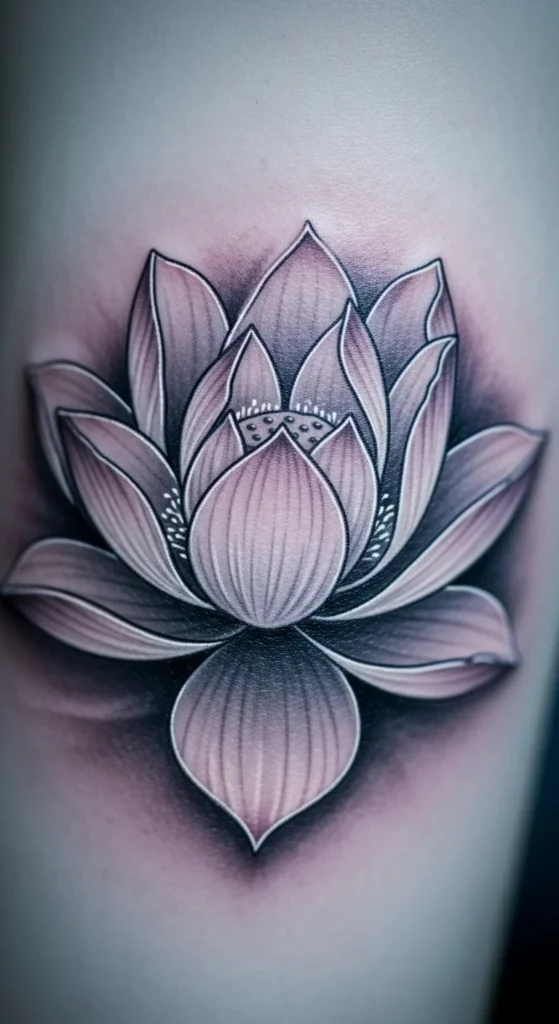
Lotus flowers symbolize rising through difficulty. They look clean on wrists, backs, and arms. Print a basic lotus outline and shade it using only one pencil to test light and shadow. You can also use pink, purple, or blue markers to try subtle color blends. Add small water ripples using curved lines to see if you like the extra detail. If you want something simple, draw just the top petal layer—it gives a lighter look and costs nothing to test.
9. Samurai Bushido Honor
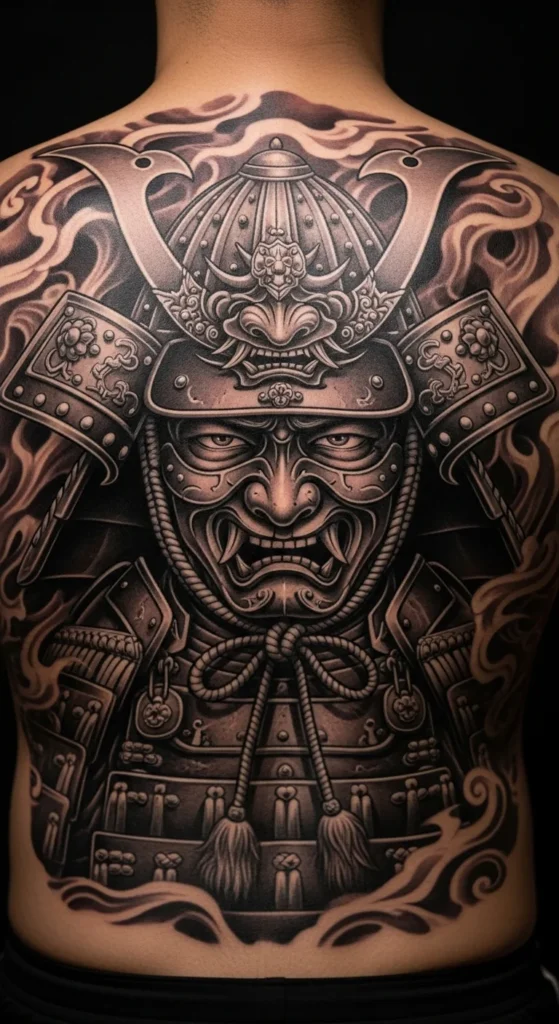
Samurai tattoos carry stories about discipline and loyalty. They’re often placed on backs or arms. To shape your own idea, print a warrior silhouette and draw armor segments on top. Try creating fog or smoke using a soft pencil smudge technique—use tissue paper to blend. This gives you a cheap way to explore mood. Add a rising-sun circle if you want a stronger symbol. Test the layout on your upper arm to see how the figure curves around muscle.
10. Wind Bars for Body Flow
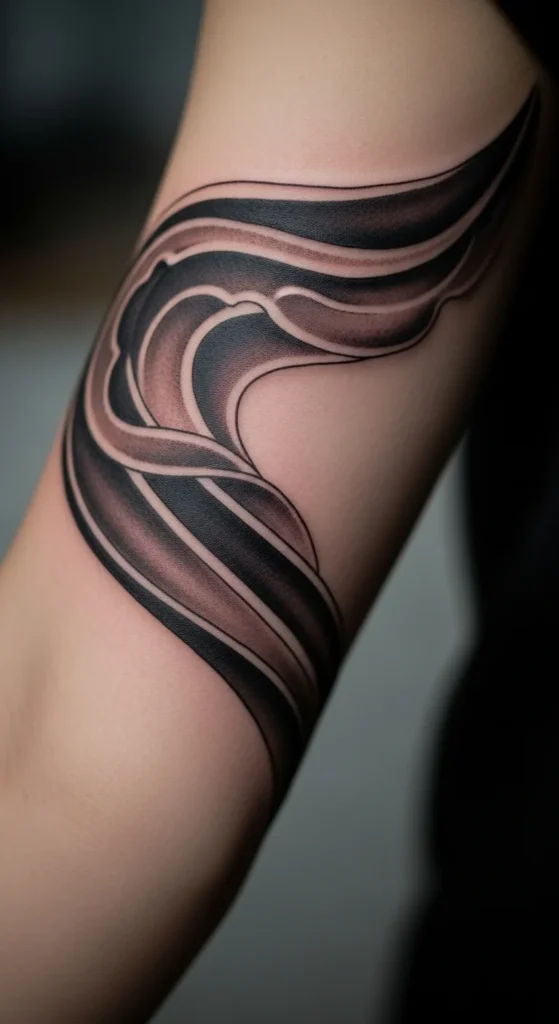
Wind bars are simple patterns that create movement behind any motif. They help fill space without clutter. Draw a few curved bars with a marker on paper and move them around your body to test flow. You can also overlay the bars on printouts of dragons, koi, or tigers to see how they match. Try using grey markers for softer looks. The technique is easy to test at home and gives you a sense of how big or small your tattoo might feel.
11. Peony Prosperity
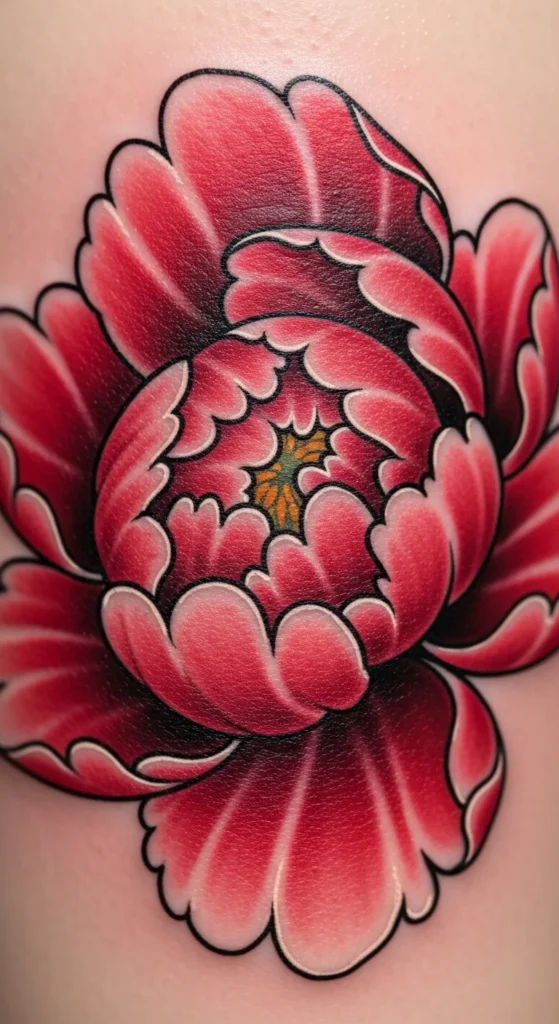
Peonies stand for bravery and prosperity. They look beautiful as fillers or stand-alone pieces. Draw a simple circle and add overlapping petal shapes. Use a single red marker for color tests. You can also shade from center to edge using a pencil. If you want a fuller look, add small leaves around your sketch. Test the flow on your shoulder or thigh using a quick cutout.
12. Geisha Grace Portrait
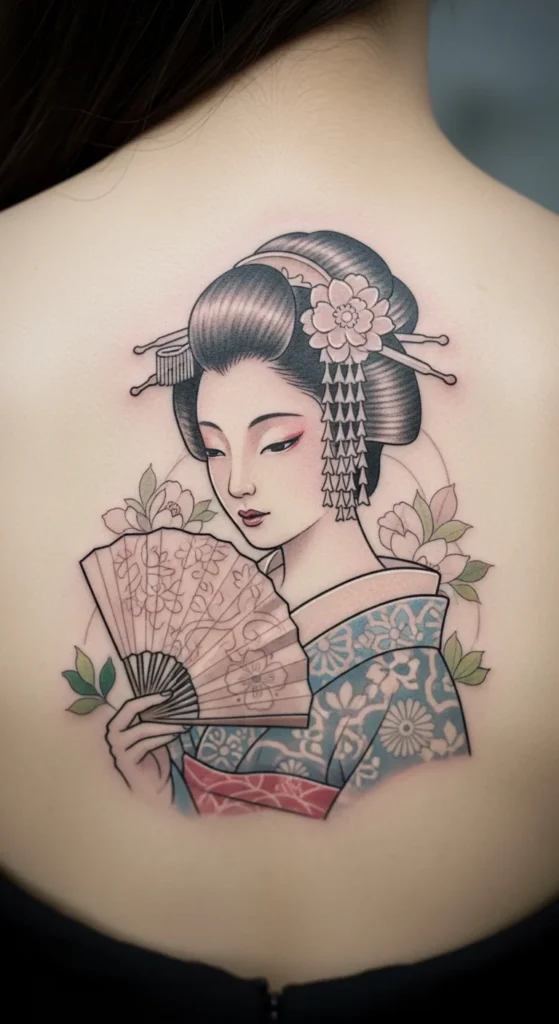
Geisha designs focus on calm beauty and expression. Start by tracing a basic face shape from a photo and adding hair in a high bun. Use fine-tipped pens to draw small kimono patterns. If you prefer a lighter look, try pencil-only shading. To test placement, tape your sketch to your forearm or upper arm. You can also add cherry blossoms or fans to see if you like extra details.
13. Phoenix Tail Rib Sweep
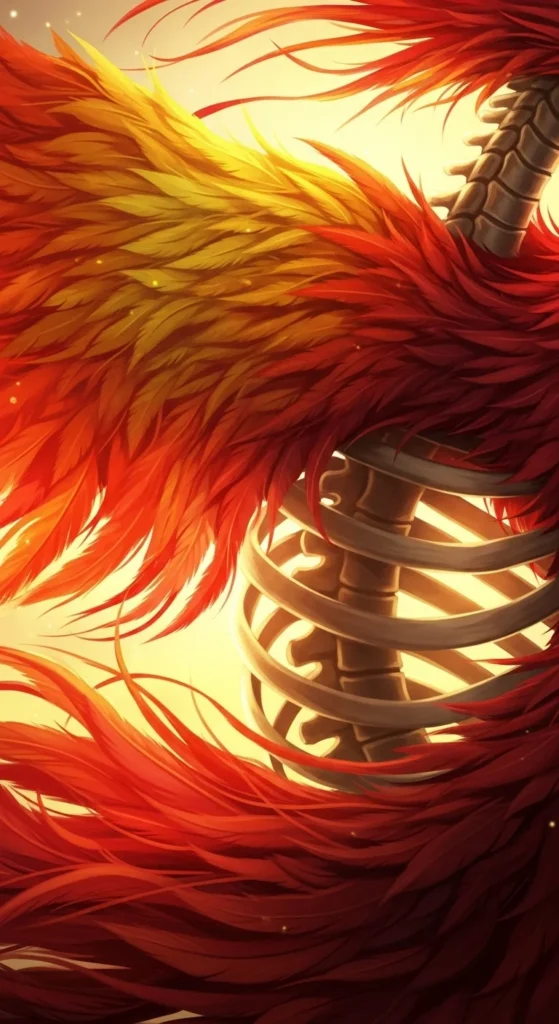
This version focuses on the long tail sweeping across the side body. Cut strips of colored paper and place them along your ribs to see how the feathers might fall. Then sketch feather shapes on small sheets to test patterns. Use warm-tone markers like orange and gold to see what you prefer. If ribs feel too large for your style, try placing the tail along your back instead.
14. Kintaro Wrestling the Carp
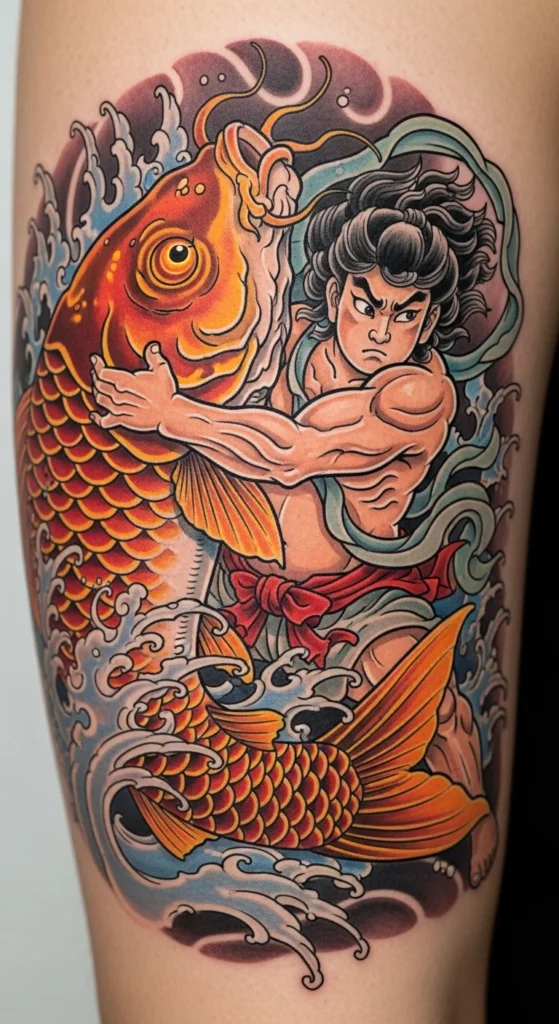
Kintaro symbolizes raw power and childhood courage. The carp helps express movement. Sketch two simple shapes—one human, one fish—and connect them with curved lines to test the motion. You can try water splashes around the scene using blue markers. If you want to keep it small, draw just the carp tail and a hand gripping it. Test placement on your upper arm for a strong look.
15. Namakubi Acceptance Symbol

Namakubi designs reflect fate acceptance. They often include dripping details, but you can simplify. Try drawing just the face with hair strands flowing around it. Use pencil shading for depth. If the motif feels intense, pair it with soft sakura petals to balance the look. Test placement by taping a small print to your outer arm or upper back.
16. Kitsune Fox Spirit
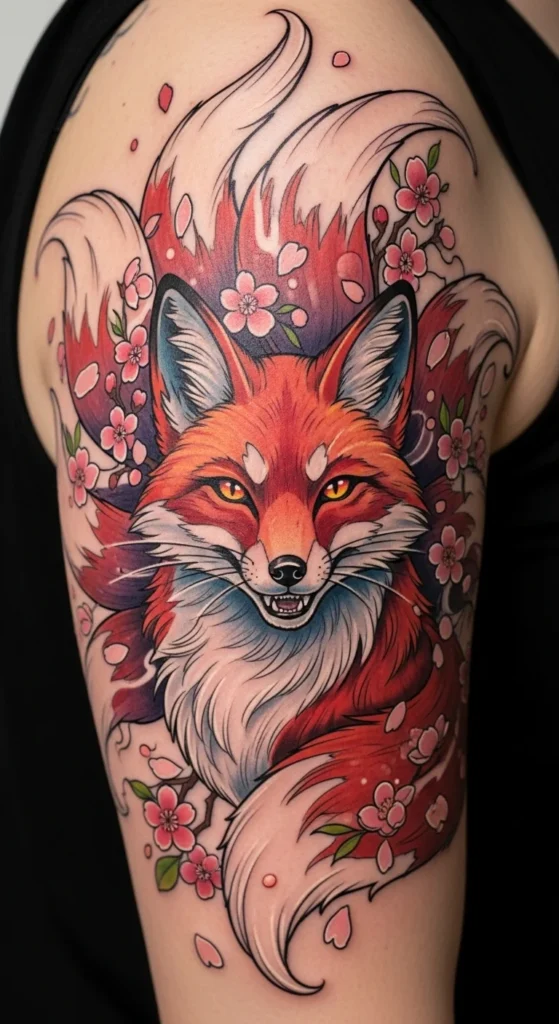
Kitsune represent intelligence, mystery, and charm. Draw a fox head with long whiskers and curved fur lines. Use warm markers to try red or orange tones. If you want a gentle style, test a thin-line version with just the outline. Try placing your sketch near your ankle or forearm for a subtle design. Kitsune also pair well with florals if you prefer something softer.
17. Hebi Snake Coil
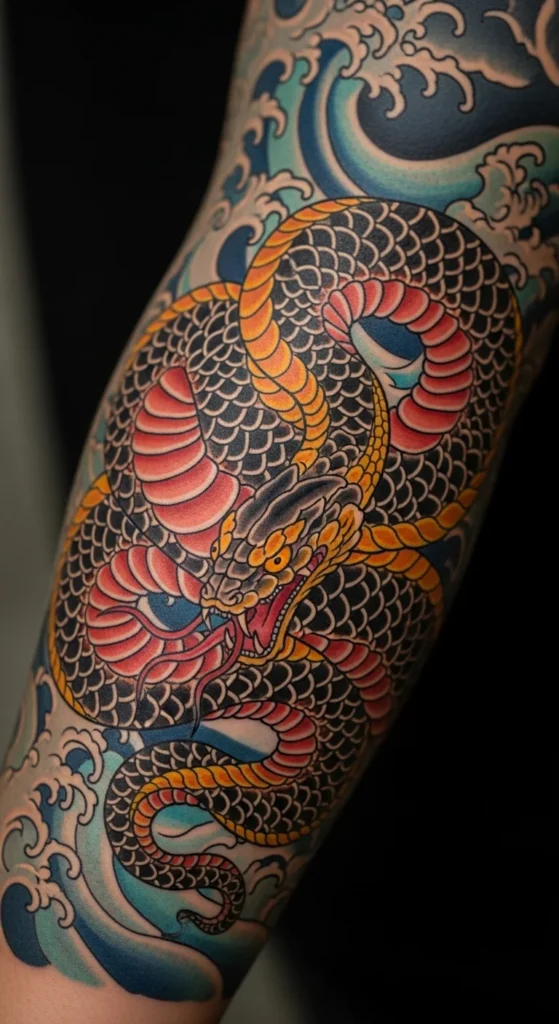
Snakes stand for renewal and medicine. Draw a long curved line and build scales around it. If you want to keep things simple, add only a few scale clusters instead of full coverage. Use a dark pencil for shading the belly area. Try wrapping a paper strip around your forearm to test the coil motion. Add small leaves or bamboo lines for contrast.
18. Bamboo Strength Lines
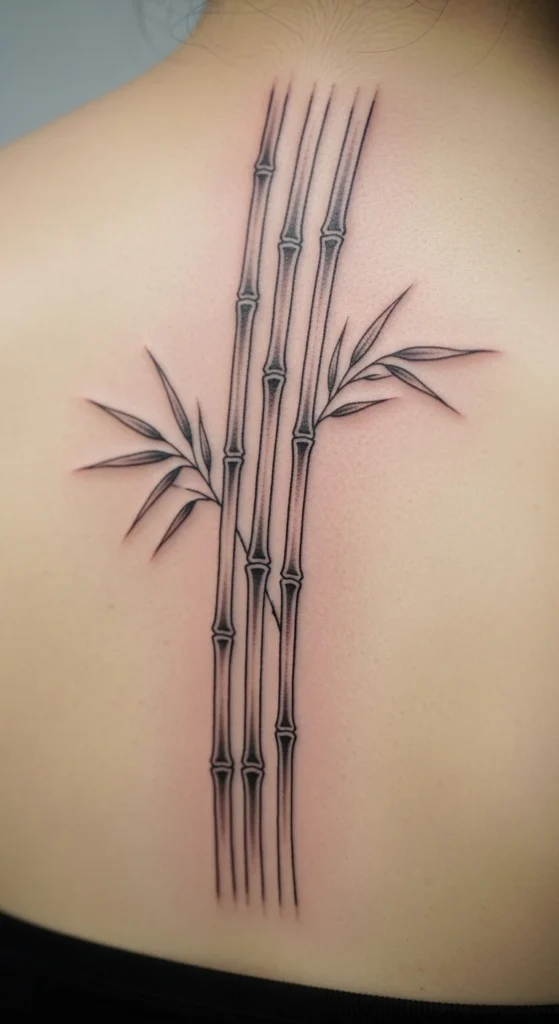
Bamboo stands for resilience and adaptability. Draw straight vertical lines with slight curve, then add small horizontal segments for joints. Experiment with green markers if you prefer color. This motif works well behind tigers or dragons, so try overlaying bamboo sketches with other drawings. Test placement on your calf or ribs for a tall look.
19. Shishi Temple Lion

Shishi lions protect temples and symbolize bravery. Draw a round head with swirling mane shapes—these curls are forgiving and easy to shape. Add teeth and nose details using a fine-tip pen. Try pairing the lion with grey clouds to soften the look. If you want to test color, try gold or red accents. Print a small version and place it on your chest to see how it sits.
20. Ryu-Koi Transformation
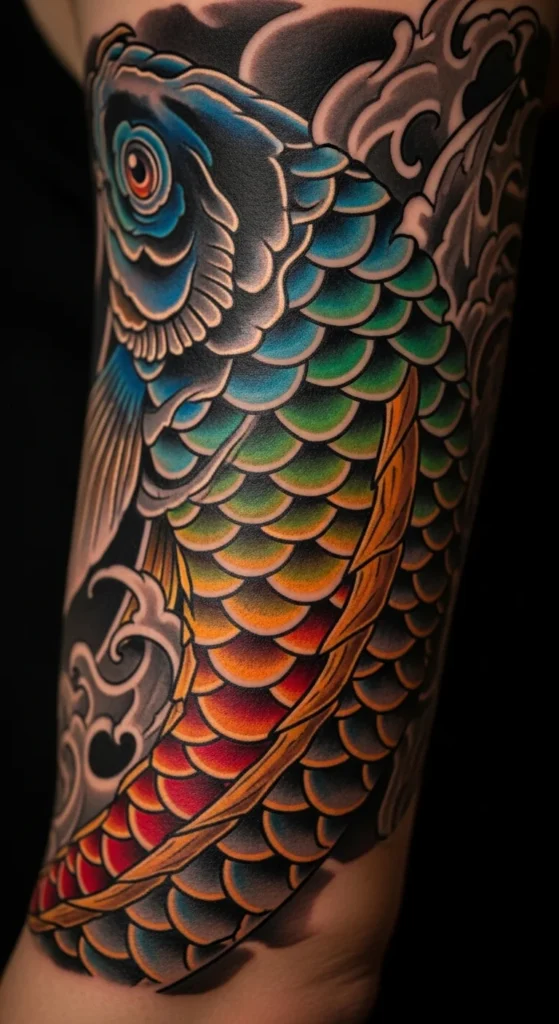
This story shows a koi turning into a dragon—symbolizing ambition. Draw half a koi and half a dragon, then connect them with overlapping scale patterns. Try orange on one side and dark blue or green on the other. If you’re unsure about placement, tape your sketch along your forearm to see how the flow works. This style looks great as a wrap-around concept.
21. Oni Forearm Defender
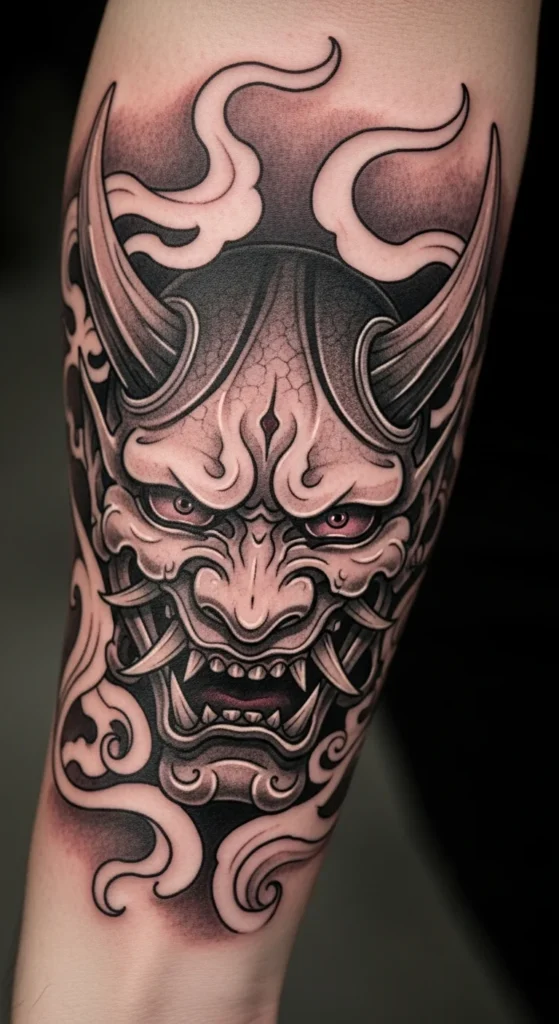
A forearm Oni feels bold but manageable. Start by drawing the mask centered within a rectangle the size of your forearm. Add smoke curls around the edges to soften the shape. Use a dark marker for shadows. You can test orientation—upright or slightly angled—by attaching your sketch to your arm and taking a photo. It helps you visualize how others might see it.
22. Sakura Flow Fillers
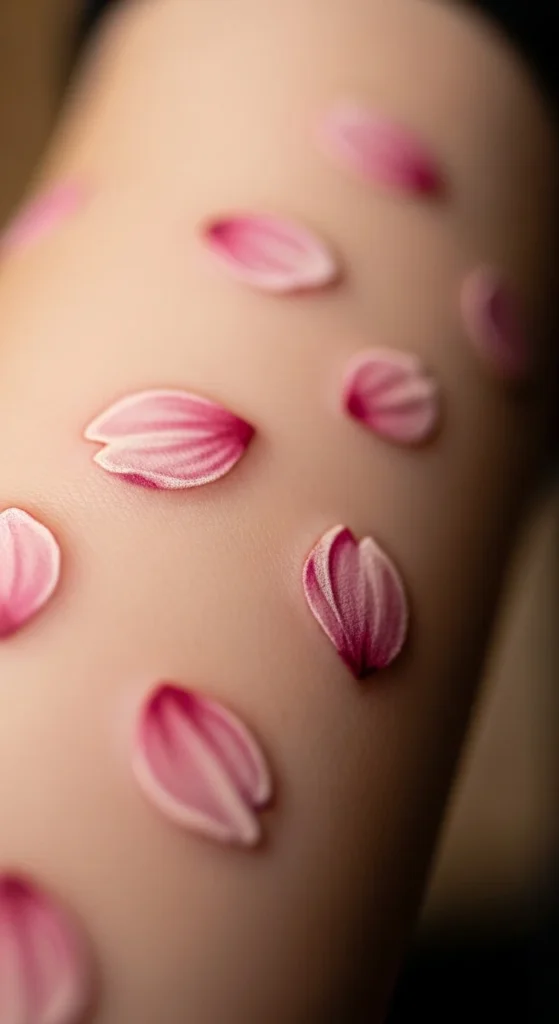
Sakura petals are perfect for filling empty space around larger tattoos. Draw small petal shapes on sticky notes and place them around your arm or leg to test flow. Use pink markers for a soft look. You can also layer petals behind masks or animals to create balance. This is one of the cheapest ways to experiment with Japanese-style layouts at home.
23. Wave Crest Motion
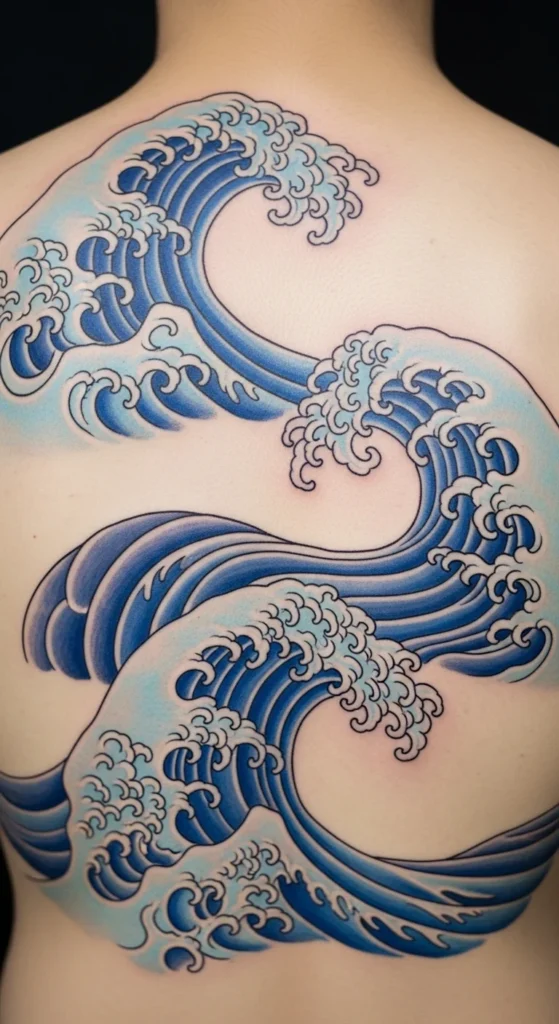
Waves symbolize strength, motion, and nature. They work well as fillers or main pieces. Draw simple wave curves with a thick marker, then add foam tips using small circles. Try using blue pencils to test different tones. If your design feels too busy, remove extra foam details. Test placement on your forearm or calf for flowing shapes.
24. Fog and Mist Backgrounds
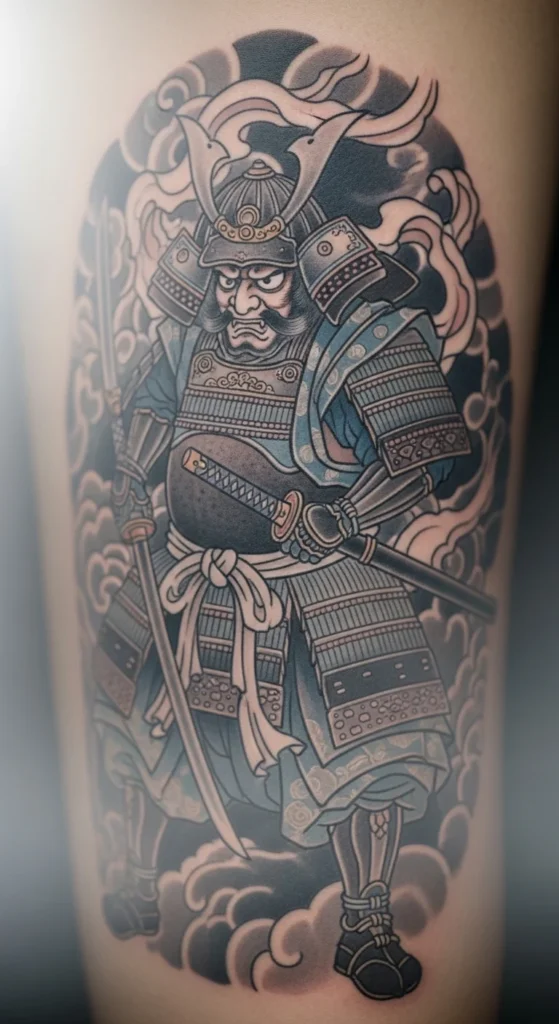
Fog adds mood without making things heavy. Try rubbing pencil on paper lightly and blending with tissue to create soft gradients. Cut the shape out and place it behind another sketch. This lets you test how mist affects the overall look. Many people add fog behind samurai, ghosts, or tigers. It’s simple, cheap, and gives designs more atmosphere.
25. Ghost Samurai Scene
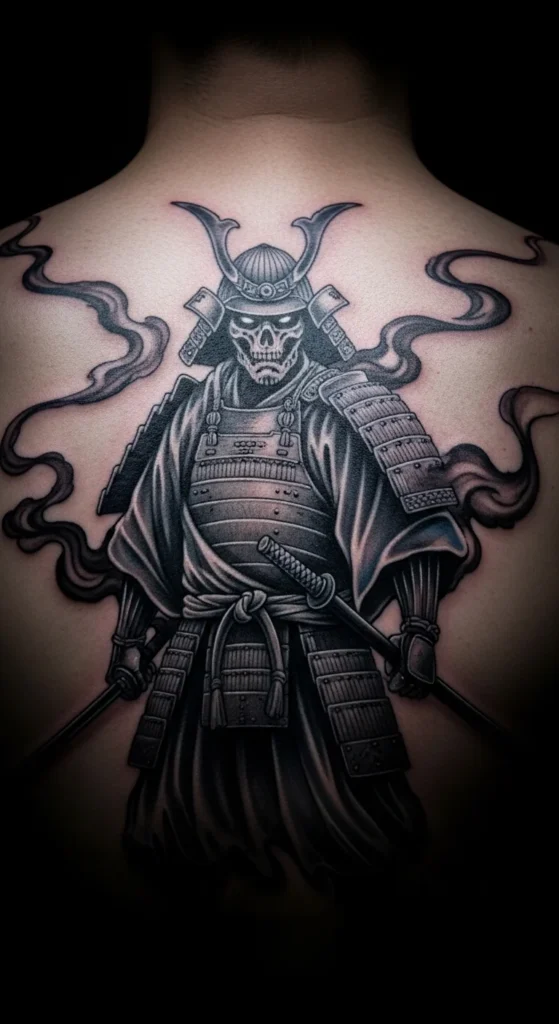
Ghost samurai scenes feel mysterious and calm. Sketch a warrior outline with lighter pencil pressure to create a faded effect. Add smoke curls around the figure to test softness. Try placing the sketch on your upper arm or shoulder. You can add small leaf or petal accents for contrast. This style works well if you want something expressive without too much color.
26. Neo-Japanese Bright Colors
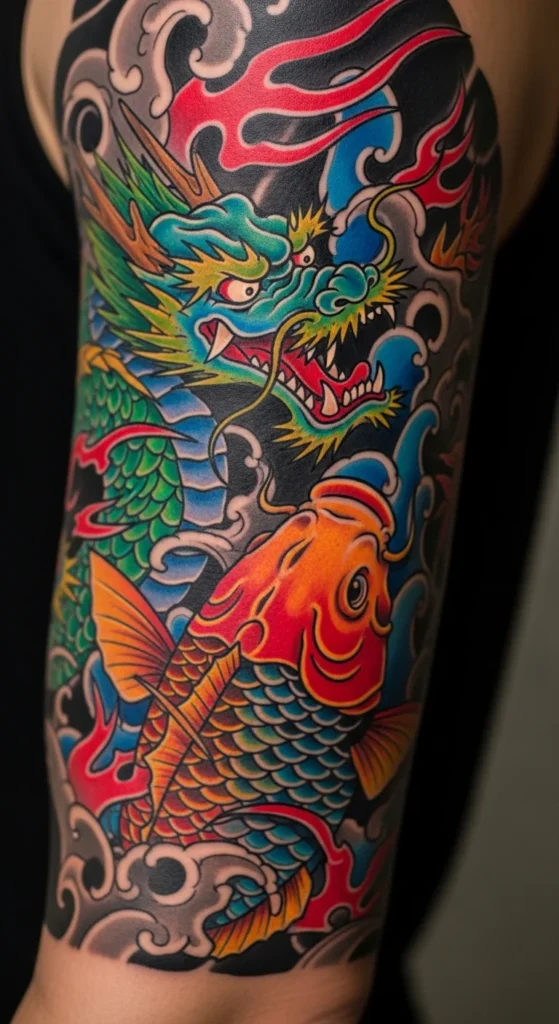
Neo-Japanese designs bring modern shading to classic motifs. If you want to explore this style, print a basic outline of anything—dragon, flower, mask—and color it using bright markers. Experiment with deeper shadows to see how bold you like things. Try testing combinations like teal and red or gold and blue. This helps you plan a tattoo that stands out while keeping classic structure.
27. Bodysuit Flow Planning
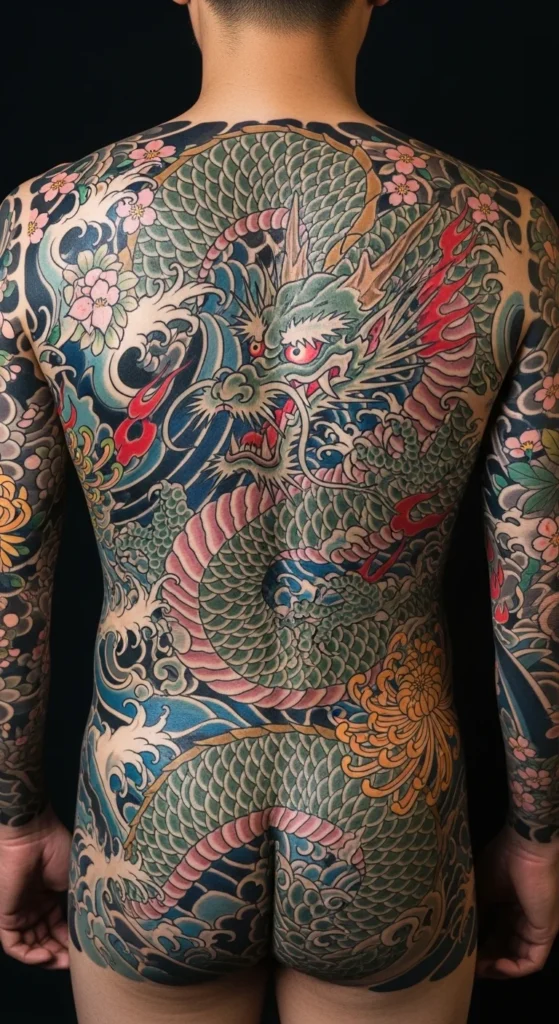
Large-scale Japanese tattoos take planning, but you can test ideas cheaply. Use a full-body outline printed from the internet. Then sketch dragons, flowers, waves, or masks in different areas. Try using colored pencils to map zones—blue for waves, red for flowers, grey for background lines. This helps you understand how elements blend without spending money. You can also take photos of your body and draw on top digitally using free apps.
28. Tebori-Inspired Dot Shading
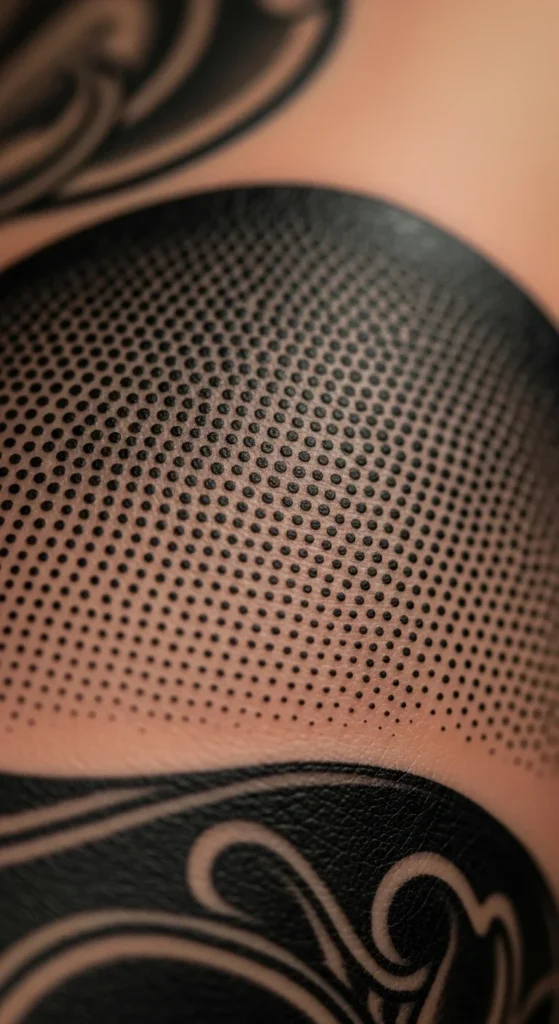
Tebori is the traditional hand-poke technique. You can mimic the look on paper by dotting with a fine-tip pen. Start with dense dots near the edge, then fade out. This style works well behind flowers, masks, and animals. It’s easy to try at home and helps you see if you like the dotted texture. You can also pair dot shading with soft wave shapes to test balance.
29. Oni and Sakura Shoulder Band
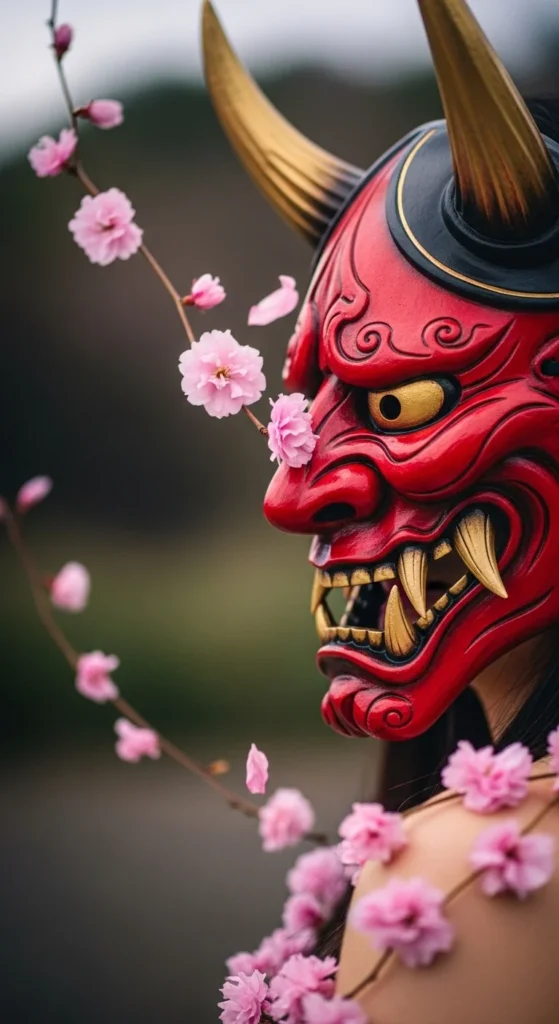
This combo mixes intensity and softness. Draw a simple Oni mask and place petals around it in an arc. Then tape the sketch to your shoulder to test the curve. Try pink marker accents on both sides. Add a few wave lines behind the mask to see if you enjoy extra motion. This design is easy to modify and works on upper arms, shoulders, or thighs.
Conclusion
Japanese tattoos tell personal stories through strong lines, meaningful symbols, and flowing shapes. Whether you’re exploring dragons, koi, samurai, or soft florals, small at-home tests make planning easier and more affordable. Use simple sketches, markers, stickers, or cutouts to experiment. Once you know what feels right, you can walk into a studio with confidence and a clear vision of your next tattoo.