
A new tattoo is exciting—until the itching, tightness, and “don’t touch it!” phase hits. The good news? You can speed up the healing process safely. Thanks to updated insights from tattoo studios, aftercare brands, and dermatology-backed guides, healing now focuses on moist wound care, hydration, and infection prevention, not letting your skin crack and dry out for weeks.
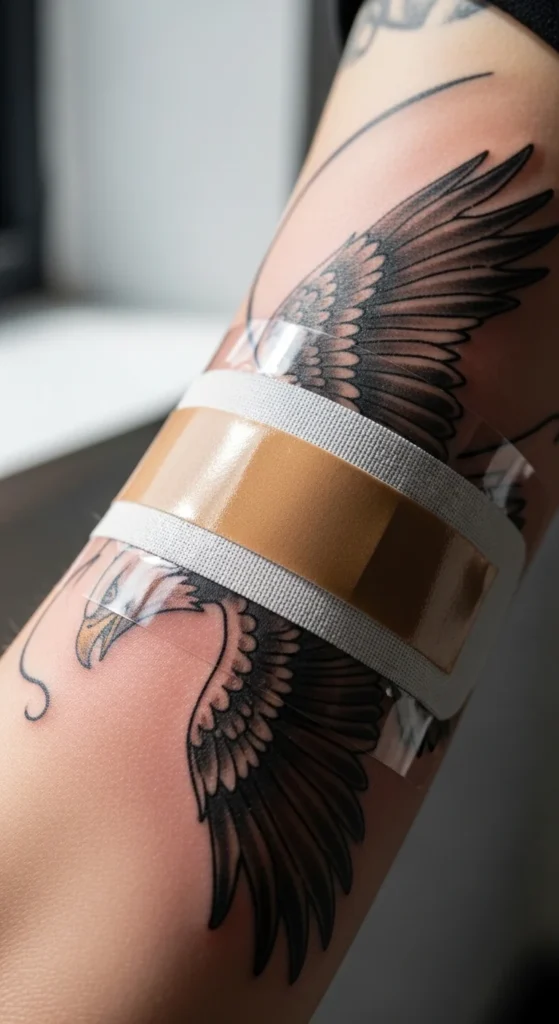
If you just got new ink—or you’re planning your next piece—follow these science-supported steps to keep your tattoo vibrant and heal as quickly as possible.
1. Start With the Right Technique: Moist Healing Wins
Dry healing used to be the gold standard, but research shows that keeping the tattoo lightly moisturized can speed healing by up to 40%.
Why moist wound care works:
- Keeps the skin flexible and less prone to cracking
- Promotes faster collagen production
- Reduces the severity of scabbing
- Minimizes itching and ink loss
What to do:
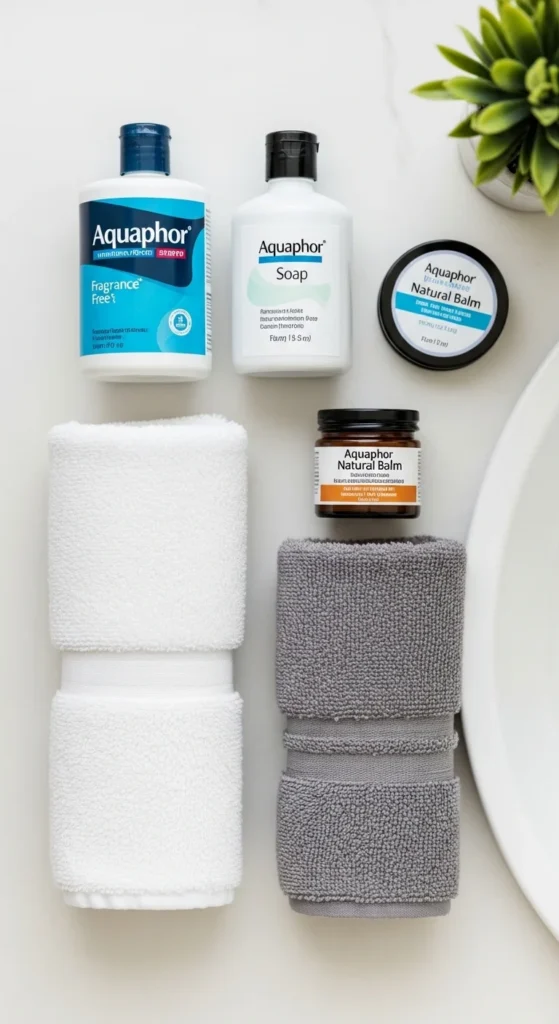
- After removing the bandage, wash gently with fragrance-free soap.
- Pat (don’t rub) dry.
- Apply a thin layer—and thin is key—of ointment like Aquaphor for days 1–3.
- Switch to a light, fragrance-free lotion after day 3.
2. Consider Second-Skin Bandages for a Head Start
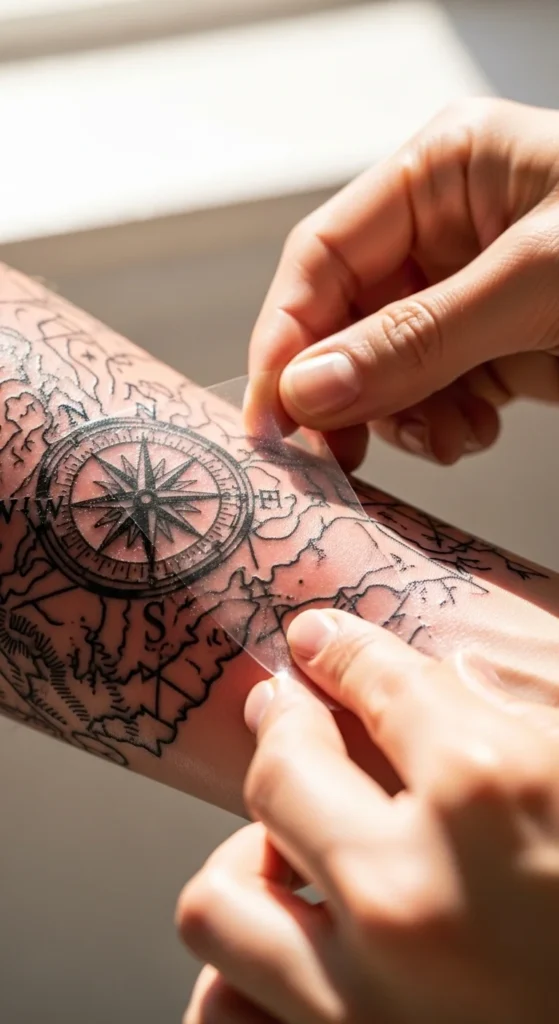
Second-skin film dressings like Tegaderm and Saniderm have become one of the most popular ways to jumpstart healing—with many artists reporting 30–40% faster recovery during the first week.
Benefits:
- Protects from bacteria
- Locks in the perfect level of moisture
- Prevents friction from clothing
- Great for large pieces or high-movement areas
How to use:
- Leave the first film on for 24 hours.
- Replace with a fresh piece and keep it on 3–5 days depending on your artist’s guidance.
3. Wash Smart: Twice Daily, Fragrance-Free, Gentle
Overwashing irritates. Underwashing risks infection. Hitting the middle ground is the sweet spot.
Your washing routine:
- Use lukewarm—not hot—water
- Use only fragrance-free soap
- Wash morning and night
- Pat dry with a clean towel or let it air-dry
Pro Tip: Warm-to-cool showers are ideal. Avoid hot water blasting directly on your tattoo.
4. Master Your Moisturizing Routine (Without Overdoing It)
More lotion does not mean faster healing. In fact, too much moisturizer suffocates the tattoo and leads to breakouts, irritation, and delayed healing.
Follow the thin-layer rule:
- Apply a pea-sized amount
- Rub it in fully until there’s no shine
- Moisturize 2–3 times a day—no more
- Look for lotions that are fragrance-free, alcohol-free, and non-comedogenic
Signs you’re over-moisturizing:
- Sticky skin
- Excess shine
- Breakout-like bumps
- Cloudy or gooey scabs
5. Stop the Itch Without Scratching (Seriously, Don’t Pick!)
Every new tattoo hits the dreaded itchy scab phase. But scratching can remove ink, slow healing, and cause scars.
Instead of scratching:
- Tap lightly with your palm
- Moisturize lightly
- Use cool compresses
- Wear loose, breathable clothing

If your scabs are thick, sticky, or oozing, that’s a sign of over-moisturizing or irritation—adjust your routine.
6. Eat and Drink for Faster Skin Recovery
Internal care matters as much as the creams you use. Nutrients fuel collagen, reduce inflammation, and help the skin rebuild quickly.
Increase these healing boosters:
- Vitamin C (orange, kiwi, strawberries)
- Protein (chicken, eggs, fish, tofu)
- Omega-3s (salmon, walnuts, chia seeds)
- Hydration (8+ glasses daily)
- Probiotics (yogurt, kefir, kombucha)
Optional but trending:
- Curcumin supplements
- Quercetin-rich foods like apples and onions
These support inflammation control and collagen synthesis.
7. Protect the Tattoo from Sun, Sweat, and Water
Nothing slows healing like UV light and bacteria.
Avoid these for 2–3 weeks:
- Sun exposure
- Tanning beds
- Swimming pools
- Lakes or beaches
- Long, hot baths
- Heavy workouts that rub against the area
Once your tattoo is fully peeled and smooth, switch to a mineral SPF 30+ to prevent fading.
8. Adjust Your Routine Based on Tattoo Location
Different body parts heal differently. Examples:
- Back & chest: Slowest (friction + movement)
- Hands & feet: More exposure to bacteria
- Ribs & sides: Clothing rubs easily
- Small tattoos: Heal the fastest
Knowing this helps you plan your aftercare intensity.
9. Consider New Healing Tech (Optional, but Effective)
A growing number of studios now recommend:
- Red light therapy (reduces inflammation)
- Humidifiers (prevent dry skin and cracking)
These are optional but can help people with naturally dry skin or large tattoos.
Final Takeaway
Healing a tattoo faster isn’t about shortcuts—it’s about giving your skin what it needs: moisture, cleanliness, protection, and patience. Follow the steps above and your tattoo will stay vibrant, crisp, and smooth for years.
Save this guide for your next session—and share it with a friend who has fresh ink coming!