
A new tattoo feels exciting—fresh ink, bold lines, and the promise of art that becomes a part of you. But once you leave the studio, the real work begins: healing it properly. The better your aftercare, the more vibrant your tattoo will look for years to come.
If you want your tattoo to heal quickly and safely, this guide walks you through the steps that actually matter—no guesswork, no overcomplicated routines.
Keep It Clean Without Overwashing
For the first few days, your tattoo is essentially an open wound. Cleanliness is key, but gentle cleanliness is even more important.
How to Wash It Properly
- Use lukewarm water.
- Choose a fragrance-free, mild liquid cleanser.
- Wash with clean hands, not a washcloth or sponge.
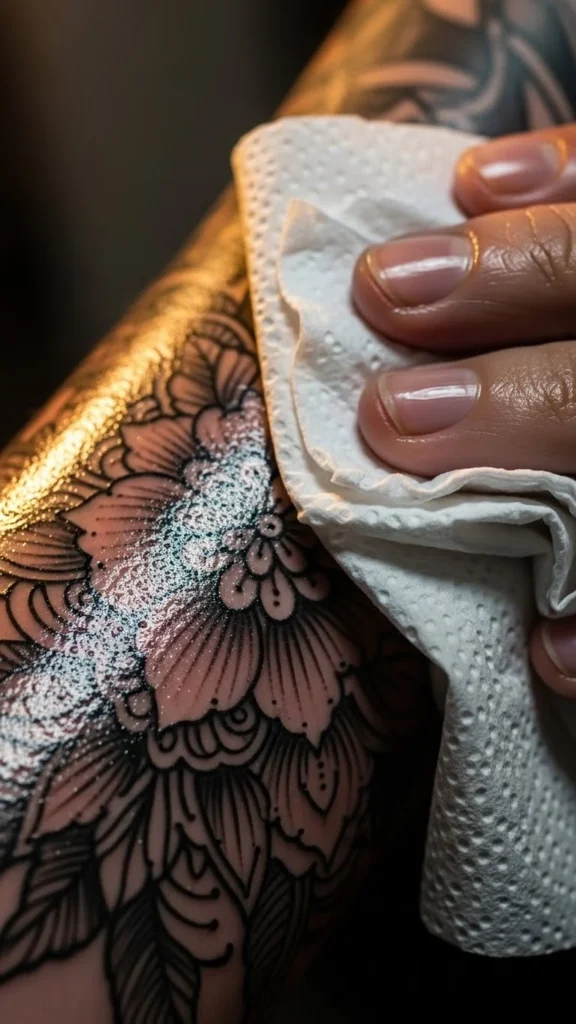
- Pat dry with a soft paper towel—never rub.
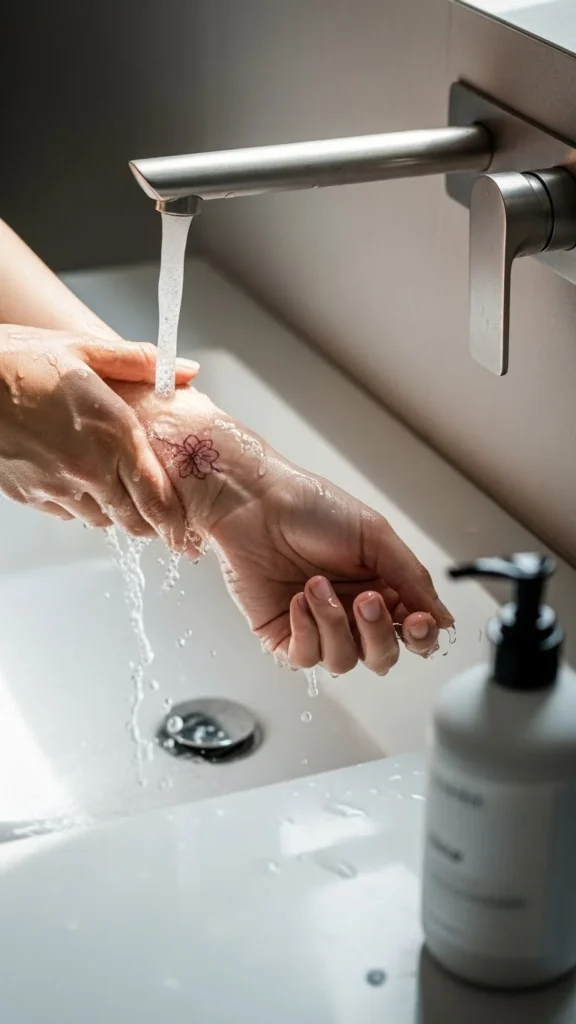
Pro Tip: Wash 2–3 times per day. More than that can irritate the skin and slow healing.
Moisturize Just Enough (Not Too Much!)
Moisturizing is crucial, but applying too much product can clog pores and trap moisture, leading to irritation.
What to Use
- A fragrance-free healing ointment or lightweight tattoo-safe lotion.
- Apply a tiny amount—think pea-sized for smaller pieces.
How Often
- 2–3 times a day is plenty.
- Stop using ointment after the first 3–5 days and switch to a light lotion.
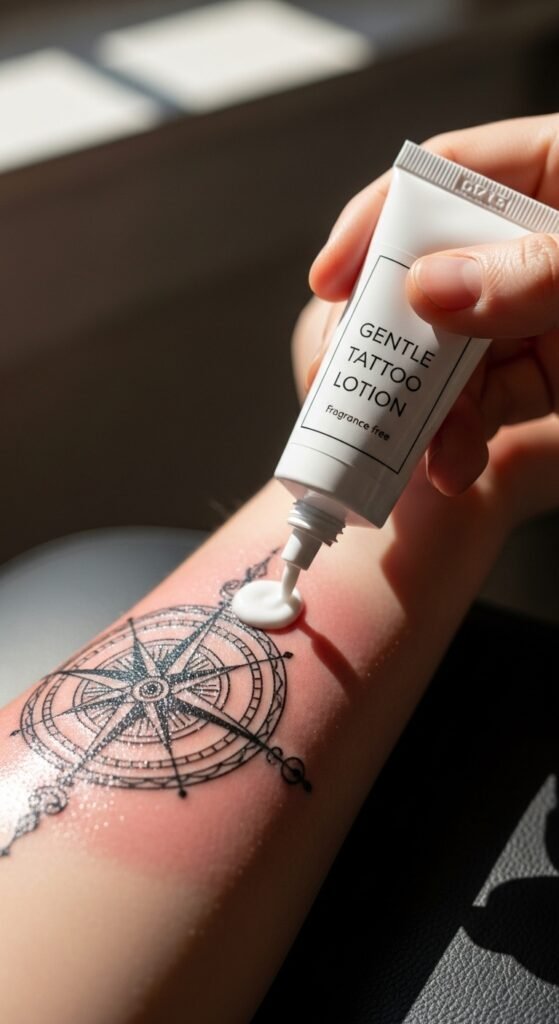
Warning: If the tattoo looks shiny or gooey, you’re using too much.
Protect Your Tattoo From Friction and Sun
Fresh tattoos and friction are not friends. Whether it’s clothing, bedsheets, or your daily routine, reducing irritation will help your tattoo heal smoother and faster.
Avoid Tight Clothing
- Choose soft, loose fabrics.
- Avoid anything that clings or rubs against your tattoo.
Keep It Out of the Sun
Sun exposure can fade fresh ink before it even heals. Keep it covered with clothing when outside.

Know What’s Normal (and What’s Not)
A healing tattoo goes through stages, and knowing what to expect will keep you calm and confident through the process.
Normal Signs
- Light redness in the first 48 hours
- Oozing plasma or small amounts of ink
- Itching around days 3–7
- Peeling similar to a sunburn
Red Flags
- Severe swelling
- Pus or foul odor
- Intense heat radiating from the tattoo
- Worsening redness after day 3
If anything feels unusual or painful, reach out to your tattoo artist or a healthcare professional.
Let It Peel—Don’t Pick or Scratch
This is where many people accidentally slow down healing. The peeling stage can feel itchy and annoying, but resist the urge to touch it.
What Helps the Most
- Keep moisturizing lightly.
- Tap the itchy spot—don’t scratch it.
- Wear soft clothing to prevent snagging.
Picking scabs can remove ink and create patchy spots, so keep your hands off your tattoo as much as possible.
Avoid Soaking and Sweating Too Much
Water and excessive sweat can soften your tattoo, increasing the risk of irritation or infection.
Avoid For 2 Weeks
- Swimming pools
- Hot tubs
- Long baths
- Saunas
- Heavy workouts that cause intense sweating
Quick showers are fine—just no soaking.

Support Healing From the Inside Out
Your skin heals faster when your body feels good. Small lifestyle choices make a big difference:
- Drink plenty of water throughout the day.
- Get full nights of sleep.
- Eat nutrient-rich foods that support skin repair (think leafy greens, berries, citrus, fish, eggs, almonds).
- Avoid anything that dries out your skin.
Healthy skin = quicker, smoother healing.
Be Patient—Fast Healing Still Takes Time
Even with perfect care, tattoos need about 2–4 weeks to fully heal on the surface, and several more for deeper layers. Rushing the process or skipping steps can affect how your ink looks long-term.
Consistency beats intensity—simple, daily care makes the biggest difference.
Final Takeaway
A beautifully healed tattoo starts with mindful aftercare. Keep it clean, moisturized, protected, and untouched—and give your skin the calm environment it needs.