
You can want a tattoo so badly… and still dread the pain part. Totally normal. The good news? Tattoo pain isn’t a fixed “you either handle it or you don’t” situation. A few smart choices—before, during, and after your appointment—can make a noticeable difference in how it feels.
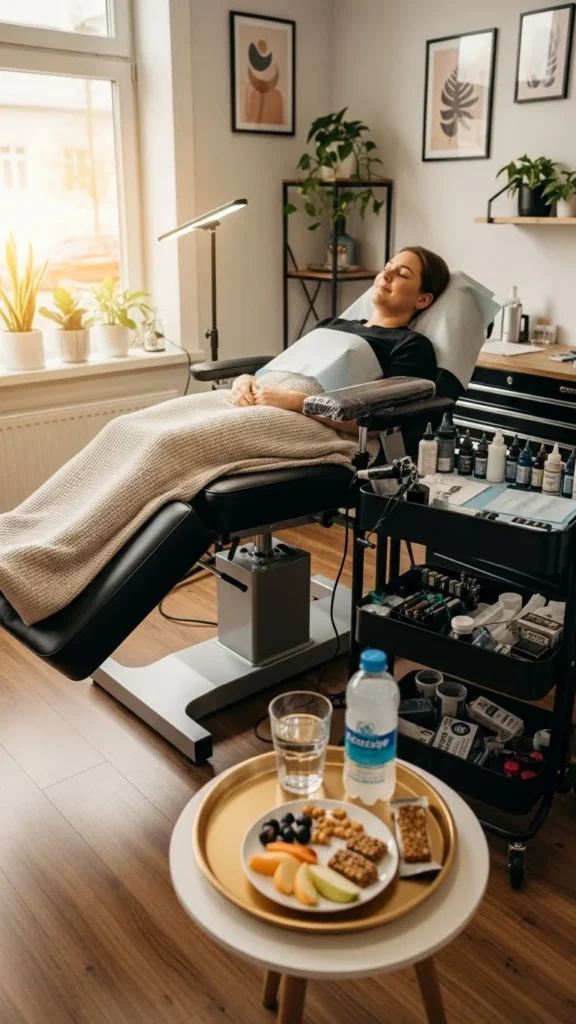
Understand What Actually Makes Tattoos Hurt More
Pain isn’t just about the needle. It’s also about your body’s “stress + sensitivity” level that day. These factors often make sessions feel worse:
- Low blood sugar (you’ll feel shakier and more sensitive)
- Dehydration (skin can feel tighter, and you may feel faint)
- Poor sleep (your pain tolerance drops fast)
- High anxiety (tense muscles = more discomfort)
- Long sessions without breaks (your nervous system gets worn down)
Quick mindset shift: your goal isn’t “feel nothing.” It’s “stay calm and steady,” so each pass feels manageable.
Prep the Day Before So You’re Not Fighting Your Body
Your best pain control starts before you walk into the studio.
Here’s a simple night-before checklist:
- Get real sleep: aim for 7–9 hours if you can.
- Hydrate early: drink water throughout the day, not just right before bed.
- Eat a balanced dinner: think protein + carbs (like rice, potatoes, pasta, or bread) + veggies.
- Avoid intense workouts: sore muscles can make certain placements feel rougher.
- Plan comfortable clothing: loose, breathable, and easy access to the tattoo area.
If you’re prone to nerves, set yourself up with small comforts:
- Download a podcast playlist
- Charge headphones
- Bring a light layer (studios can be chilly)
Eat Smart and Time Your Snacks for Steady Energy
Showing up hungry is one of the fastest ways to make a tattoo feel more intense.
Try this approach:
- 1–2 hours before: a solid meal (protein + carbs)
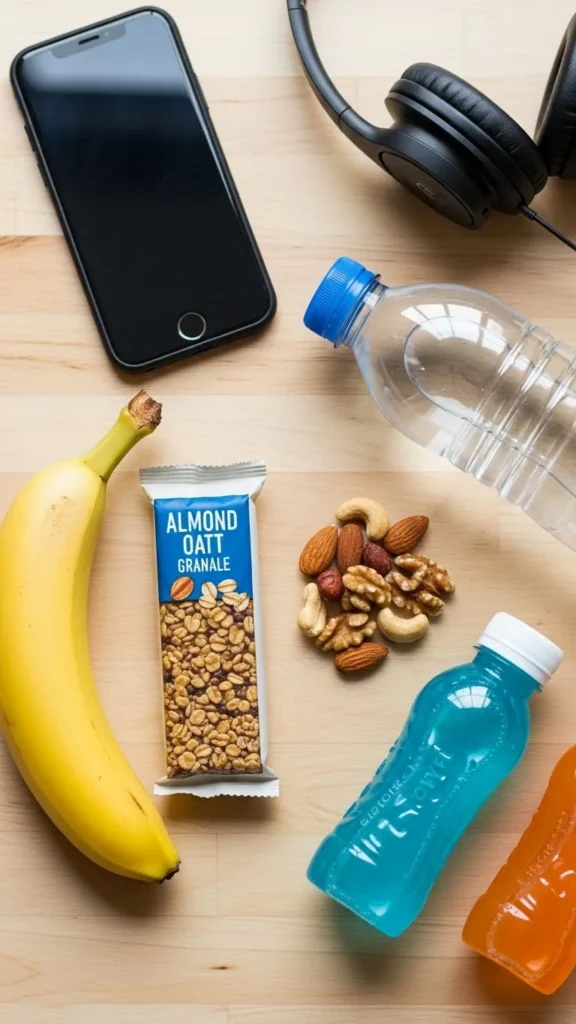
- Right before: something small if you need it (banana, granola bar, yogurt, dates)
- During: easy snacks that don’t make a mess (crackers, trail mix, fruit)
Bring water too. Sipping steadily beats chugging.
Use Simple In-Session Tricks That Actually Help
Once you’re in the chair, your job is to keep your body relaxed and predictable.
Breathe like you mean it
When pain spikes, most people hold their breath without realizing it. Try:
- Inhale for 4 seconds
- Exhale for 6–8 seconds
Longer exhales tell your nervous system, “We’re safe,” which helps your body unclench.
Relax the tattoo-side muscles
If you tense the area being tattooed, the sensation can feel sharper. Think:
- “Heavy shoulders”
- “Loose jaw”
- “Unclenched hands”
A weird but effective tip: wiggle your toes when you feel yourself tensing. It breaks the freeze response.
Use distraction on purpose
Pick one:
- Podcasts (best for steady distraction)
- A calm playlist
- A comfort show (if your artist allows it)
- Chatting (if it helps you stay relaxed)
Pro move: avoid super emotional content. You want “easy background brain,” not stress.
Ask Your Artist About Numbing Options (The Right Way)
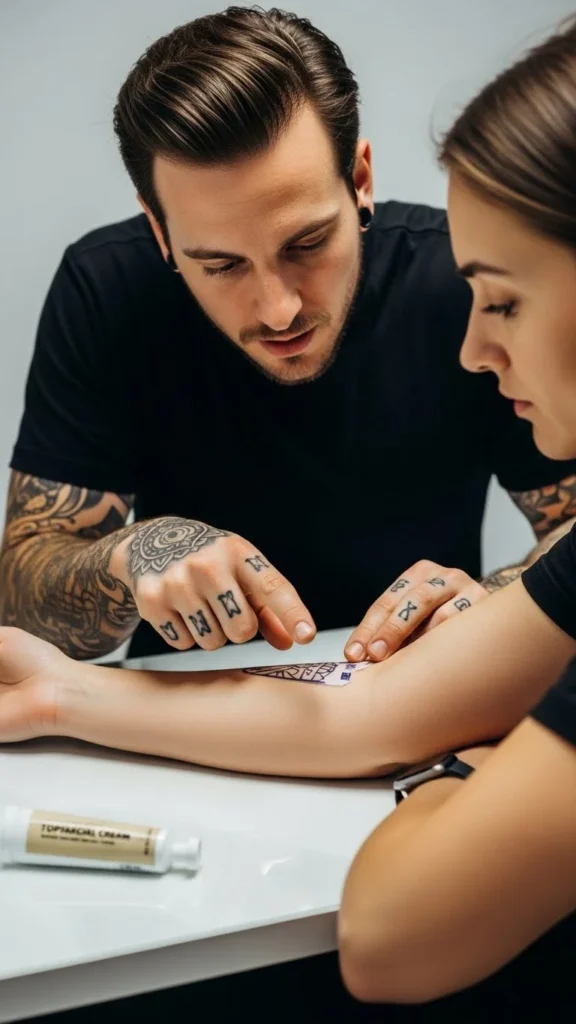
Some studios are fine with numbing products, some prefer not to use them, and some have very specific guidelines. The key is asking ahead of time, not showing up with something random.
If they say it’s okay, here’s how to handle it smartly:
- Use only reputable, skin-safe numbing products
- Follow instructions carefully (timing matters)
- Tell your artist exactly what you used and when
Important: don’t apply anything to broken skin unless your artist specifically instructs you to. When in doubt, keep it simple and follow studio policy.
Choose Pain-Friendlier Placement (If You Have Flexibility)
If you’re still deciding placement, this is your cheat code. Areas with more muscle or padding tend to feel easier than bony or super sensitive zones.
Often easier spots:
- Outer upper arm
- Forearm (varies, but usually manageable)
- Thigh (outer)
- Calf (depends on person, often moderate)
Often spicier spots:
- Ribs
- Sternum
- Hands/fingers
- Feet/ankles
- Inner upper arm
- Spine and bony areas
If you love a spicy placement, consider:
- Smaller design first
- Shorter session
- More breaks
Breaks, Positioning, and Communication: Your Secret Weapons
You don’t get bonus points for suffering silently. A great artist wants you to have a steady experience.
Try these:
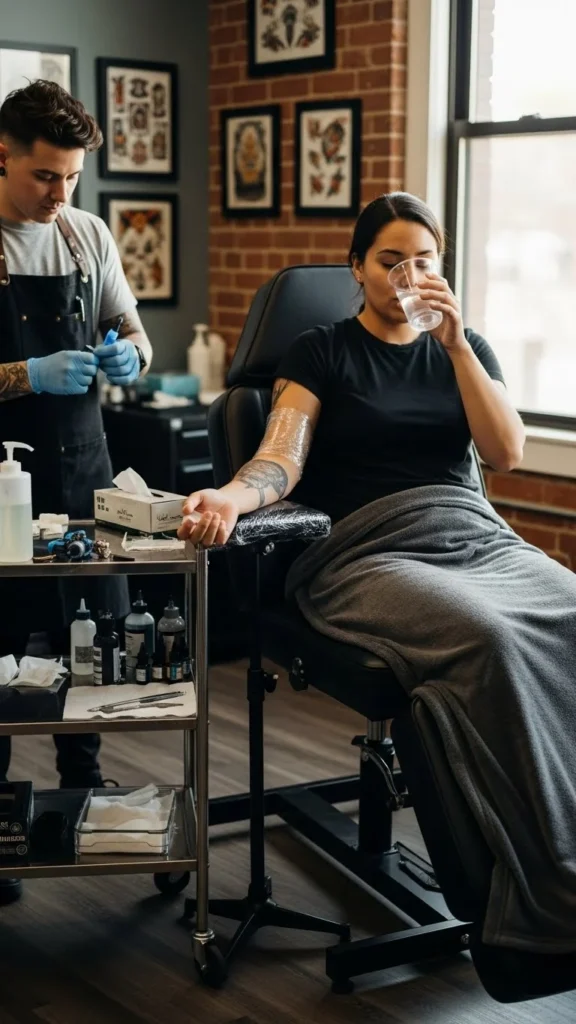
- Ask for a quick break when you need it (even 60 seconds helps)
- Adjust your position if you’re straining—muscle fatigue increases pain
- Speak up early if you feel lightheaded or nauseous
Also: if you’re shivering, sweating, or suddenly feeling “off,” that can be your body’s stress response. A short pause + water + snack can reset everything.
Takeaway: Make It Easier, Not Harder
Tattoo pain is real—but it’s also manageable when you prep well, stay fueled, breathe through the tough moments, and communicate. You don’t need to be “tough.” You just need a plan.